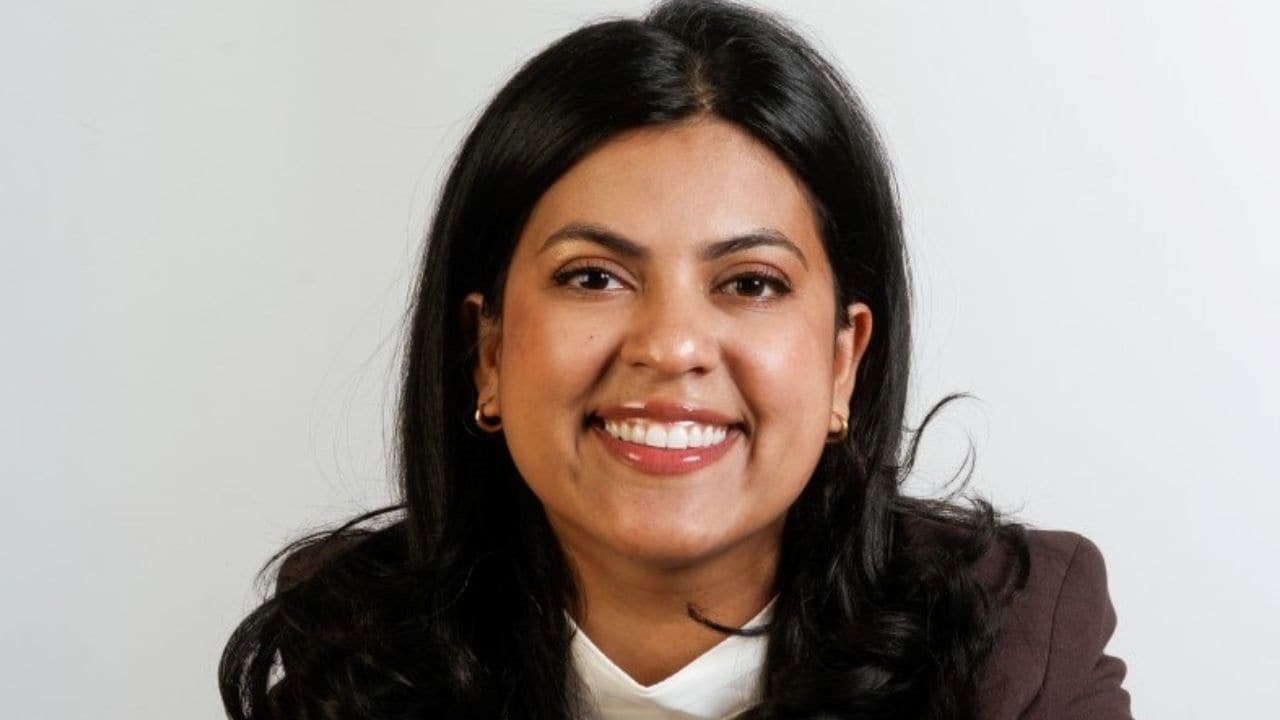
The media is currently swooning over Rini Sampath. She is 31. She is Tamil Nadu-born. She is the first South Asian candidate on the DC mayoral ballot. She is the "outsider" who wants to "fix the basics." It is a narrative so predictable it feels like it was written by a focus group in 2008.
While the press focuses on her biography and her ability to gather 4,500 signatures in a month, they are missing the glaring reality: running a city on a platform of "potholes and 911 wait times" is the political equivalent of a CEO promising to make sure the office printers work. It sounds nice to the frustrated person standing by the copier, but it is a catastrophic failure of vision for a city facing an existential crisis.
The Myth of the Outsider Efficiency
Sampath’s pitch relies on a tired trope: that being a government contractor and a former student body president gives you a "practical" edge over the "insiders." This is the Outsider Delusion.
Washington DC is a $20 billion municipal beast. Managing it is not about "not owing special interests"; it is about navigating a Byzantine web of federal oversight, a hostile Congress, and a hyper-local Council. I have seen countless "outsiders" enter high-stakes administration thinking they can disrupt the system with a "lean, people-powered" approach, only to be devoured by the very bureaucracy they failed to study.
The "insiders" in this race—Janeese Lewis George and Kenyan McDuffie—understand a truth Sampath ignores: DC’s problems aren't just about "execution." They are about power. You do not fix the 911 call center by being "relentlessly focused" on it. You fix it by winning a brutal war for talent and funding against a dozen other agencies that are also "basic."
The Basics are a Trap
"Fix the Basics" is a seductive slogan. It targets the immediate pain points:
- Emergency response times: Currently lagging far behind national standards.
- Infrastructure: Potholes and the perennial wastewater spills in the Potomac.
- Cost of Living: A city where a modest rowhouse costs $800,000.
But here is the nuance the competitors missed: The "basics" are the floor, not the ceiling.
When a candidate makes the "basics" their entire platform, they are admitting they have no strategy for the "complex." DC is currently hemorrhaging its tax base. Post-pandemic remote work has gutted the commercial real estate market, which historically provided nearly 25% of the city's tax revenue. If the office buildings stay empty, there is no money for the potholes. There is no money for the 911 operators.
Focusing on the 911 wait time while the tax base evaporates is like obsessing over the thread count of the napkins on the Titanic.
The South Asian Representation Distraction
The headlines are obsessed with Sampath being the first South Asian on the ballot. It’s a milestone, sure. But in a city that is 45% Black and has a deeply entrenched history of Home Rule struggles, "representation" is a multi-dimensional chess game, not a box-ticking exercise.
Identity politics in DC is a blood sport. Sampath is positioning herself as the voice of the "new DC," but that "new DC" is often synonymous with gentrification, displacement, and the dilution of the "Chocolate City" legacy. By leaning into her "outsider" status and her biography, she risks alienating the very voters who actually show up at the polls in Wards 7 and 8. You don't win the District by being a "global Indian" success story; you win it by proving you won't let the legacy residents get priced out of their own neighborhoods.
Imagine the "Execution" Scenario
Imagine a scenario where Sampath actually wins. She enters the John A. Wilson Building on day one. She has no legislative allies. She has no history with the labor unions. She wants to "cut what's unfair" and "invest in making DC work."
Within six months, the Council—led by veterans who know every line item in the budget—will have her "lean" campaign promises tied in knots. Governance is not a government contract where you fulfill a Statement of Work. It is a continuous negotiation.
The Unconventional Truth
The real question voters should be asking is not "Who can fix the potholes?" but "Who has the political capital to reinvent the DC economy?"
The "lazy consensus" says we need a manager. The reality is we need a strategist who can handle a hostile Republican-led Congress (which still has ultimate authority over DC's laws) while preventing a total fiscal collapse.
Sampath says she doesn't "owe any special interest groups." In the world of DC politics, that usually means you don't have any friends when the federal government decides to take over your police department or your budget. Being "unbought" is only a virtue if you are also "unbreakable."
If you want the trash picked up on time, hire a better DPW director. If you want a city that still exists in ten years, look past the "outsider" polish.
DC doesn't need an outsider to "fix the basics." It needs a heavyweight who can survive the complexities that "outsiders" aren't even talking about.
Don't vote for a repairman when the house is on fire.