The ticker tape doesn't bleed, but it feels like it should.
In a glass-walled office sixty stories above Manhattan, a trader named Elias watches a single number flicker on his monitor. US$110. It is a clean, round figure, but it carries the weight of a thousand shuttered factories and a million cold homes. For months, the energy markets had been a simmering pot. Now, someone has turned the burner to high. For a different perspective, see: this related article.
Across the globe, in the quiet corridors of the West Wing and the high-walled compounds of Tehran, a different kind of math is being done. It isn’t about profit margins. It is about pride, geography, and the volatile physics of escalation. When the former President vowed more strikes against Iran, he wasn’t just issuing a press release. He was lighting a match in a room filled with gasoline vapor.
The reaction was instantaneous. Crude oil didn't just climb; it vaulted. Further insight on this matter has been provided by Forbes.
The Ghost in the Machine
We often speak of "the market" as if it is a sentient beast, a logical entity that weighs data and spits out truth. It isn't. The market is a collection of nervous systems. It is the collective anxiety of thousands of people like Elias, trying to guess what happens when the world’s most powerful military locks horns with its most stubborn adversary.
When oil clears the $110 mark, it sends a shiver through the global nervous system. This isn't just about the price of a gallon of gas at a station in suburban Ohio, though that is the most visible symptom. It is about the cost of the plastic in your toothbrush, the fertilizer for the wheat in your bread, and the jet fuel that keeps the world’s supply chains from collapsing.
Think of it as a tax on existence.
Every time a geopolitical headline flashes "retaliation," the tax goes up. The money doesn't go to schools or roads. It vanishes into the friction of uncertainty. On this particular Tuesday, that friction became an inferno. Wall Street, which had been nursing hopes of a "soft landing"—that mythical state where inflation dies without killing the economy—saw those hopes evaporate. The Dow Jones Industrial Average didn't just dip. It buckled.
The Geography of Fear
To understand why a few words about Iran can erase billions of dollars in equity value in an afternoon, you have to look at the map.
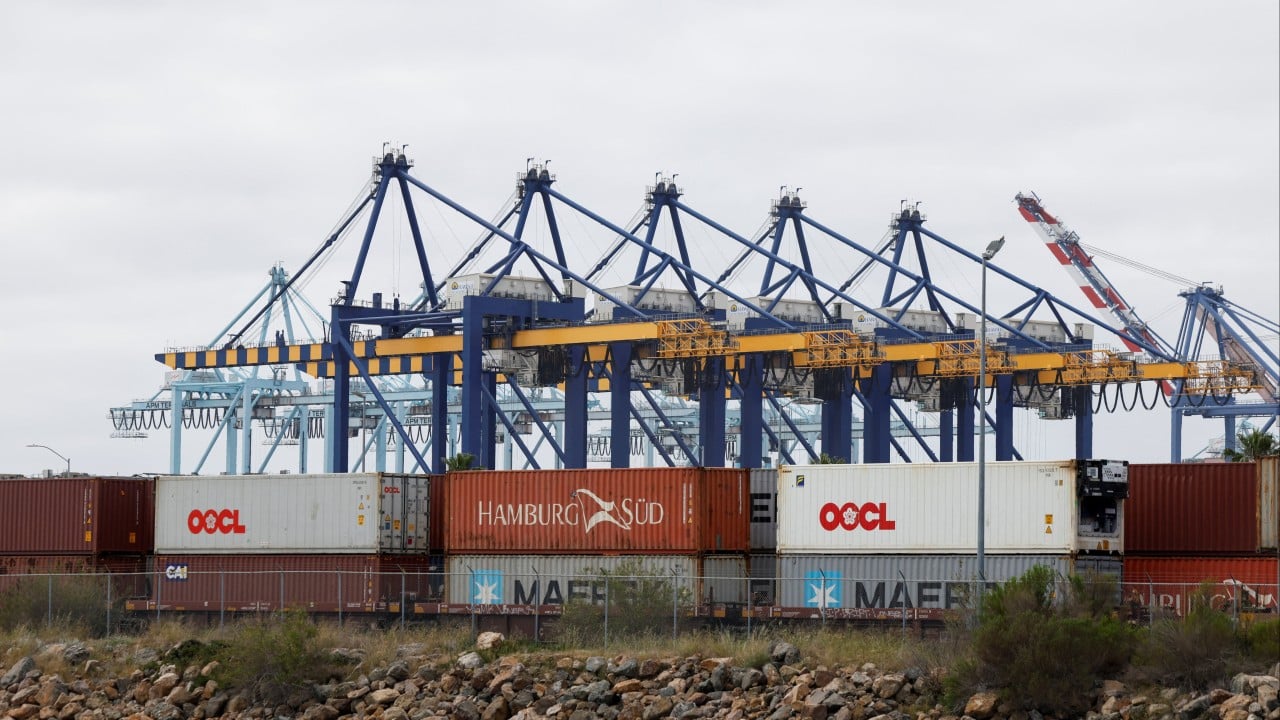
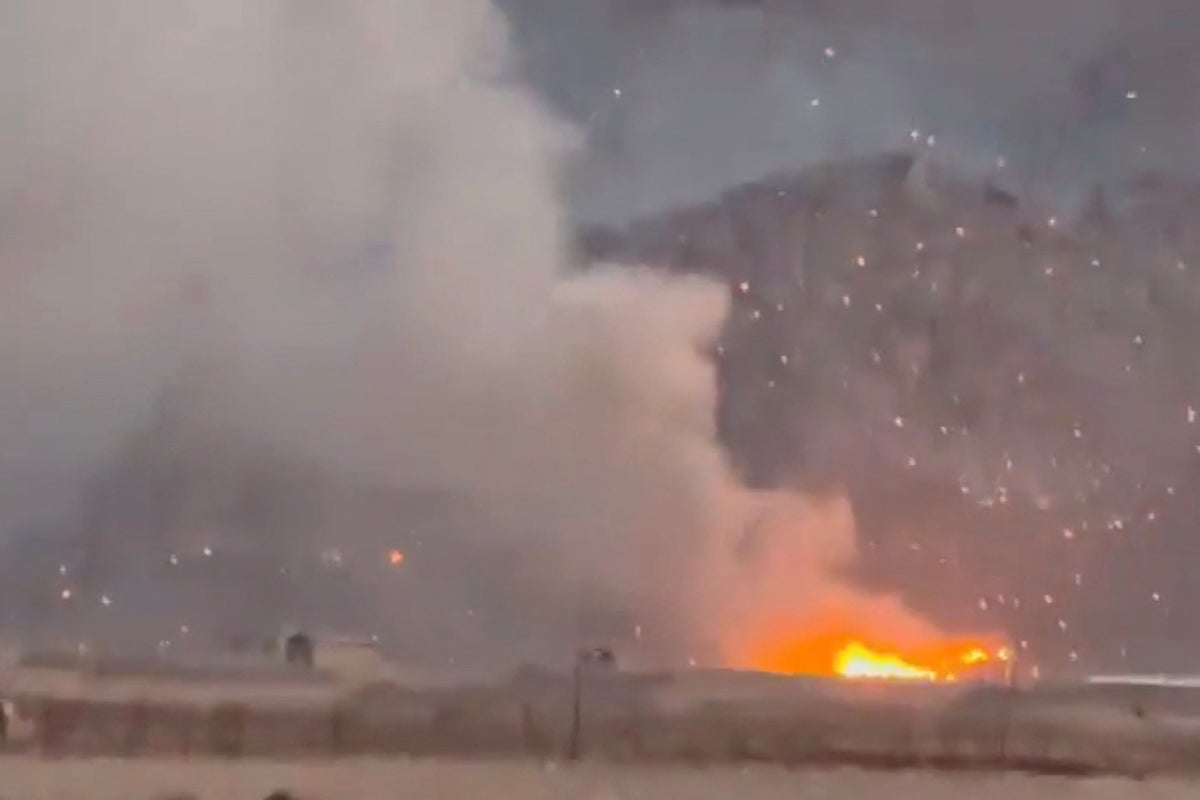
The Strait of Hormuz is a narrow stretch of water. It is a throat. Through this throat passes a massive portion of the world's daily oil supply. If the conflict escalates from rhetoric to kinetic action—if missiles fly and tankers burn—that throat closes. The world begins to choke.
Metaphorically speaking, we are all living in a house where the fuse box is located in someone else’s basement. A basement where people are currently throwing rocks at each other.
For the average investor, this feels like betrayal. You do everything right. You diversify. You buy index funds. You trust the long-term growth of American innovation. Then, a single geopolitical flare-up renders your quarterly gains meaningless. The red numbers on the screen are a reminder that for all our digital sophistication, we are still a civilization that runs on prehistoric sludge pulled from the ground.
The Human Toll of a Decimal Point
Let’s move away from the trading floors for a moment.
Consider a hypothetical logistics manager named Sarah in Des Moines. She oversees a fleet of fifty trucks. When oil was at $80, her margins were thin but manageable. At $110, her business model starts to disintegrate. She has to tell her drivers that there won’t be bonuses this year. She has to tell her clients that shipping rates are going up 15 percent.
Those clients, in turn, raise their prices. The grocery store raises the price of milk. The construction firm raises the price of a new home. This is how a "geopolitical event" becomes a kitchen-table crisis.
The fall of Wall Street is often reported with a sense of detached clinical observation. "The S&P 500 fell 2.1 percent on news of Middle East tensions." It sounds so clean. It hides the reality of 401(k)s shrinking just as someone is about to retire. It masks the fear of a small business owner who realizes their credit line is about to get a lot more expensive because the Federal Reserve might have to keep interest rates high to fight the inflation oil is currently fueling.
The irony is bitter. To stop the rising prices, we need stability. To get stability, we need cooler heads. But the current political climate is a heat-seeking missile.
The Fragility of the Narrative
For years, the story we told ourselves was one of energy independence. We were told that because of fracking and domestic production, we were insulated from the whims of the Persian Gulf.
We were wrong.
The price of oil is a global price. It doesn’t matter if the barrel was pumped in West Texas or the Rub' al Khali. If there is a threat to the global supply, the price goes up everywhere. We are tied to the same mast as everyone else. When the storm hits, we all get wet.
The recent vow for "more attacks" acted as a catalyst. It broke the fragile truce between supply and demand. Traders saw the rhetoric and didn't see a strategy; they saw a risk. And in the world of high finance, risk is the most expensive commodity of all.
Elias, our trader in Manhattan, isn't a bad person. He isn't rooting for war. But his job is to protect capital. When he sees the threat of a widened conflict, he sells. He moves money into "safe havens"—gold, treasury bonds, the cold embrace of cash. When thousands of Eliases do this simultaneously, the market doesn't just fall. It retreats.
This retreat is a vote of no confidence in the immediate future. It is a signal that the cost of doing business has just jumped because the world has become a more dangerous place to move goods.
The Invisible Stakes
Why does this feel different this time?
Perhaps because we are already exhausted. We are coming off years of supply chain shocks, a global pandemic, and a bruising inflationary cycle that has left the average consumer feeling hunted. The news of $110 oil isn't just a data point; it’s a weight on a tired back.
There is a psychological threshold that gets crossed when the headlines turn toward direct military confrontation between major powers. It shifts the focus from "how much will I earn?" to "will I be okay?" That shift is the death of bull markets.
The "human element" in a business story is usually relegated to the final paragraph, a brief mention of consumer sentiment. But consumer sentiment is the whole story. If people are afraid to spend because they think a war is coming or because their gas tank costs $80 to fill, the economy stops. The gears grind to a halt not because of a lack of money, but because of a lack of faith.
The current situation with Iran and the resulting oil spike is a masterclass in how interconnected our vulnerabilities are. We have built a world of incredible efficiency and terrifying fragility. We have optimized everything for a peaceful, predictable environment. When that environment turns hostile, the optimization works against us.
The Feedback Loop
As the sun sets over the Hudson River, Elias prepares to leave his office. His screen is a sea of crimson. He knows that tomorrow might be worse. If there is a retaliatory strike tonight, $110 will look like a bargain.
This is the feedback loop of fear. Politics drives the price of energy. The price of energy drives the cost of living. The cost of living drives political instability. Round and round it goes, a snake eating its own tail.
We like to think we are in control. We have algorithms that trade in microseconds. We have central banks with trillions of dollars at their disposal. We have "experts" who can explain away any dip in the charts. But all of that is a thin veneer. Beneath it, we are still at the mercy of old-fashioned things: the ego of leaders, the scarcity of resources, and the terrifying speed of a rumor.
The fall of Wall Street following the vow of more attacks isn't just a "market correction." It is a moment of clarity. It is the world looking at the price of conflict and realizing it cannot afford the bill.
The numbers on the screen will continue to flicker. They will go up, or they will go down. But the underlying reality remains. We are living in an era where a single sentence uttered in anger can rewrite the life of a truck driver in Iowa, a retiree in Florida, and a trader in New York.
The red sky at high noon wasn't a weather event. It was a warning. We are all tethered to the same barrel, drifting in a sea that is getting choppier by the hour.