The Middle East is currently a powderkeg with a very short fuse. Two weeks into this escalating conflict, the map of the war just shifted in ways that should make every global observer sit up and pay attention. We aren't just looking at a localized skirmish anymore. When a US military aircraft goes down in Iraq and the Israeli Prime Minister starts openly talking about the end of the Iranian regime, the stakes move from "tense" to "existential."
You've probably seen the headlines, but most of them miss the point. This isn't just about Day 14. It's about a fundamental breakdown of the old rules of engagement. If you think this is just a repeat of previous decades, you're looking at the wrong data points.
The Iraq Crash and the Proxy War Reality
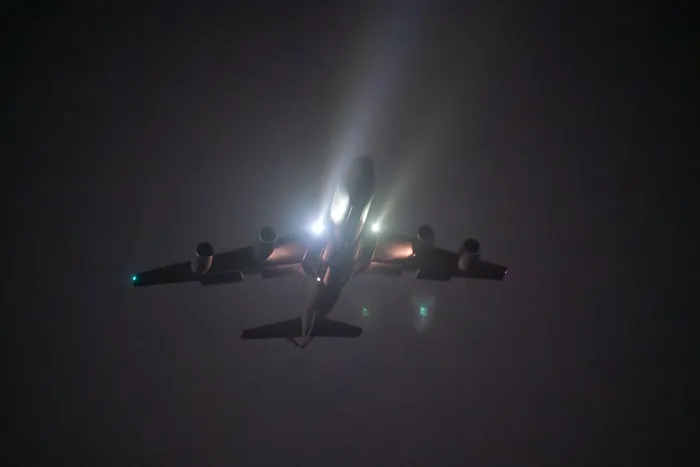
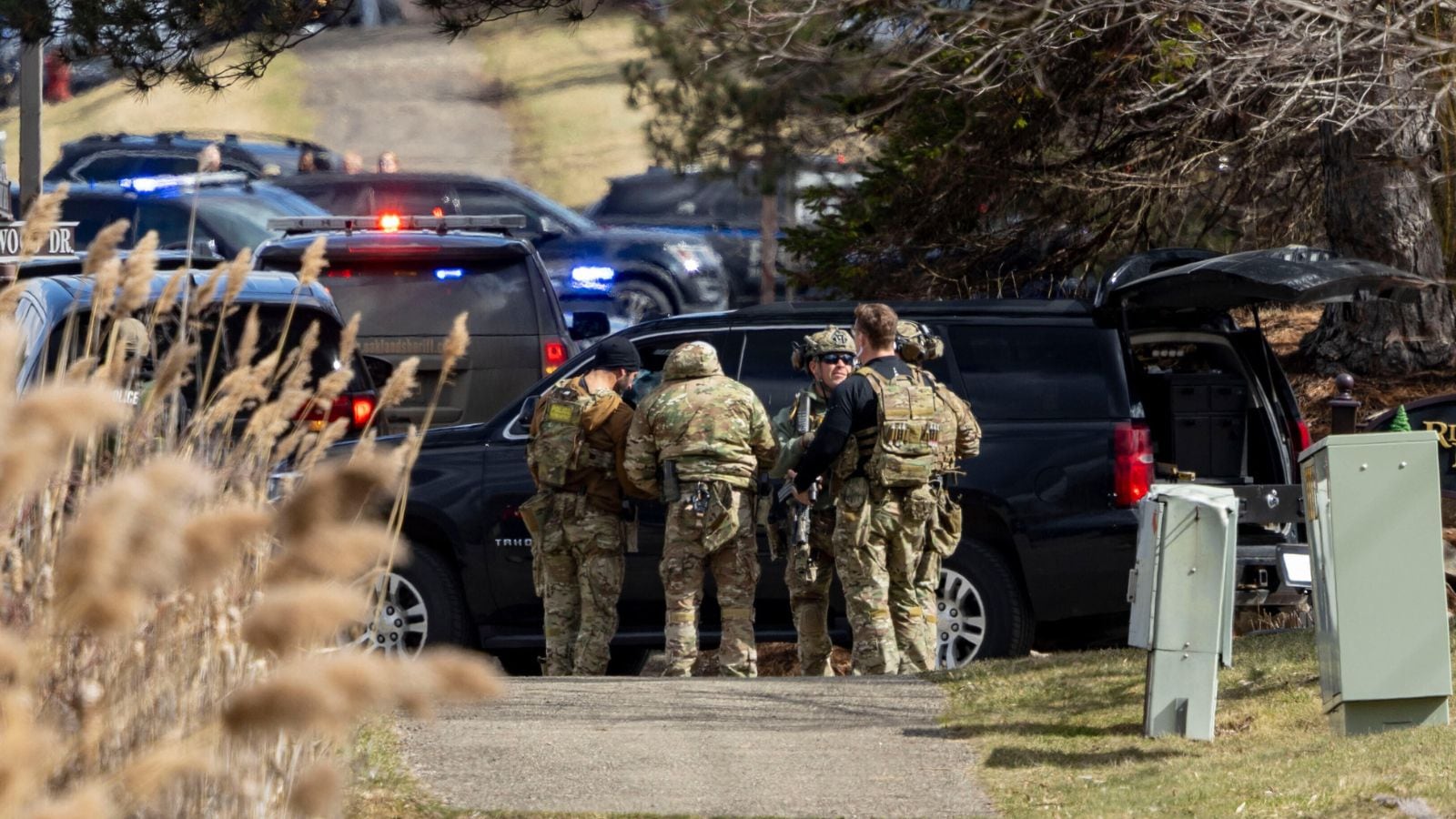
Let’s talk about that US aircraft in Iraq. Official reports are still filtering through the usual bureaucratic channels, but the timing is suspicious at best. For years, US forces in Iraq and Syria have lived under a "gray zone" threat—a constant hum of low-level drone strikes and rocket fire from various militias. This crash changes the math.
Whether it was a mechanical failure or something more sinister doesn't actually matter as much as the perception. In a region where optics are currency, a downed American asset is a signal to every proxy group from Baghdad to Beirut. It says the "big power" is vulnerable. US Central Command (CENTCOM) maintains a massive footprint, but that footprint is getting harder to defend.
I've watched these cycles for years. Usually, there's a back-and-forth that stays within certain unwritten boundaries. Those boundaries are gone. When an aircraft goes down during a period of peak tension, the immediate result is an increase in "force protection" measures. That sounds like boring military jargon. What it really means is that US troops are now hunkered down, focused on survival rather than stabilization. This creates a vacuum.
Nature—and Middle Eastern politics—abhors a vacuum.
Netanyahu and the Tehran Endgame
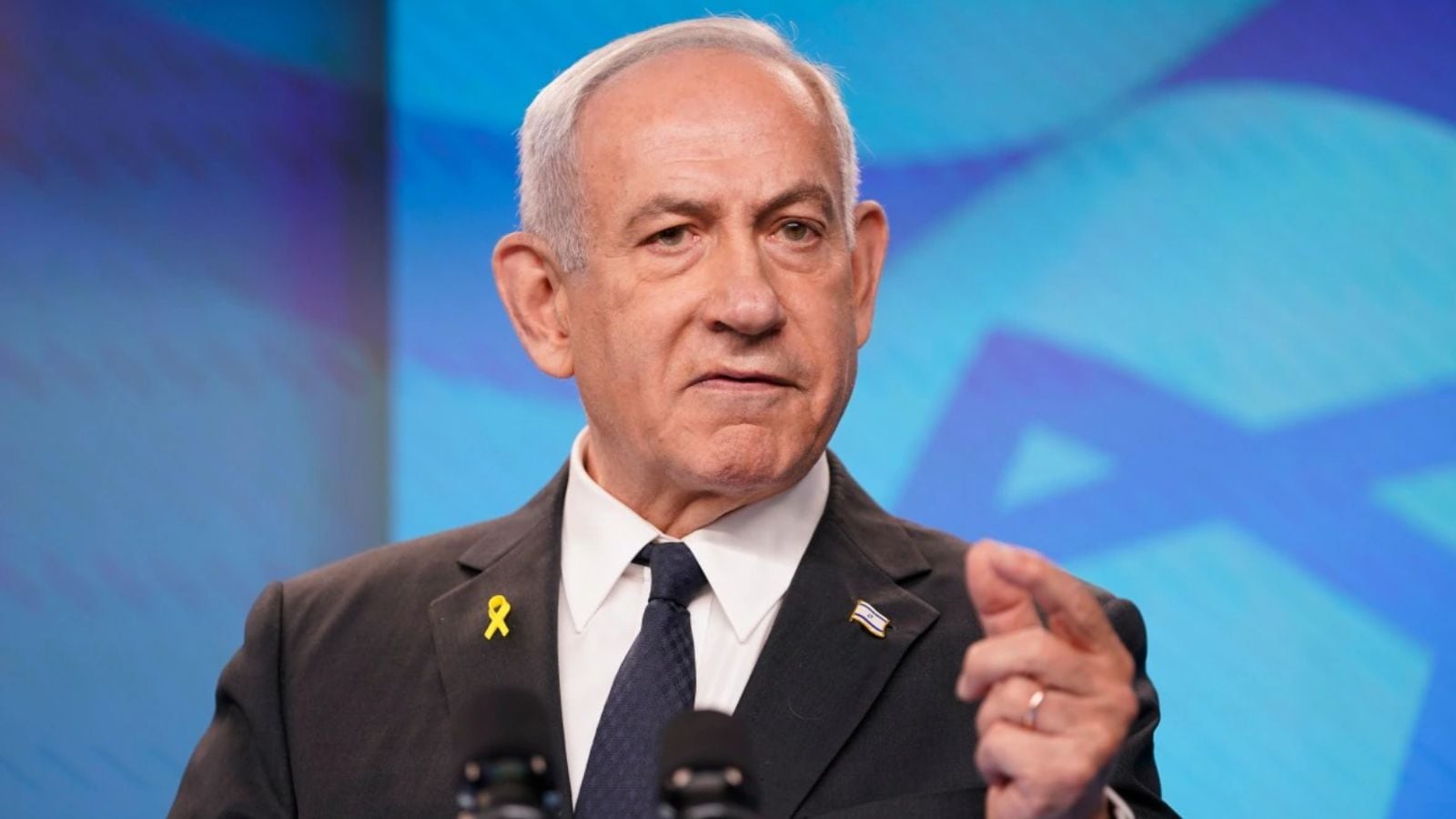
While the wreckage was still being accounted for in Iraq, Benjamin Netanyahu dropped a rhetorical bomb. He didn't just criticize Iran; he spoke directly to the Iranian people about a future without their current government. This is a massive departure from standard diplomatic "de-escalation" talk.
Most leaders try to lower the temperature. Netanyahu just poured gasoline on the floor.
By framing the conflict as a struggle against the "axis of evil" led by Tehran, Israel is signaling that they are no longer interested in just "mowing the grass"—their old term for temporary fixes. They're looking at the root. But here is what most people get wrong: this isn't just about military strategy. It's about internal Israeli politics too. Netanyahu is under immense pressure at home. A bold, visionary stance against a regional arch-enemy is a classic way to shore up a domestic base that feels betrayed by security failures.
But don't mistake political convenience for a lack of intent. Israel's military is currently mobilized at a scale we haven't seen in fifty years. When a leader says a regime will fall, and they have the air force to back it up, you have to take them literally.
The Intelligence Gap
We have to be honest about one thing. The intelligence community didn't see the start of this coming, so why should we trust their predictions on how it ends? The "Day 14" milestone is significant because it's usually when international pressure forces a ceasefire. That isn't happening this time.
Instead, we see:
- Increased mobilization of the "Hezbollah factor" in the north.
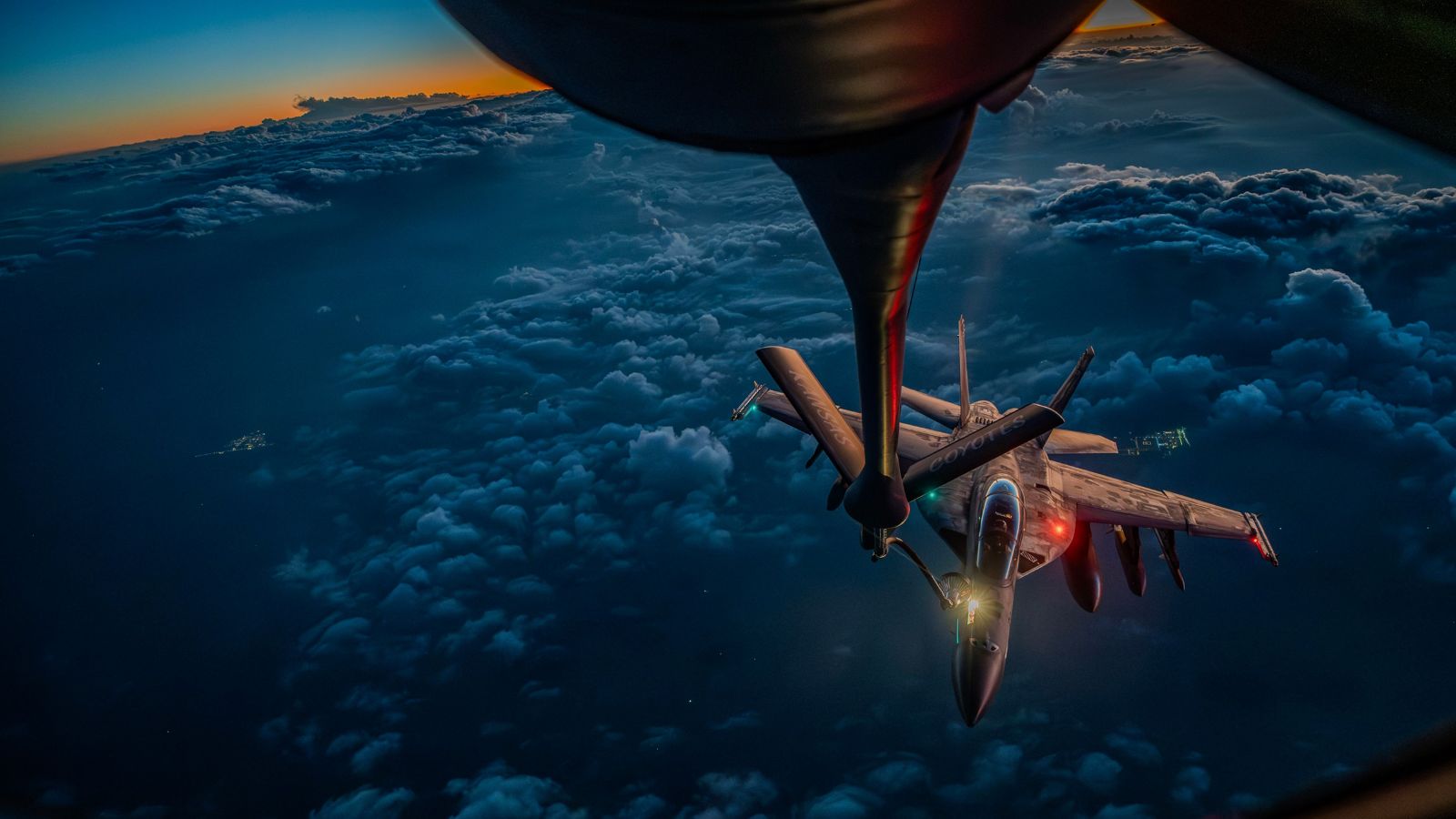
- US carrier strike groups moving into position like chess pieces.
- A total collapse of the Abraham Accords' momentum for the foreseeable future.
This isn't a "business as usual" war. It's a fundamental restructuring of the regional order.
The Economic Shrapnel
You can't talk about a Middle East war without talking about oil and shipping. But it's more than just the price at the pump. The real risk is the Strait of Hormuz. If the rhetoric from Netanyahu actually leads to a direct kinetic exchange with Iran, that waterway closes.
If that happens, global markets don't just "dip." They fracture. We saw what happened with supply chains during the pandemic. Now imagine that, but with the world’s energy supply. It’s a nightmare scenario that planners in Washington and Brussels are stayed up late worrying about.
The crash in Iraq is a micro-event that points to this macro-risk. It shows that the US is already "in it," even if the White House wants to claim we’re just providing support. You don't lose aircraft in a country where you aren't deeply involved in a high-stakes security operation.
Why This Matters to You Right Now
It's easy to look at a map of Iraq or Gaza and feel like it's a world away. It isn't. The "Day 14" developments show a shift toward a multi-front war. If you're a business owner, an investor, or just someone trying to make sense of the news, you need to understand that the "containment" phase of this conflict has failed.
The US presence in the region is now a target, not just a deterrent. That's a huge shift. For twenty years, the US was the one taking the initiative. Now, it's reacting. That's a dangerous position for a superpower.
Immediate Realities to Watch
- The Northern Front: Keep your eyes on the border with Lebanon. If that opens up fully, the Iraq crash will look like a footnote.
- Cyber Warfare: Expect to see a massive uptick in state-sponsored digital attacks. This is the "invisible" front of the war that hits home the fastest.
- Domestic Unrest: This conflict is polarizing cities across the West. The social fabric is fraying in real-time.
Stop waiting for a "return to normal." That ship has sailed. The events of the last 24 hours—the crash, the rhetoric, the failed diplomacy—prove that we are in a new era of high-intensity regional conflict.
The most practical thing you can do is diversify your information sources and prepare for a long period of global instability. Watch the movements of the US 5th Fleet and the specific wording of Iranian state media. These are the real barometers. Don't get distracted by the noise; focus on the movement of hardware and the hardening of political stances. The situation is moving fast, and the old playbooks are being burned in real-time.