You’ve seen the headlines. A tiny, wind-swept island at the edge of the world needs a new tenant. It sounds like a dream from a glossy travel magazine or a low-budget indie movie about finding yourself. You imagine crisp mornings, a cozy fire, and the total absence of Slack notifications. But let’s get real for a second. Moving to a croft on Foula isn't a vacation. It’s a job. A hard, gritty, sometimes lonely job that requires a specific kind of person.
The call for a new tenant for a croft on Foula, often cited as the UK's most remote inhabited island, has sparked the usual internet frenzy. People sitting in cubicles in London or Birmingham are suddenly convinced they're secret sheep farmers. They aren't. Foula sits about 20 miles west of the Shetland mainland. It’s a place where the Atlantic Ocean and the North Sea collide with enough force to keep the ferry grounded for weeks at a time. If you can't fix a broken pipe or handle a lambing at 3:00 AM in a gale, this isn't the life for you.
Why Foula is Not Your Typical Country Escape
Most people confuse "remote" with "quiet." Foula is anything but quiet. Between the screaming of the Great Skuas—locally known as bonxies—and the relentless roar of the wind, the island has a constant soundtrack. It’s home to around 30 people. That’s it. There are no pubs, no supermarkets, and no hospitals. You’re looking at a community where everyone depends on everyone else.
The croft in question isn't just a house with a view. A croft is a small unit of land, traditionally held under unique Scottish legal tenure. It comes with responsibilities. You're expected to work the land. On Foula, that usually means sheep. The island is famous for its colorful, hardy native sheep that produce some of the finest wool in the world. Being a tenant means you’re a steward of a tradition that has survived for centuries against pretty brutal odds.
The physical isolation is the first thing that hits you. The ferry, the MV Brenda, is small and at the mercy of the "Roost," the turbulent waters between the island and the mainland. Then there’s the four-seater plane. If the clouds are too low, you aren't going anywhere. You have to be okay with being stuck. Truly stuck.
What Resourceful Actually Means in the Shetlands
The job advert uses the word "resourceful." In a city, that means you're good at Googling things or finding a workaround in Excel. On Foula, it means you can fix a generator when the power goes out in a blizzard. It means you know how to stretch a week’s worth of groceries into three weeks because the boat couldn't dock.
You need to be a jack-of-all-trades. You’re the plumber, the electrician, the vet, and the gardener. Most importantly, you need mental grit. The winters are long. Darkness settles in early, and the wind doesn't stop. It’s a beautiful, raw existence, but it’s taxing. The people who thrive on Foula are those who don't need constant external validation or entertainment. They find satisfaction in the work itself.
The Community Dynamic
When there are only 30 people, you don't get to choose your neighbors. You just have them. This creates a fascinating, tight-knit social structure. If your tractor breaks down, someone will help you. If you get sick, someone will check on you. But it also means your business is everyone’s business. There's no anonymity.
Living on a croft requires a deep respect for the local culture. Foula still follows the Julian calendar for certain celebrations, like Yule and New Year. They do things differently there. You aren't going in to "disrupt" the island or "bring it into the 21st century." You’re going in to fit into a puzzle that’s already complete.
The Financial Reality of Crofting
Don't expect to get rich. Crofting is rarely a primary income source these days. Most folks on the island have multiple "side hustles" before that was even a buzzword. Maybe you’re the postie, or you work for the council, or you run a small craft business online. High-speed internet exists, thankfully, so remote work is possible, but you have to balance that with the physical demands of the land.
The cost of living is weirdly skewed. Your rent might be low, but everything else is expensive. Every brick, every gallon of milk, and every liter of fuel has to be shipped in. You learn very quickly not to waste anything.
Wildlife as Neighbors
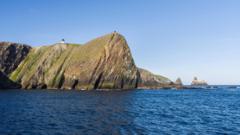
You’re sharing the island with some of the most impressive bird colonies in the North Atlantic. The cliffs at the Kame are the highest sheer sea cliffs in the UK, rising about 1,200 feet out of the water. Puffins, guillemots, and those aggressive bonxies are everywhere. It’s a naturalist’s paradise, but it also means nature is in charge. You don’t own the land so much as you're allowed to stay on it for a while.
Preparing for the Island Life
If you’re serious about this, stop looking at the pretty pictures and start reading about the Crofting Reform (Scotland) Act. Understand the legal obligations of a crofter. You have a duty to reside on or near the croft and to cultivate and maintain it. Neglect isn't an option. The Crofting Commission takes these duties seriously.
You should also spend time in Shetland during the winter. Everyone loves the islands in July when the sun barely sets and the grass is vibrant green. Go in January. Experience the "horizontal rain" and the 18 hours of darkness. If you still want to be there after a week of that, then maybe, just maybe, you've got the right temperament.
Practical Steps for Aspiring Crofters
- Research the Shetland Islands Council and the Foula community pages. Get a feel for the current issues, from transport links to school numbers.
- Look into the Scottish Crofting Federation. They offer training and advice for new entrants who don't have a background in agriculture.
- Assess your remote work options. Reliability is key. If your job requires 100% uptime for Zoom calls, the occasional satellite internet hiccup during a storm might be a dealbreaker.
- Brush up on basic mechanical and DIY skills. Take a course in small engine repair or basic carpentry. These aren't hobbies on Foula; they're survival skills.
Moving to the UK's remotest island is a radical life shift. It’s a rejection of the modern rat race in favor of a race against the elements. It’s rewarding, stunningly beautiful, and incredibly demanding. It’s not for everyone, and that’s exactly why it’s so special.
If you want to apply, don't lead with how much you love the view. Lead with how well you can handle a shovel and how you'll contribute to a community that's been standing firm against the North Atlantic for a thousand years.
Check the official Shetland Islands Council website for the latest on tenancy applications and local requirements. Reach out to the Crofting Commission to understand the specific regulations for the Foula estate. Prepare your CV to highlight practical, hands-on experience over corporate titles. If you get the chance to visit, do it without an itinerary and just talk to the locals at the pier. That's where you'll learn the real story.