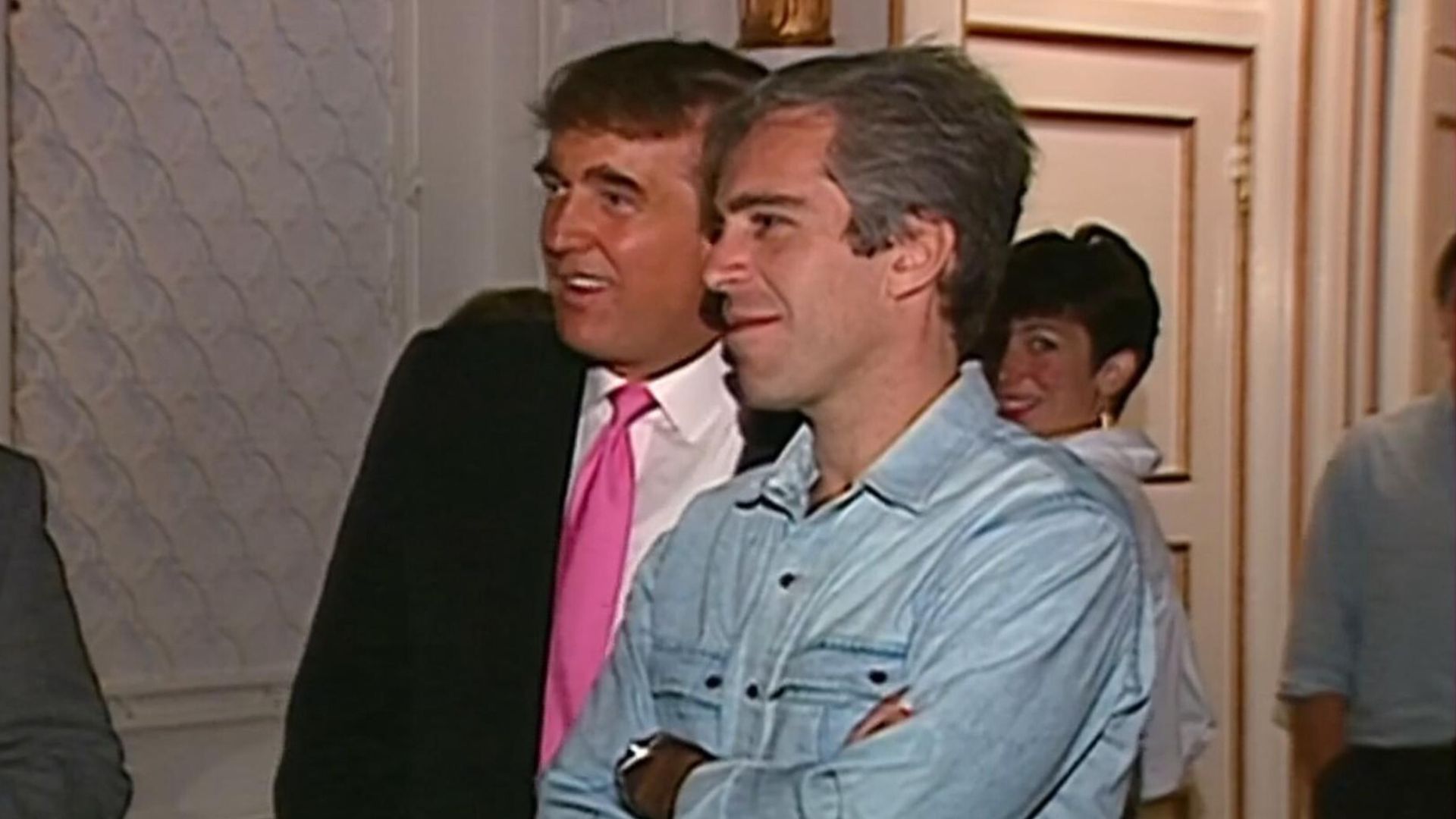
The Justice Department just dumped a massive pile of records onto the public, and if you're looking for a simple "gotcha" moment, you're going to be disappointed. These documents, released as part of the Epstein Files Transparency Act, contain over 3.5 million pages of raw data, interviews, and internal memos.
Among this mountain of paper are specific allegations involving President Donald Trump. While the headlines make it sound like a smoking gun has been found, the reality is far more messy. Most of what's been released consists of uncorroborated tips and decades-old claims that federal investigators previously set aside. Meanwhile, you can read related stories here: The Cold Truth About Russias Crumbling Power Grid.
Why the Justice Department Withheld These Pages
Earlier this week, a fresh batch of 1,000 pages hit the public database. This only happened after an NPR investigation pointed out that dozens of pages were missing from the earlier 2026 releases. The Justice Department originally claimed these documents were "incorrectly coded as duplicative."
That excuse didn't sit well with the House Oversight Committee. To explore the full picture, we recommend the detailed analysis by Reuters.
Both Democrats and Republicans have been breathing down the neck of Attorney General Pam Bondi, demanding to know why certain records were kept in the dark. The "missing" files weren't just boring legal paperwork. They included 16 pages covering FBI interview summaries with a woman who accused Trump of sexual abuse back in the early 1980s.
The Bite Incident Allegation
One of the most graphic details in the new files involves a claim from around 1983. A woman, who was 13 at the time, alleged that Jeffrey Epstein introduced her to Trump. According to the FBI summary, she claimed she was forced into a sexual act and, in her words, "bit the s*** out of it."
She alleged Trump struck her and demanded she be removed from the premises.
It's a heavy accusation. But there's a catch. The files don't show that the FBI ever verified this. They don't show any follow-up that proved the event happened. The Justice Department itself has warned that these raw files include "untrue and sensationalist claims" submitted by the public.
Flight Logs and the Reality of the 90s
We've heard about the "Lolita Express" for years. The newly released memos from federal prosecutors provide a more granular look at Trump’s travel on Epstein’s private jets.
Emails from January 2020 show that an Assistant U.S. Attorney flagged that Trump had flown on the jet "many more times than previously has been reported." Specifically, the records show at least eight flights between 1993 and 1996.
On some of these trips, Trump wasn't alone with Epstein. He was traveling with his then-wife Marla Maples or his children, Tiffany and Eric.
One flight in 1993 stands out because it lists only Epstein and Trump as passengers. Another flight included a 20-year-old woman whose name remains redacted. Does this prove a crime? No. But it proves that the two were much closer in the mid-90s than Trump's later "I wasn't a fan" narrative suggests.
The FBI Tips and the 2020 Election
There's a reason the White House is calling these files a "hoax."
A lot of these specific allegations against Trump were submitted to the FBI right before the 2020 election. The timing is suspicious to anyone with a pulse. Even the Department of Justice’s own press release stated that if these claims had a "shred of credibility," they would've been used as political weapons years ago.
White House Press Secretary Karoline Leavitt was blunt about it. She argued that the release actually "exonerates" Trump because it shows the Biden administration’s DOJ had these files for years and never brought charges. If they had the goods, they would've used them. They didn't.
What’s Still Missing?
Despite the recent "missing" pages being found, the count isn't at zero. About 37 pages are still unaccounted for in the public database. These include:
- Original notes from the FBI interviews.
- Specific law enforcement reports.
- License records that might verify locations or travel.
The House Oversight Committee isn't letting this go. They’ve already voted to subpoena officials to explain why the public is getting this information in piecemeal fashion.
The Fallout for Other High Profile Names
Trump isn't the only one in the crosshairs of this data dump. The 3.5 million pages touch on everyone from Prince Andrew to Elon Musk.
- Elon Musk: Emails show Epstein trying to arrange visits for Musk to his private island in 2012 and 2013. Musk says he declined and called Epstein a "creep."
- Howard Lutnick: The current Secretary of Commerce had plans to visit the island in 2012, though he later claimed he cut ties with Epstein in 2005.
- Prince Andrew: The files continue to corroborate the long-standing accusations regarding his conduct at Epstein’s properties.
How to Read the Files Yourself
If you want to dig through the raw data, you don't have to rely on news snippets. The Justice Department has a dedicated public database for the Epstein Files Transparency Act records.
Don't expect a clean list of "clients." It’s a chaotic mess of emails, flight manifests, and police reports. You’ll find everything from a photo of a fake Austrian passport Epstein used to bizarre "birthday books" filled with messages from world leaders.
The most important thing to remember is the difference between a "mention" and an "accusation." Thousands of people are mentioned in these files because they lived in Palm Beach or New York and moved in the same social circles. Being in the book doesn't mean you're in the "ring."
The best way to stay informed is to watch the House Oversight Committee hearings. They are the ones currently forcing the DOJ to explain the redactions. If you're looking for the next move, keep an eye on the 37 pages that are still missing. Those notes might be the only way to tell if the FBI actually believed the witnesses they interviewed or if they marked them as unreliable from the start.
The story isn't over. It's just getting more complicated.