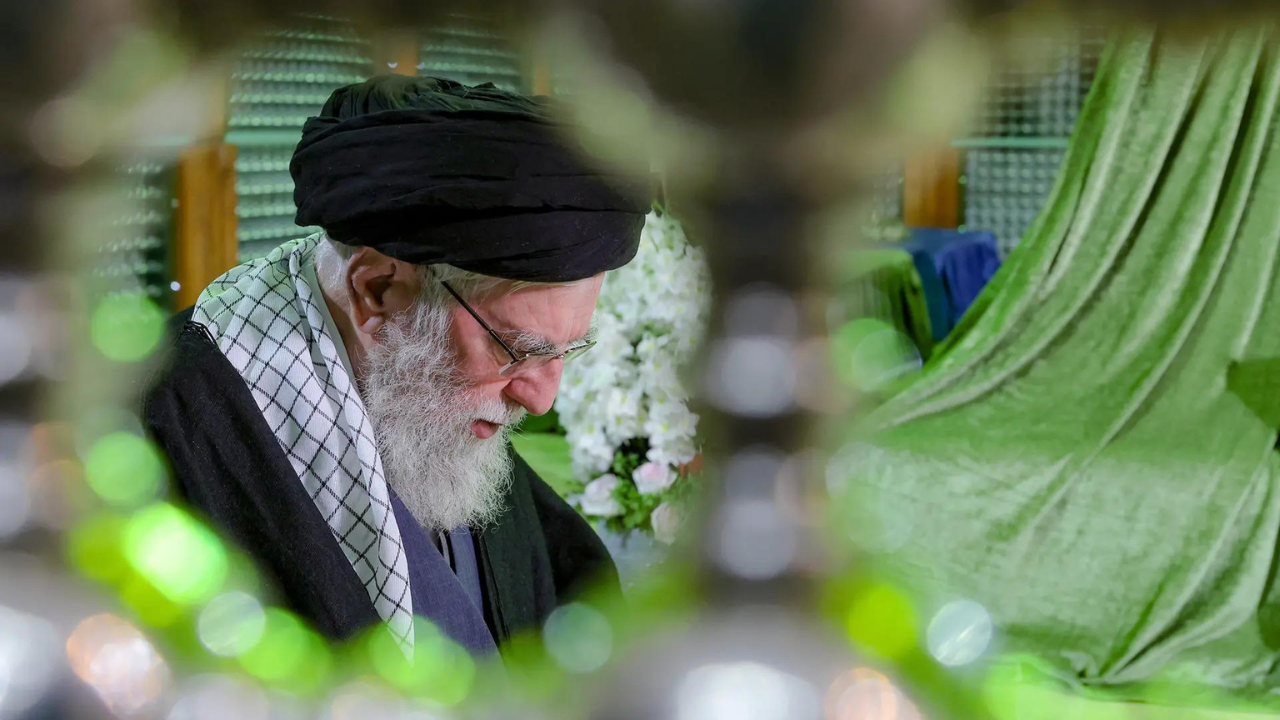
The world woke up today to a reality that seemed impossible just 48 hours ago. Ayatollah Ali Khamenei is dead. He wasn't in some remote mountain bunker or a hidden desert facility. He was in his central leadership compound, right in the heart of Tehran, when the floor literally fell out from under the Islamic Republic.
The Israel Defense Forces (IDF) didn't just issue a statement; they declared the end of a 37-year era. This wasn't a stray missile or a lucky shot. It was a massive, daylight operation guided by precision intelligence that pinpointed the exact room where the Supreme Leader was meeting with his inner circle. If you've been following the tension in the Middle East, you know this is the "big one." It’s the moment the regional "octopus," as the IDF calls it, lost its head.
The Strike That Cut the Head Off the Octopus
Israel’s Air Force pulled off what many analysts thought was a suicidal mission. They flew hundreds of jets into some of the most heavily defended airspace on the planet and dropped roughly 30 bombs on a single compound in central Tehran. The IDF is being very clear about why they did it. They aren't just calling Khamenei a political rival; they're labeling him the "architect of destruction" for the entire region.
The timing tells a story of its own. This wasn't a night raid designed to minimize visibility. It happened at 8:10 am local time. It was a statement of total air dominance. The IDF claims they didn't just hit Khamenei; they wiped out about 40 key military commanders, including Iran’s chief of staff, Abdolrahim Mousavi, within seconds of each other.
Honestly, the sheer scale of the decapitation is hard to wrap your head around. Imagine a corporation losing its CEO, its entire board of directors, and its regional managers in a single morning. That’s what the Iranian regime is facing right now.
Why the Heart of Tehran Was the Target
You might wonder why someone as paranoid as Khamenei—who reportedly used a bunker so deep the elevator ride took five minutes—was caught in a central office. It comes down to the necessity of governance. Even a reclusive dictator has to meet his generals eventually.
The CIA apparently tracked his movements for months, identifying a rare gathering of top officials scheduled for Saturday morning. The Americans and Israelis pivoted from a planned night strike to this daylight window because the "indications were excellent," as one Israeli official put it.
The compound in Tehran wasn't just a home. it was the symbolic and operational center of the regime’s authority. By striking there, the IDF didn't just kill a man; they shattered the illusion that the heart of the Islamic Republic was untouchable. Satellite imagery shows the site is basically a crater now.
A Family Legacy Ended in Seconds
One of the more grim details emerging from Iranian state media—specifically the Fars News Agency—is that this wasn't just a military hit. Several members of Khamenei’s family were reportedly killed alongside him, including his daughter, son-in-law, and a grandchild.
While the IDF focuses on the "elimination of the terror axis," the reality on the ground in Tehran is a mix of state-mandated mourning and, surprisingly, quiet celebration. We’ve seen videos of people in suburbs like Karaj blowing whistles and cheering from rooftops. It’s a surreal contrast. The government has declared 40 days of mourning, but for a large segment of the population, those 40 days might feel more like a countdown to something new.
What This Decapitation Means for the Region
The "Iranian octopus" has many arms—Hezbollah in Lebanon, the Houthis in Yemen, and various militias in Iraq and Syria. Without the central brain in Tehran, these groups are effectively flying blind.
- Hezbollah's Dilemma: Naim Qassem has already vowed retaliation, but with their primary benefactor in chaos, where does the funding and high-level strategy come from?
- The Succession Mess: Iran’s constitution says an interim council (the president, the head of the judiciary, and a Guardian Council member) takes over. But in a country where the Revolutionary Guard (IRGC) holds the real guns, a "constitutional" transition is a pipe dream.
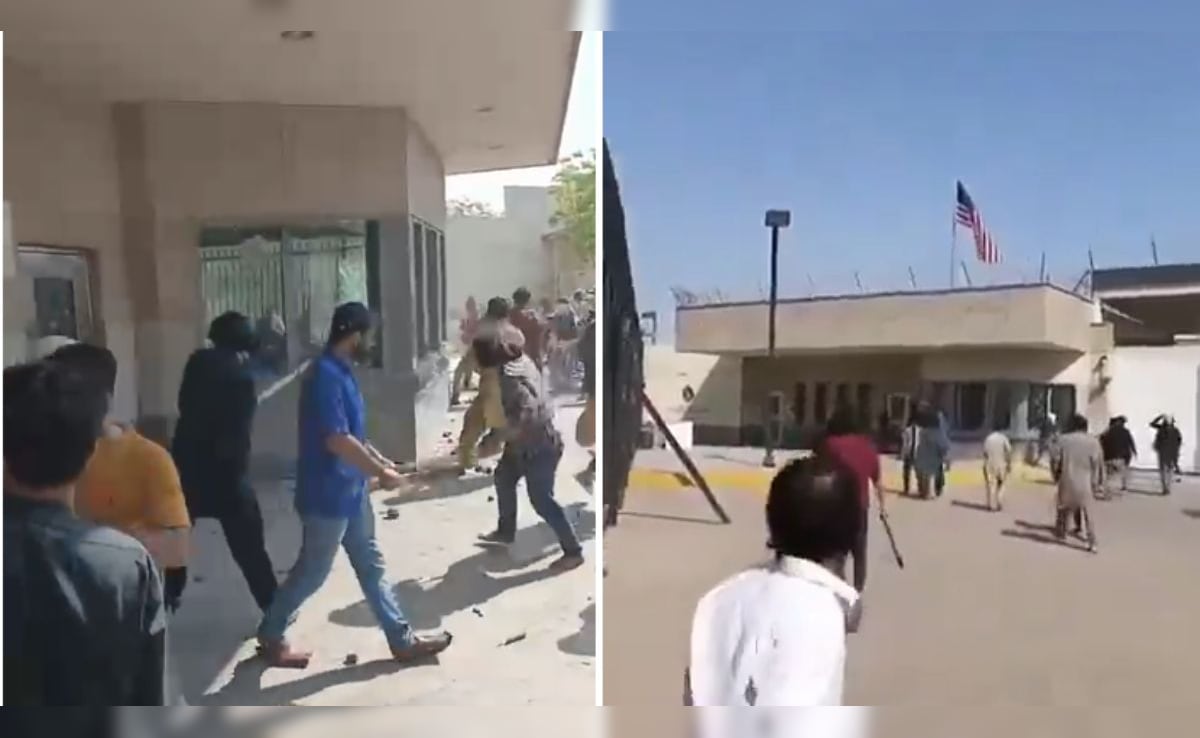
- The Risk of Total War: We’re already seeing retaliatory strikes. Iranian missiles have hit targets in Israel and even some Gulf states like the UAE and Qatar. Three US service members have already been reported killed in the fallout.
The Power Vacuum No One Is Ready For
Don't let the official statements fool you; nobody knows what happens next. The IRGC is likely to try and seize total control to prevent a popular uprising. Meanwhile, US President Donald Trump is calling this the "single greatest chance" for Iranians to take back their country.
It’s a volatile mix of hope and extreme danger. If the IRGC fractures, we could see a civil war. If they consolidate, we might see a regime even more aggressive than the one Khamenei led, simply because they feel they have nothing left to lose.
If you're looking for what to watch next, keep an eye on the streets of Tehran and the movements of the IRGC's remaining leadership. The "decades-long chapter" the IDF mentioned is definitely over, but the next chapter is being written in blood and fire right now.
Stay tuned to local reports from the ground and official military briefings, but take the state-run "stability" narrative with a massive grain of salt. The heart of the regime has been ripped out, and the body is still twitching.