The Pakistani military establishment is currently entangled in a self-inflicted crisis that threatens the very cohesion of the state. In recent weeks, specifically following the fallout of regional geopolitical shifts in March 2026, the rhetoric coming out of Rawalpindi has taken a sharp, sectarian turn that has set the northern territories of Gilgit-Baltistan on fire. This is not merely a localized protest over administrative grievances. It is a fundamental breakdown of the "one nation, one ideology" myth that the army has spent decades cultivating. By reportedly demanding that Shia residents in the north "prove their loyalty" or face exile to Iran, the military leadership has crossed a line that transforms them from national guardians into sectarian protagonists.
This shift in strategy reveals the desperate state of the Pakistani high command. Faced with an economy in freefall and a resurgent Tehreek-i-Taliban Pakistan (TTP) that recorded over 1,100 deaths in the past year alone, the army is reaching for the oldest tool in its box: divide and conquer.
The Northern Fault Line
Gilgit-Baltistan (GB), often referred to in administrative circles as Pakistan-occupied Gilgit-Baltistan (PoGB), has always existed in a constitutional vacuum. It is neither a province nor a fully integrated part of the state. This "gray zone" status allowed the military to maintain absolute control while denying the local population the basic rights afforded to citizens in Punjab or Sindh. However, the recent killing of Iranian leadership in US-Israeli strikes served as a catalyst that the army did not anticipate.
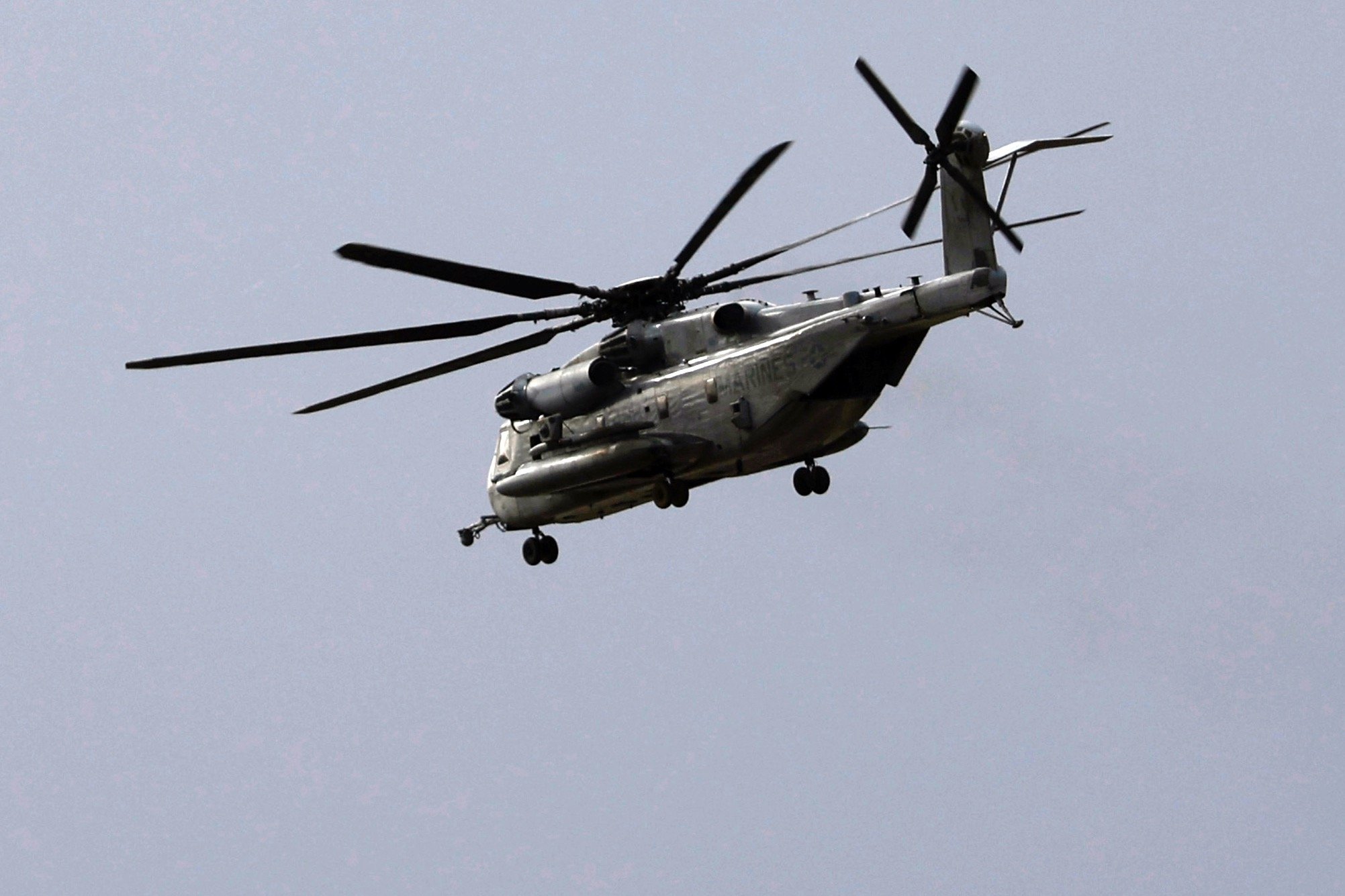
When the Shia-majority population of Gilgit and Skardu took to the streets to mourn, the state's response was not one of empathy or even neutral policing. Instead, it was a heavy-handed military crackdown. Curfews were imposed. Internet blackouts became the norm. The deployment of the Northern Light Infantry—a force ironically composed largely of locals—against their own kin signifies a terrifying shift in operational doctrine. The army is no longer just managing the border; it is policing identity.
Strategic Blunders in the Karakoram
The military’s current posture in the north is driven by two distinct fears. First is the fear of a pro-Iran "fifth column" developing within its borders. Second is the need to secure the China-Pakistan Economic Corridor (CPEC) routes that run directly through these volatile districts. To the generals in Rawalpindi, any expression of religious or cultural affinity that doesn't align with the state-sanctioned Sunni narrative is viewed as a security threat.
- Sectarian Profiling: Reports from the ground indicate that security checkpoints are increasingly used for sectarian screening, with individuals from certain backgrounds facing prolonged detention and "loyalty tests."
- Resource Extraction: While the local population faces historic inflation and food shortages, the military continues to prioritize the protection of mining and infrastructure projects that benefit the central elite, not the local mountain communities.
- The Iran Factor: The army’s shifting stance toward Tehran—alternating between strategic cooperation and deep suspicion—has left the Shia communities of GB as convenient scapegoats whenever regional tensions flare up.
A Military Out of Options
Field Marshal Asim Munir, having consolidated power through the 27th Constitutional Amendment, now sits atop a command structure that is more powerful and more isolated than ever before. The creation of the Chief of Defence Forces (CDF) role was intended to provide a unified military front. In reality, it has created a bottleneck where dissent is silenced and strategic myopia is rewarded.
The army is currently fighting a multi-front war that it cannot win through kinetic means alone. To the west, the TTP and various Baloch insurgent groups have turned the frontier into a meat grinder for young soldiers. To the east, the fallout from "Operation Sindoor" and continued friction with India has forced a massive, expensive mobilization. Internally, the civilian political landscape is a charred ruin, with the military forced to micro-manage a puppet government that possesses zero public legitimacy.
The Myth of Indigenous Resilience
Munir’s recent speeches emphasize "indigenous capability" and "institutional resilience." These are hollow phrases when measured against the reality of the Global Terrorism Index, where Pakistan now ranks first. The military's insistence that it is a "peaceful nation" is belied by the fact that it has conducted over 60 aerial strikes within its own neighborhood in the last few months.
The strategy of using militant proxies as "strategic depth" has reached its logical, bloody conclusion. Groups that were once considered assets have turned their guns on their former handlers. In response, the military has doubled down on internal repression, particularly targeting ethnic and religious minorities who are the easiest to frame as "foreign agents."
The Cost of Exclusion
The tragedy of Gilgit-Baltistan is that its people were once the most vocal supporters of integration. They fought their own war of liberation in 1947 to join Pakistan, only to be kept in a colonial-style holding pattern for 79 years. By weaponizing sectarianism, the military is effectively telling these people that they are not, and will never be, "Pakistani enough."
This is a dangerous gamble. When you deny a people a political identity, they will inevitably find one in their faith or their ethnicity. The protests in Skardu, where thousands attacked UN offices and government buildings, were not just about a foreign leader’s death. They were an explosion of nearly eight decades of bottled-up resentment against a military that takes their land and resources but refuses to acknowledge their humanity.
The army's demand for loyalty is a classic projection of its own insecurity. A state that is confident in its social contract does not need to ask its people to prove they belong. It is only when the contract is broken—when the military consumes 70% of the budget while the people starve—that "loyalty" becomes a mandatory, enforceable commodity.
Fractured Command and the Path Ahead
There are whispers of discontent within the mid-level officer corps. These are the men who have to explain to their soldiers why they are shooting at protesters in Gilgit instead of defending the border against the TTP. Munir’s recent "reprimands" of top commanders suggest that even at the highest levels, the cost of this sectarian turn is being debated.
The military establishment believes it can navigate this crisis through sheer force and tactical silence. They are wrong. You cannot "clear and hold" the hearts of a population that you have officially branded as outsiders. The more the army leans into sectarian rhetoric to justify its control, the faster it erodes the very national unity it claims to protect.
The path forward requires a total abandonment of the "managed democracy" model and a genuine constitutional integration of the peripheral territories. Anything less is just a stay of execution for a state that is increasingly being consumed by its own guardians.
Would you like me to analyze the specific economic impact of the March 2026 curfews on the CPEC supply chain in Gilgit-Baltistan?