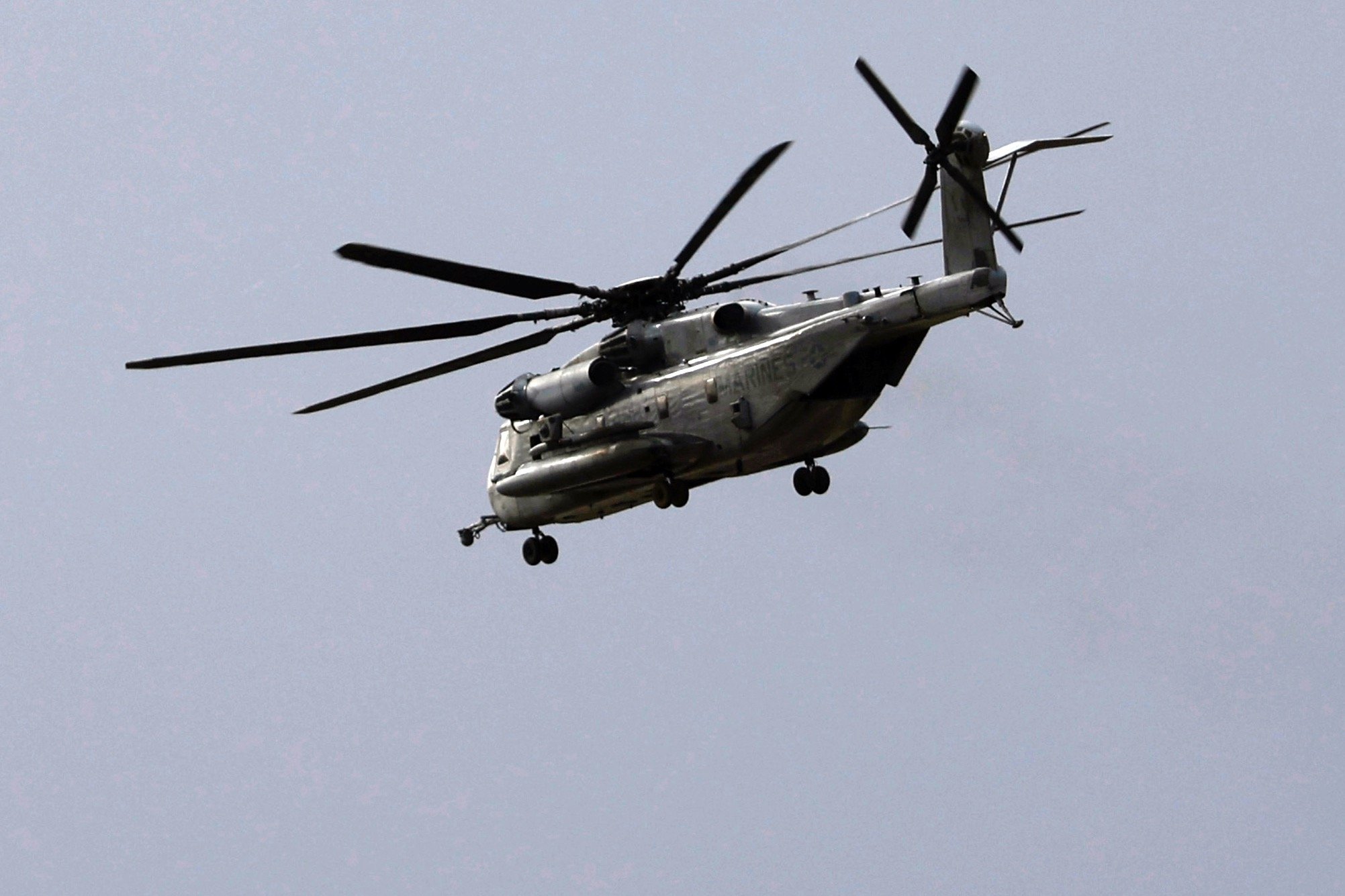
A helicopter went down in the territorial waters of Qatar during a routine flight, triggering an immediate and massive search and rescue operation. This isn't just another headline about a mechanical failure or a pilot error. It's a stark reminder of the razor-thin margin for error when operating heavy machinery over the Persian Gulf. Emergency crews from the Qatar Coast Guard and the Qatar Armed Forces scrambled to the site within minutes of the distress signal. When an aircraft hits the water in this region, the clock doesn't just tick. It screams.
The Gulf is a busy place. Between the massive Liquefied Natural Gas (LNG) tankers, offshore rigs, and constant military patrols, the airspace is as crowded as the shipping lanes below. We're looking at a situation where a standard transport mission turned into a life-or-death scramble. While official reports are still filtering through the Qatar News Agency (QNA), the focus remains on the recovery of the crew and the stabilization of the crash site.
The Reality of Search and Rescue in the Gulf
Search and rescue operations in the territorial waters of Qatar are complex. You aren't just dealing with the ocean. You're dealing with high-salinity water, intense heat, and a seabed that's cluttered with industrial infrastructure. The moment that helicopter disappeared from radar, the Rescue Coordination Center (RCC) initiated a multi-agency response.
This usually involves a combination of AgustaWestland AW139 helicopters—the workhorse of the Qatar Emiri Air Force—and fast response boats. They use side-scan sonar and thermal imaging to cut through the haze and the dark. Time is the enemy. Even in the relatively warm waters of the Gulf, shock and exhaustion set in quickly for survivors. The current in these waters can also be surprisingly deceptive, pulling debris and life rafts kilometers away from the initial "splash point" in a matter of hours.
The logistics are a nightmare. The Qatari authorities have to coordinate with QatarEnergy and other offshore operators to ensure that private vessels in the area stay clear while also remaining on standby to assist. It’s a choreographed chaos that most people never see until something goes wrong.
Why Offshore Aviation is Getting Riskier
You might think technology makes flying safer every year. In some ways, it does. But the demands on offshore aviation in Qatar have spiked. The expansion of the North Field—the largest non-associated gas field in the world—means more flights, more crew rotations, and more pressure on airframes.
Helicopters used in these operations are built to handle the heat, but the Persian Gulf environment is brutal. Fine sand, high humidity, and salt air are a recipe for turbine degradation. Maintenance crews in Doha and at the various airbases work around the clock, yet the environment remains a constant threat. When you're flying 50 to 100 miles offshore, you don't have the luxury of an easy emergency landing. It’s the platform or the water.
There's also the human element. Pilots in this region are some of the best trained in the world, often coming from elite military backgrounds. However, spatial disorientation over water—especially at night or in dusty conditions—remains a leading cause of accidents globally. When the sky and the sea both look like a flat gray wall, your inner ear can lie to you.
Qatar Safety Record and Oversight
Qatar has invested billions into its Search and Rescue (SAR) capabilities. This isn't a country that cuts corners on emergency response. The Ministry of Interior and the Ministry of Defence have integrated systems that allow for real-time tracking of almost every bird in the sky.
- Integrated Command: The National Command Center (NCC) acts as the brain for these operations.
- Rapid Deployment: Response times for SAR missions in Qatari waters are among the fastest in the Middle East.
- International Standards: Qatar follows strict ICAO (International Civil Aviation Organization) guidelines for accident investigations.
Despite the tech, accidents happen. The investigation into this specific crash will likely take months. Investigators will look at the flight data recorder (the black box), maintenance logs, and even the fuel quality. They'll want to know if it was a catastrophic mechanical failure or something as simple as a bird strike.
The Impact on Offshore Workers
If you've ever worked on a rig or a vessel in the North Field, you know the sound of a helicopter is the sound of going home. It’s the lifeline. An incident like this sends shockwaves through the offshore community. It makes the "pre-flight safety briefing" feel a lot more real.
Safety protocols for passengers have evolved. Everyone on these flights wears high-visibility gear and often carries personal locator beacons (PLBs). They undergo HUET (Helicopter Underwater Escape Training), which involves being strapped into a simulator and dunked upside down in a pool. It’s terrifying, but it’s the reason people survive these crashes.
The immediate priority for the search and rescue teams in Qatar is the "golden hour." That first hour after a crash is when the highest percentage of lives are saved. Beyond that, the operation shifts from a rescue to a recovery, a grim transition that every SAR professional hates to make.
What Happens Next for the Investigation
Once the search concludes, the focus shifts to the wreckage. Bringing a downed helicopter up from the seafloor is a delicate process. Divers and Remotely Operated Vehicles (ROVs) are used to rig the airframe for lifting. This is crucial because the physical evidence often tells the story that the flight data can't.
If the engines are intact, they'll be shipped back to the manufacturer—whether that's Leonardo, Airbus, or Sikorsky—for a teardown. They look for "witness marks" on the gears and blades that indicate if the engine was producing power at the moment of impact.
You can expect the Qatar Civil Aviation Authority to release a preliminary report within weeks. It won't have all the answers, but it will outline the basic facts: altitude, speed, and last known communication. The final report will be the one that actually changes the rules. It might lead to new maintenance intervals or different flight paths to avoid congested areas.
Keep an eye on the official QNA feeds for updates on the crew's status. Avoid the speculation on social media. In these situations, the truth is usually found in the technical logs, not the grainy photos posted by passersby. If you're involved in offshore operations, now is the time to double-check your own safety gear and ensure your PLB batteries are fresh. Don't wait for the next incident to take the training seriously.