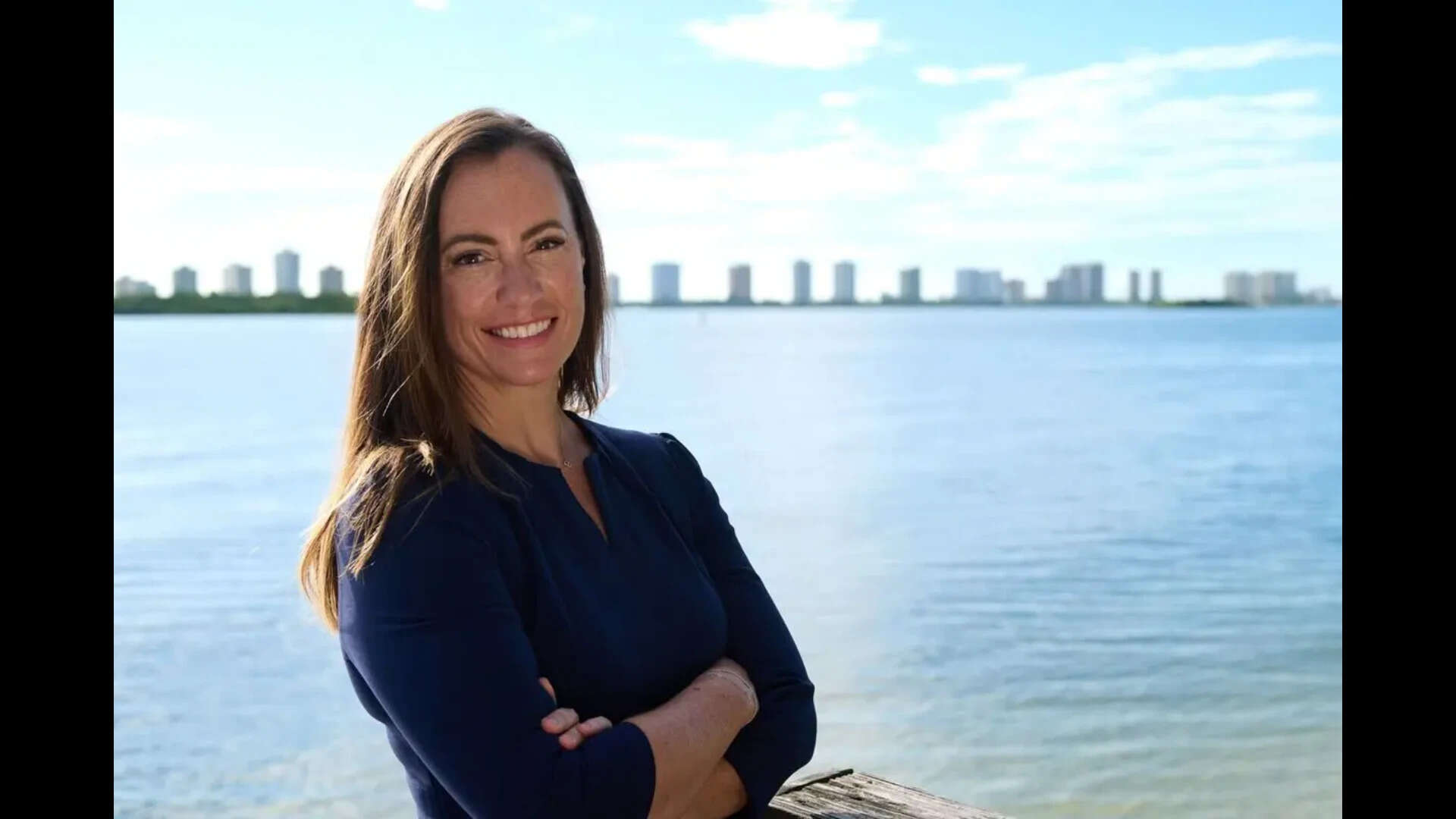
Imagine standing in a packed airport terminal, clutching your passport and thinking about your own bed, when the world starts to tilt. For Jade Bird, a 33-year-old carer from Abergele, what started as a nagging earache and a headache quickly spiraled into a nightmare that has left her family stranded and desperate.
It's the kind of story that makes you double-check your own travel documents. Jade was at the airport in Tenerife, ready to fly back to North Wales, when she suddenly became "extremely poorly." It wasn't just travel fatigue. She was screaming in pain, unable to communicate, and within hours, she was in an intensive care unit (ICU) in the north of the island. For a deeper dive into similar topics, we recommend: this related article.
The diagnosis was terrifying: a brain infection that rapidly developed into meningitis. To save her life, doctors placed her in an induced coma on a ventilator. For over a week, her family lived in a state of suspended animation, waiting for any sign of life.
The Reality of Island Healthcare and Language Barriers
When you're on holiday, you don't think about the local hospital's ICU protocol. You don't think about how you'll understand a doctor's update when you don't speak the language. Jade’s sister-in-law, Victoria Bird, and her mother, Janine, have been living this reality for two weeks. For broader information on this topic, in-depth analysis can be read at NBC News.
They’ve described the "heartbreaking" sight of Jade hooked up to machines, but also the sheer frustration of the communication gap. In Tenerife, medical updates often come just once a day. If you don't speak Spanish, you're relying on luck or a friendly translator to know if your loved one is actually getting better.
Honestly, the "horror airport scenes" people talk about weren't just about the medical collapse. It’s the chaos that follows. It's the boyfriend left standing there as his partner is rushed away in an ambulance. It's the frantic phone calls home at 9 pm. It’s the realization that you’re stuck in a foreign country with no clear path back.
Why Travel Insurance Isn't Always the Golden Ticket
There’s a lot of chatter online whenever a GoFundMe appears. "Didn't she have insurance?" people ask. The answer in Jade's case is yes. She had insurance, and it is currently covering her ICU stay—which costs roughly £4,000 a day.
But here’s the kicker that most people miss: insurance often covers the hospital bill, but it doesn't always cover the medical evacuation back to the UK until the patient is deemed "fit to fly" by their standards.
The family has been quoted between £46,000 and £50,000 for a private medical flight. Why? Because a standard commercial flight isn't an option for someone who just came out of a coma and needs constant IV antibiotics and neurological monitoring. The cost includes:
- A specialized aircraft equipped with life-support systems.
- A dedicated medical team (doctor and nurse) for the duration of the flight.
- Ground ambulance transfers at both ends.
- The astronomical price of aviation fuel and landing fees for private medical charters.
Most families don't have £50,000 sitting in a savings account. That’s why the GoFundMe was set up—not because they didn't prepare, but because the gap between "stable" and "home" is a financial canyon.
Waking Up to a Long Road Ahead
There is finally a glimmer of hope. After eight days in that induced coma, Jade has started to wake up. Her family says she’s more alert and aware of her surroundings. In a classic "Jade" move, one of her first reactions was being annoyed that she wasn't allowed to have a Coke yet.
While that brings a smile, the medical reality is still heavy. She’s being moved to a neurological ward for a full assessment. Doctors are worried about potential long-term effects: memory loss, seizures, or even paralysis. Meningitis doesn't just go away; it leaves scars.
Her six-year-old daughter, Skyla, is still back in Wales. The family hasn't been able to bring her out because children aren't allowed in the Spanish ICU. Imagine the toll on a grandmother and a sister-in-law, watching their funds dwindle as they pay for hotels and food just to be near a hospital bed, all while wondering when they can finally bring Jade home.
What You Can Do Before Your Next Trip
This isn't just a sad story; it's a wake-up call for anyone heading to the Canary Islands or anywhere abroad. Don't just click "buy" on the cheapest insurance policy.
- Read the Repatriation Clause: Specifically look for "Medical Evacuation." Does it cover a private air ambulance if you aren't fit for a commercial flight?
- Check the "Fit to Fly" Definition: Insurance companies often wait until a patient is stable enough for a normal seat. If that takes three months, you’re on the hook for your family’s accommodation for those three months.
- Get a GHIC/EHIC: If you're a UK resident, ensure you have a valid Global Health Insurance Card. It won't pay for your flight home, but it simplifies the initial state hospital treatment in places like Spain.
- Have a "Crisis Fund": Even with great insurance, you need immediate cash for hotels, taxis, and food. The "hidden" costs of a medical emergency can easily top £200 a day for family members staying nearby.
Jade's family is still fighting to raise the final amount needed to get her back to North Wales. They’ve raised over £12,000 so far, but they're still a long way from that £46,000 goal. If you're traveling soon, take ten minutes to actually read your policy document. It’s boring, but it’s the only thing that stands between you and a £50,000 bill if the worst happens at the airport.