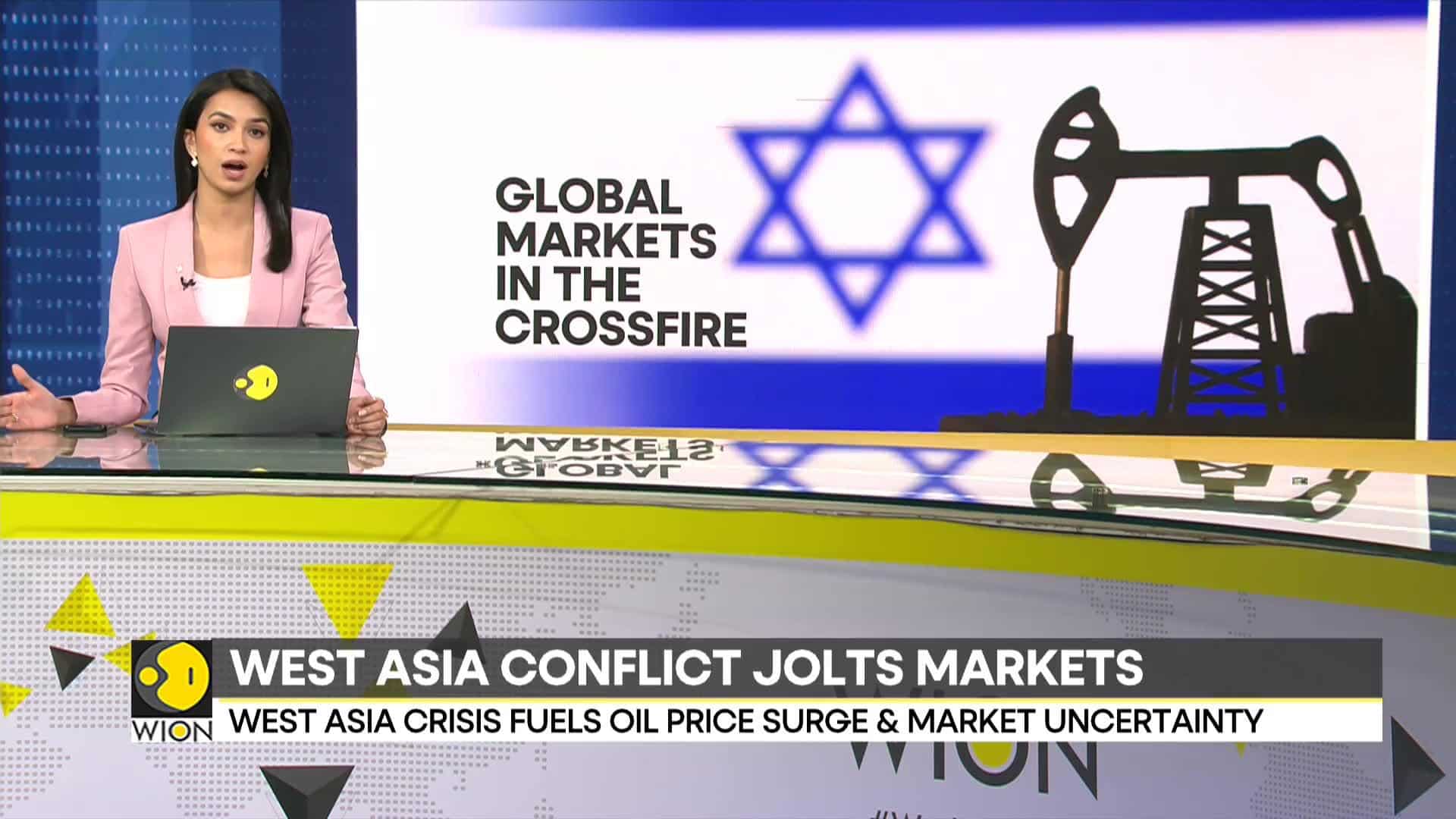
The world isn't just watching a map; it's watching its wallet. When External Affairs Minister S. Jaishankar picked up the phone to talk to US Secretary of State Marco Rubio this Monday, they weren't just swapping pleasantries. They were staring down a barrel—literally, an oil barrel. The conflict in West Asia, which kicked off in late February 2026, has shifted from a regional skirmish to a full-blown threat to international markets.
If you think this is just another diplomatic circle, you're missing the point. India has 10 million people living in the Gulf. It has a $200 billion trade relationship at stake. And most importantly, it has a massive energy appetite that doesn't play well with closed shipping lanes.
The Energy Security Trap
Let’s be real. Most of the talk about "outreach" and "dialogue" is code for "please don't let oil hit $180." We’ve seen Brent crude dance around the $120 mark since the Strait of Hormuz became a no-go zone earlier this month. For a country like India, which imports 60% of its LPG and a massive chunk of its crude, these aren't just numbers on a screen. They're the reason your local transport costs are about to spike.
Jaishankar’s conversation with Rubio focused heavily on this energy security. The US has just hit a five-day pause on striking Iranian energy sites, a move that’s keeping the markets from a total meltdown—for now. But a five-day window is a blink in the world of global logistics. India is leaning on its strategic petroleum reserves, currently at 5.3 million metric tonnes, but that’s a buffer, not a solution.
Why the GCC Envoys Are on Speed Dial
It's not just about the US. Jaishankar met with ambassadors from the Gulf Cooperation Council (GCC) countries—Saudi Arabia, UAE, Qatar, Kuwait, Oman, and Bahrain—to talk shop. The subtext here is survival. These nations aren't just oil pumps; they're the homes of 10 million Indians whose remittances keep many Indian households afloat.
If the GCC economic model buckles, the ripple effect hits Kerala, Punjab, and Tamil Nadu within weeks. We're already seeing a "grocery supply emergency" in the Gulf because they import 80% of their food through the same waters that are now seeing drone strikes. When the Gulf stops eating, the Indian economy starts bleeding.
The Fertilizer Crisis Nobody Mentions
Everyone talks about gas prices, but the real silent killer is fertilizer. The Gulf is a titan in urea and ammonia production. With supply chains snarled, urea prices have jumped 30% in a month. This is hitting right as planting season begins. If farmers can't afford fertilizer, food prices in 2027 are going to be a nightmare. Jaishankar’s outreach isn't just about the next quarter; it’s about preventing a food riot a year from now.
Diplomacy in a Multipolar Mess
India is playing a delicate game. While talking to the US and the Gulf, Jaishankar is also keeping Russia in the loop. The "Special and Privileged Strategic Partnership" with Moscow is a safety valve. If the West Asia supply completely chokes, Russia becomes the primary backup, despite the logistical hurdles.
The strategy here is clear:
- Push for de-escalation because stability is the only way trade flows.
- Protect the diaspora to ensure social and economic stability back home.
- Diversify energy sources rapidly, including a push for 20% ethanol blending to cut the reliance on imported crude.
The Economic Bottom Line
Don't let the polite MEA statements fool you. This is a high-stakes rescue mission for the global economy. The closure of the Strait of Hormuz is the most severe disruption since the 1970s. We're talking about 20% of the world's oil and a massive chunk of its LNG being stranded.
India’s "Neighbourhood First" policy is also being tested. Sri Lanka is already asking New Delhi for fuel because they can't handle the price shocks. India is effectively becoming the energy shock absorber for South Asia, all while trying to keep its own house in order.
The next few days are critical. If the US-Iran "productive conversations" actually lead to a long-term pause, we might see oil stabilize. If not, the "impact on the international economy" won't just be a talking point—it'll be a recession.
Keep a close eye on the shipping insurance premiums in the Gulf. If those don't drop by the weekend, expect a very expensive summer. You should check your local fuel price trends and consider how your business or household budget handles a 15% increase in logistics costs over the next month.