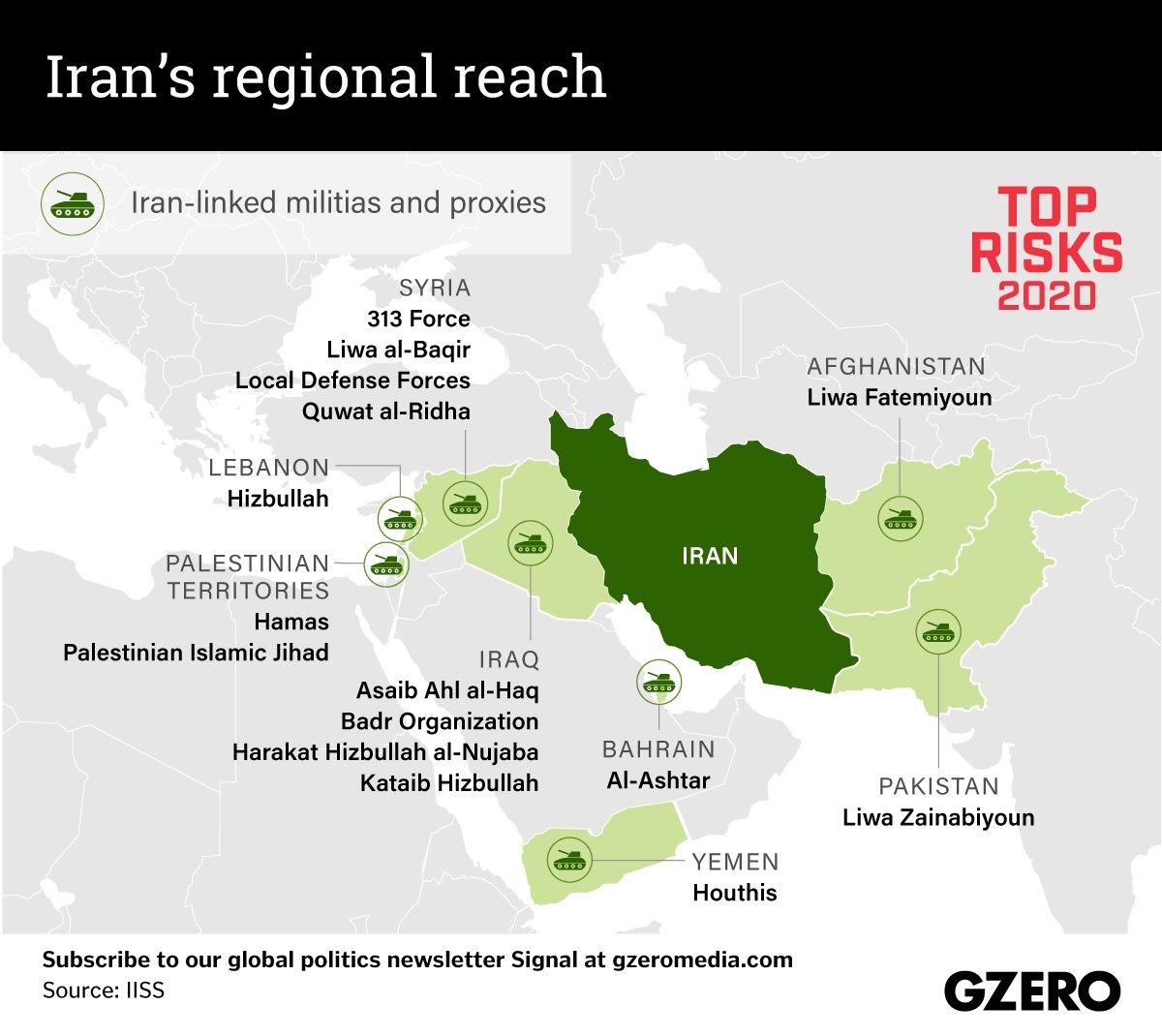
The illusion of a quick victory in the Middle East evaporated on Wednesday night, replaced by a grim reality that has sent shockwaves through global trading floors. In his first primetime address since the start of Operation Epic Fury, President Donald Trump attempted to project strength and finality. He claimed Iran was “no longer a threat” and suggested a resolution was “very close.” But the markets didn’t buy the optimism. Instead, they focused on a single, jagged promise: the United States would hit Iran “extremely hard” over the next two to three weeks.
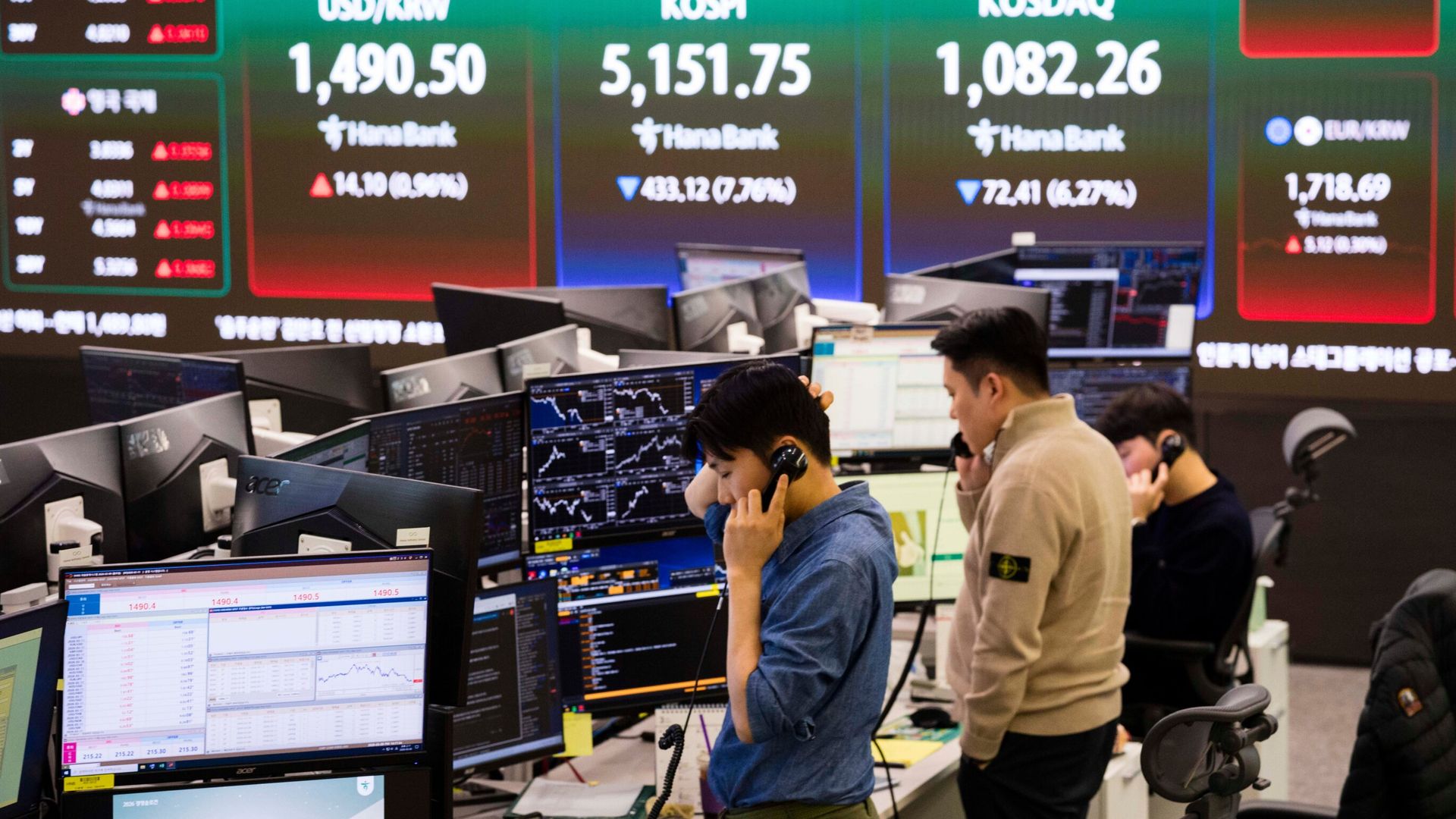
For an investing class that had spent the last 48 hours pricing in a ceasefire, this was a cold shower. The S&P 500's largest two-day gain in nearly a year was wiped out in hours. Brent crude futures didn’t just tick upward; they exploded, surging 8% to breach $109 per barrel. This is the fundamental disconnect of 2026. While the White House broadcasts a narrative of impending triumph, the data on the ground—and the rhetoric from the podium—suggests a protracted, inflationary grind that is rapidly destabilizing the American domestic economy.
The Strait of Hormuz Gamble
The most alarming moment of the address wasn’t the threat of military force, but the President’s dismissive stance on global energy security. By stating that the U.S. does not “need” the Strait of Hormuz and suggesting it would “reopen naturally” after the conflict, the administration signaled a pivot toward isolationism that leaves the world’s most critical oil chokepoint in a vacuum.
This isn't just about high gas prices at the pump, though at $4 per gallon, American consumers are feeling the pinch. This is about the structural integrity of global trade. When the U.S. Treasury Secretary Scott Bessent speaks about "retaking control of the straits" while the President tells other nations to "fend for themselves," the resulting policy whiplash creates a risk premium that no algorithm can accurately price.
Professional commodity traders aren't looking for "toughness." They are looking for a timeline. By extending the window of high-intensity conflict by another twenty-one days, the President effectively guaranteed that the "risk-off" environment will persist through the spring. Safe-haven demand has already surged, pushing the U.S. Dollar Index back above 100.00 and punishing the Euro and Yen.
The IEEPA Shadow and the Supreme Court
While the war in Iran dominates the headlines, a secondary, perhaps more dangerous, fuse is burning in Washington. The market is currently operating under the shadow of a pending Supreme Court decision regarding the International Emergency Economic Powers Act (IEEPA).
For over a year, the administration has used IEEPA as a primary tool to levy unilateral tariffs, bypassing the traditional, and slower, legislative routes. The legal challenge currently before the nation's highest court has created a "K-shaped" instability. If the Court strikes down the administration’s authority, the White House has already signaled it will pivot to Section 301 or Section 201 investigations. These tools are procedurally rigid and legally durable, but they take six to twelve months to implement.
Investors are caught in a pincer movement. On one side, they face the immediate inflationary shock of $100+ oil driven by the Iran conflict. On the other, they face the long-term uncertainty of a trade policy that could be invalidated by the judiciary one day and reconstructed through different executive orders the next.
A Labor Market in Divergence
The administration’s "Golden Age" rhetoric is also hitting a wall of contradictory labor data. On Wednesday, private-sector employment figures showed a gain of 62,000 jobs, beating expectations. However, this follows a February report that saw the economy shed 92,000 jobs.
This is not a healthy, "roaring" economy; it is a fragmented one. Outside of the healthcare sector, which has acted as a solitary engine for growth, the U.S. has effectively seen a net loss of over 200,000 jobs since January 2025. The unemployment rate for U.S.-born workers has climbed to 4.7%, a figure that directly contradicts the populist narrative of a domestic hiring boom.
The Inflation Sticky Point
The Federal Reserve finds itself in an impossible position. Traditional economic models are failing to account for the current mix of fiscal aid, high energy costs, and the ongoing AI-driven capital expenditure boom.
- PCE Inflation: Edging toward 3%, well above the 2% target.
- ISM Prices Paid: Jumped to 78.3 from 70.5, indicating that manufacturers are seeing massive cost increases that will inevitably be passed to the consumer.
- Interest Rates: Hopes for multiple rate cuts in 2026 are being scaled back. Most analysts now expect the Fed to remain paralyzed, as any cut would risk an inflationary spiral, while a hike would shatter an already fragile labor market.
The Midterm Election Ceiling
As we move deeper into 2026, the administration's economic and military objectives are on a collision course with the midterm election cycle. Polling is beginning to show that American patience with Operation Epic Fury is not infinite. The $4 trillion in new debt associated with current policies may have provided a 0.4 percentage point bump in disposable income in early 2026, but that gain is being eroded by the daily surge in gas and grocery prices.
The "wait and see" period is over. Wall Street is no longer looking for a "soothing" address from the White House; it is looking for a definitive ceasefire or a clear exit strategy from the Strait of Hormuz. Until the White House can provide a roadmap that isn't dependent on "extremely hard" strikes and open-ended military timelines, the volatility we are seeing today will be the baseline for tomorrow. The market is not just uncertain—it is fundamentally unstable.
Investors should focus on sector diversification away from narrative-driven segments. The real risk for the remainder of 2026 is that the administration's attempt to "fend for themselves" strategy in the Strait of Hormuz will trigger a global energy shock that no amount of domestic policy can offset. The next two to three weeks will tell the story of the next two to three years.