The desk of a high-stakes broker in a glass-walled office is rarely a place for morality. It is a place for math. Specifically, it is a place for the kind of math that calculates the distance between a rumor and a windfall. In the winter of 2020, as the world watched the friction between the United States and Iran sharpen into a jagged edge, that math began to look like a prophecy.
While the public saw headlines about the killing of Qasem Soleimani and the subsequent rain of ballistic missiles on an Iraqi airbase, certain corners of the financial world saw something else. They saw a ticker tape. They saw the potential for a massive, state-sponsored expansion of the military-industrial complex. And, according to a series of devastating allegations, one broker tried to turn that looming shadow of war into a $25 million bet.
This is not just a story about numbers on a screen. It is a story about the terrifying intersection of private profit and public carnage.
The Architect of the Wager
To understand how a single person can attempt to move millions based on the expectation of a war, you have to understand the mechanics of the "defense trade." It is a cold, clinical environment. Investors look for "catalysts"—events that force a government to open its checkbook. A "catalyst" can be a new technology, a policy shift, or, in the most extreme cases, a body count.
The broker at the center of this storm wasn't just looking at the news. He was looking at his Rolodex. The allegations suggest he wasn't merely reacting to the market; he was actively soliciting funds to pour into defense contractors at the exact moment the drums of war were beating the loudest.
Imagine, for a moment, a hypothetical investor named Sarah. Sarah has worked thirty years to build a modest retirement fund. She trusts her broker to navigate the choppy waters of the market. Now imagine that broker calling Sarah, not to discuss her long-term stability, but to urge her to put every cent into companies that manufacture the missiles currently being prepped on a flight deck. He tells her it’s a sure thing. He tells her the "tensions" in the Middle East are about to yield a "significant return."
In this scenario, Sarah isn’t just an investor anymore. She is a silent, unwitting participant in the monetization of conflict.
The Ghost of 2020
The timing of these solicitations is the most haunting element of the case. In early January 2020, the United States and Iran were closer to a full-scale conventional war than at any point in the last four decades. The air was thick with the scent of jet fuel and rhetoric.
For the average person, this was a moment of profound anxiety. Would there be a draft? Would gas prices skyrocket? Would the world spiral into another "forever war"?
But for a broker looking to "leverage" the situation, that anxiety was a commodity. If you knew—or even strongly suspected—that the gears of the war machine were about to grind into high gear, buying stock in Lockheed Martin, Raytheon, or Northrop Grumman wasn't just a strategy. It was a gold mine.
The core of the accusation is that the broker sought to invest $25 million in these specific sectors. That is not a "diversified portfolio." That is a concentrated strike. It is the financial equivalent of betting on the house to burn down while holding a bucket of gasoline.
The Invisible Stakes of Insider Knowledge
When we talk about brokers and defense stocks, the conversation often gets bogged down in the dry language of compliance and "fiduciary duty." These words act as a veil. They hide the reality that the stock market is, at its heart, a reflection of our collective future.
If people with proximity to power—or those who manage the money of those in power—begin to bet heavily on war, they create a perverse incentive. The line between predicting a conflict and profiting from its inevitability begins to blur.
Think about the way a forest fire works. A single spark is dangerous, but it only becomes a catastrophe if the floor is covered in dry tinder. In the financial world, "dry tinder" is the massive influx of speculative capital into defense companies. When millions of dollars are riding on a conflict, the voices calling for peace become a threat to the "bottom line." The broker’s alleged actions weren't just a violation of professional ethics; they were a gamble on the misery of millions.
The Human Cost of the Spreadsheet
We often treat "the market" as an abstract entity, a force of nature like the weather. It isn't. It is a series of human choices.
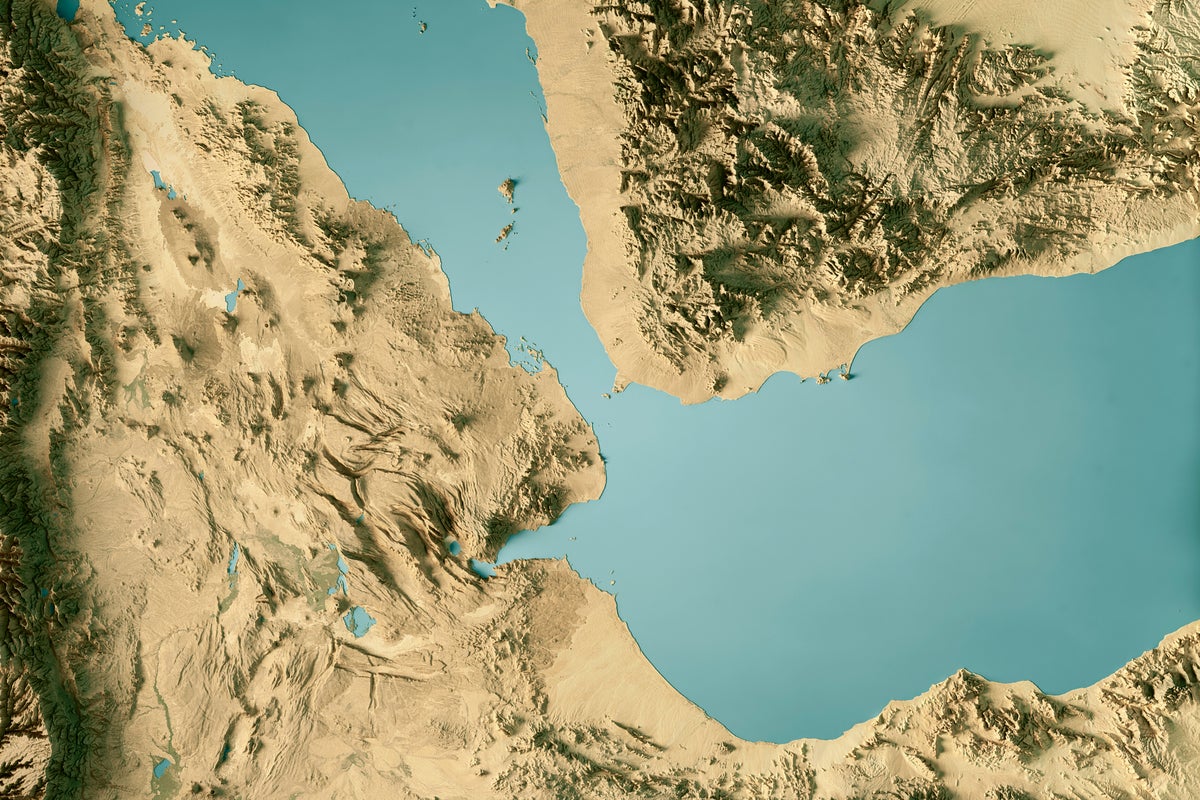
When a broker looks at a map of the Strait of Hormuz and sees a profit margin, they are choosing to decouple themselves from the human reality of what those red dots on the map represent. They are choosing to ignore the soldiers in the barracks, the civilians in the path of the debris, and the families waiting for news that may never come.
The broker's defense will likely hinge on the idea that they were simply "anticipating market trends." It is a common refrain in the industry. "I was just doing my job." But "doing your job" takes on a different meaning when your job involves soliciting millions of dollars to bet on a conflagration.
Consider the psychological weight of that pitch. To convince someone to move $25 million into defense stocks during a crisis, you have to sell them on a vision of the future. You have to make them believe that peace is a losing hand. You have to convince them that the only way to protect their wealth is to invest in the instruments of destruction.
It is a dark, cynical sales pitch. And it is one that happens far more often than we care to admit.
The Fragility of Trust
The financial industry relies on a fundamental belief: that your money is being managed with your best interests in mind. When a broker is accused of such blatant opportunism, that trust doesn't just crack; it dissolves.
If a broker can look at the brink of war and see a "buying opportunity," what else are they willing to commodify? Your health? Your privacy? The very stability of your country?
The $25 million in question wasn't just a number. it was a representation of the broker's worldview. It was a statement that the most valuable thing in a moment of global crisis isn't diplomacy, or courage, or restraint. It is the ability to get in on the ground floor of a tragedy.
We live in a world where information is the most powerful currency. Those who sit at the center of the financial web have access to ripples of information that the rest of us never see. When they use that access to position themselves for a windfall based on the expectation of violence, they aren't just "beating the market." They are betraying the social contract.
The Echo in the Boardroom
The investigation into these allegations will likely take years. Lawyers will argue over timestamps, emails, and the technical definition of "solicitation." But the fundamental truth of the story is already clear.
We have built a system where the machinery of war is a primary driver of investment. We have created a culture where "betting on the end of the world" is seen as a savvy move rather than a moral failing.
The broker at the heart of this case is just a symptom of a much larger rot. He is the man who saw the smoke and tried to sell tickets to the fire.
The real question isn't whether he broke the law. The real question is why we have a system that makes his alleged actions so incredibly profitable in the first place.
As the sun sets over the financial districts of the world, the tickers keep scrolling. The numbers change, but the stakes remain the same. Every trade has a heartbeat behind it. Every investment carries a consequence. And sometimes, the cost of a "perfect" trade is a price that no one should be willing to pay.
The ink on the ledgers may be black, but the stories they tell are written in a far more vivid color.