The sun hit the stone of St. Peter’s Square with a sharpness that felt almost intentional this Easter Sunday. You could feel the weight in the air. Thousands of people stood packed together, shoulders touching, waiting to hear from a man who’s only been in the job for a few weeks. Pope Leo XIV stepped onto the central balcony for his first "Urbi et Orbi" address, and he didn't stick to the usual script of vague platitudes. He went straight for the jugular of global conflict.
While many expected a soft-spoken debut, Leo XIV delivered a pointed, urgent plea for an immediate ceasefire in the world’s most volatile regions. He didn't just talk about "peace" as an abstract concept. He talked about it as a requirement. For a world that’s become increasingly numb to headlines about drone strikes and border skirmishes, the Pope’s words felt like a cold splash of water.
Why this Easter Mass felt different
Usually, a new Pope spends his first few months playing it safe. They find their feet. They learn the Vatican’s labyrinthine bureaucracy. Not Leo. By focusing his first major message on the specific brutality of current wars, he’s signaled that his papacy won't be one of quiet observation.
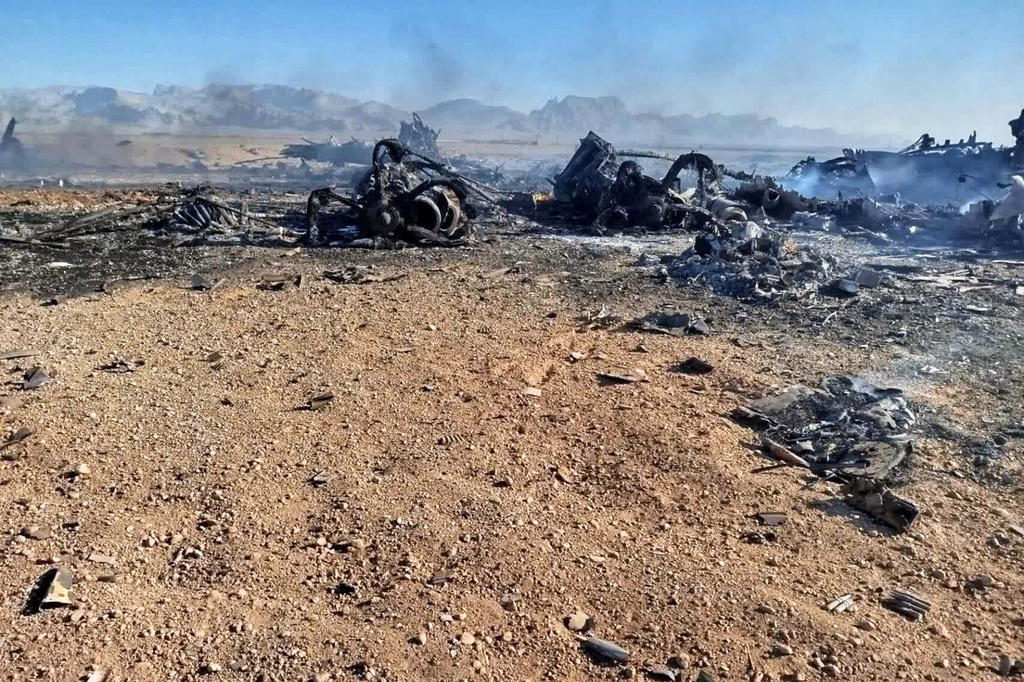
He looked out at the crowd—estimated at over 100,000 people—and spoke directly about the humanitarian disasters in the Middle East and Eastern Europe. He mentioned the children who’ve forgotten how to smile. That’s a heavy image to drop on a day that’s supposed to be about celebration, but it’s the reality we’re living in. He’s pushing the idea that you can't truly celebrate the Resurrection while ignoring the "tombs of modern warfare."
The geopolitical weight of the Vatican in 2026
You might think the Papacy is just a symbolic role in the modern age, but you’d be wrong. The Vatican remains one of the few entities that can talk to almost every side of a conflict without immediate political blowback. When Leo XIV calls for a prisoner exchange or a humanitarian corridor, people listen—not just because of religion, but because of the diplomatic machinery behind him.
His predecessor was known for a more cautious diplomatic approach. Leo seems to be leaning into a more "street-level" style of leadership. He’s using his platform to shame world leaders into action. It’s a bold move. It’s also a risky one. By taking such a hard stance so early, he’s setting a high bar for his own administration’s mediation efforts in the coming years.
Breaking down the core message
The speech focused on three main pillars that we should all be paying attention to:
- The rejection of the arms race: Leo called out the billions being poured into weapons while poverty rates climb.
- Humanitarian corridors: He demanded that aid reach those trapped in conflict zones without "political strings attached."
- The role of the individual: He challenged the people in the square—and those watching on screens—to stop being "indifferent spectators" to violence.
It’s easy to watch the news and feel like there’s nothing you can do. Leo’s point is that indifference is actually a choice. It’s a form of participation. That’s a tough pill to swallow for a casual Sunday morning.
What this means for global diplomacy
We’re seeing a shift in how the Church interacts with global powers. Leo XIV isn't interested in being a chaplain to the status quo. His background suggests he’s more comfortable in the trenches than in a gilded palace, and that’s reflected in his rhetoric. He’s essentially told the international community that "thoughts and prayers" aren't enough anymore.
If you look at the reaction from various embassies today, you can see the ripples. Leaders can’t just ignore the Pope when he’s speaking to a billion people globally. He’s creating a moral pressure cooker. Whether that actually leads to a ceasefire is another story, but he’s making it very uncomfortable for those who want to continue the fighting.
The logistics of a modern Papal address
The sheer scale of this event is hard to wrap your head around. Security was at an all-time high, with Italian police and Vatican security forces using advanced tech to monitor the crowds. But despite the high-tech surroundings, the ritual remains ancient. That contrast is exactly where Leo XIV finds his power. He’s using a 2,000-year-old tradition to address 21st-century problems like AI-driven warfare and cyber-aggression.
He didn't shy away from modern anxieties. He spoke about how technology is being used to divide us rather than connect us. It’s clear he’s been paying attention to how digital echo chambers fuel real-world violence.
Moving beyond the balcony
So, what happens on Monday? The flowers in St. Peter’s Square will be cleared away. The pilgrims will go home. But the mandate Leo XIV laid out stays. He’s basically challenged the world to a "peace-off."
If you’re looking for a sign of where the Catholic Church is heading, this is it. It’s going to be louder. It’s going to be more political. And it’s going to be a lot less concerned with making everyone feel comfortable.
Pay attention to the diplomatic appointments he makes in the next few months. If he stays true to this Easter message, we’re going to see the Vatican taking a much more aggressive role in peace negotiations worldwide. Don't expect him to back down. This wasn't just a holiday speech; it was a manifesto.
Keep an eye on the official Vatican News feeds and international diplomatic dispatches over the next week. The real work starts now that the cameras are turning off. Watch for how specific world leaders respond to his call for prisoner swaps—that'll be the first real test of his influence.