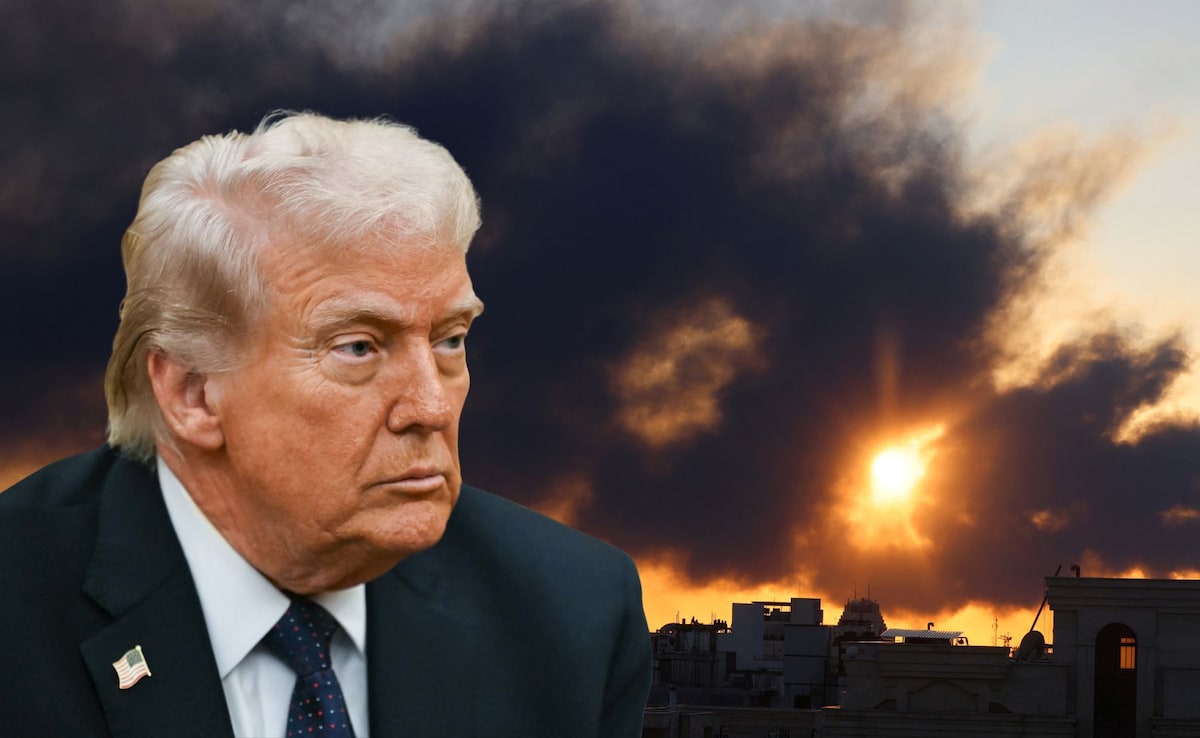
The fog of war in the Middle East has rarely been as thick as it is today. On March 28, 2026, a joint U.S.-Israeli strike targeted the heart of the Iranian leadership, an operation dubbed Operation Epic Fury. The primary target was Ayatollah Ali Khamenei, the man who had held the title of Supreme Leader for nearly four decades. By all accounts, that mission was a tactical success. However, the subsequent power vacuum has birthed a ghost story that now dictates the pace of global energy markets and military strategy.
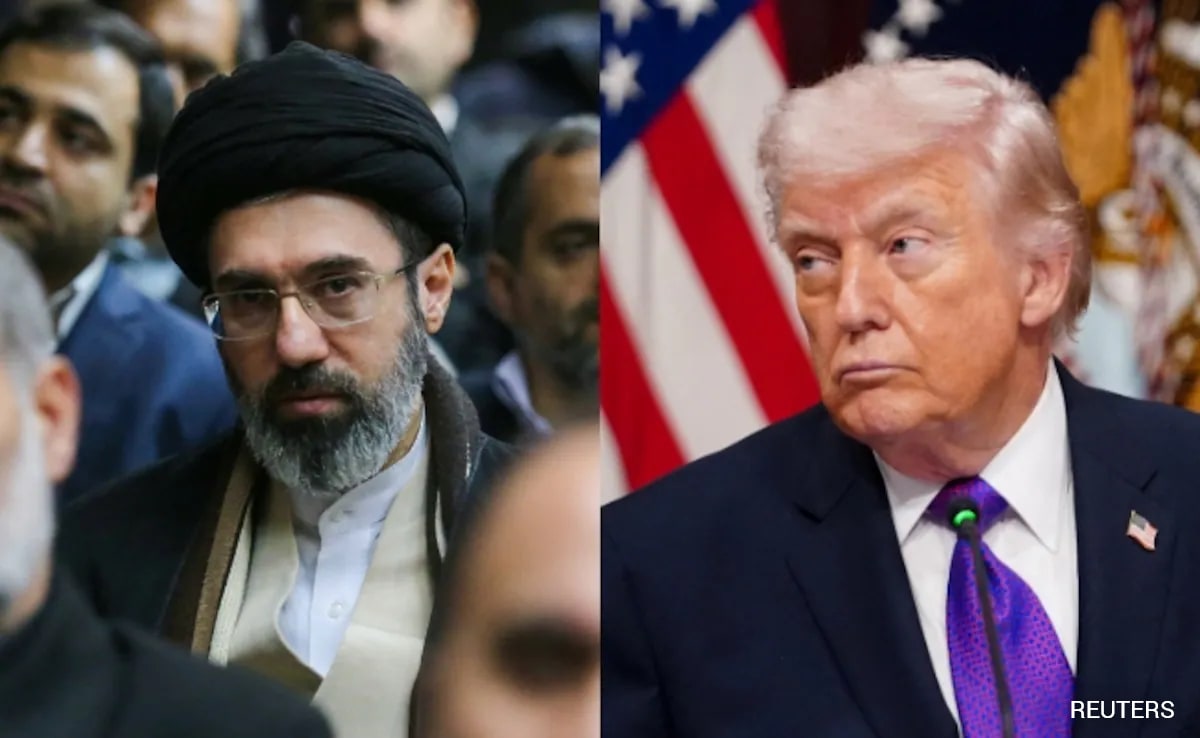
At the center of this mystery is Mojtaba Khamenei, the second son of the late Ayatollah. Elevated to Supreme Leader on March 8, the 56-year-old cleric has yet to be seen in the flesh. This absence has allowed a vacuum of information to be filled by conflicting reports, medical leaks, and the characteristically blunt commentary of U.S. President Donald Trump.
The Coma and the Missing Limb
The most persistent reports, stemming from intelligence sources in Tehran and echoed by media outlets like The Sun, suggest that Mojtaba did not escape the February 28 bombing unscathed. These accounts claim he is currently languishing in the Sina University Hospital in Tehran’s historic quarter. The details are gruesome: the loss of at least one leg, a ruptured liver or stomach, and a deep coma.
Security around the hospital is reportedly impenetrable, with elite units of the Islamic Revolutionary Guard Corps (IRGC) sealing off entire wings. If these reports are accurate, Iran is being led by a man who cannot speak, cannot stand, and may not even be conscious.
Trump's "Venezuela Solution"
President Trump has not been shy about his skepticism. In a series of statements over the last week, he has described Mojtaba as "damaged" and "alive in some form," but has largely dismissed him as a "lightweight." Trump’s rhetoric points toward a broader strategic goal: the Venezuela Solution.
Just as the U.S. supported the transition of power in Venezuela after the capture of Nicolas Maduro, Trump appears to be positioning Washington as the ultimate arbiter of Iranian succession. He has stated clearly that any new leader must have "approval" from the United States to last. This is not just bluster; it is a signal to the Iranian "deep state" that the U.S. is willing to negotiate, but only with a figure who will fundamentally alter the regime’s behavior.
The IRGC and the Art of the Puppet
Why would the Iranian establishment appoint a leader who might be physically incapacitated? The answer lies in the growing dominance of the IRGC. For decades, the IRGC has been the backbone of the theocracy, but it always operated under the clerical shadow of the Supreme Leader.
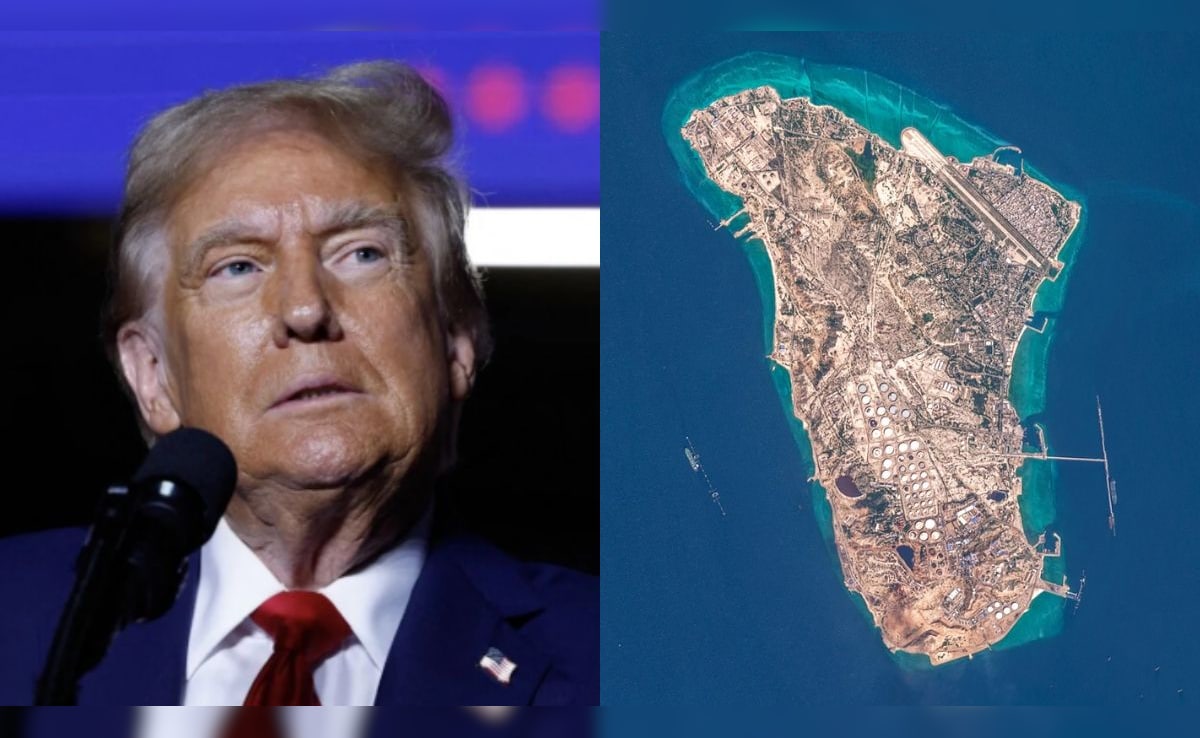
With the elder Khamenei gone and the younger possibly incapacitated, the IRGC has the perfect figurehead. A "wounded war veteran" (a term Iranian state media has already begun using to describe Mojtaba) provides a powerful symbol of defiance. It allows the military elite to direct strategy—including the current threats to the Strait of Hormuz—while maintaining the religious legitimacy of the Khamenei name.
A Statement Without a Face
On March 12, state television broadcast what it called Mojtaba’s first official statement. It was a message of fire and brimstone, vowing to "avenge the blood of Iranians" and promising to keep the world's most vital oil transit point shut. But the message was read by an anchor, not the leader. There was no video, no audio, not even a fresh photograph.
This lack of proof of life has created a strange "Schrödinger’s Leader" scenario. For the IRGC, Mojtaba is alive as long as they say he is. For the West, he is a ghost who might be negotiated away if the right pressure is applied.
The reality of the situation likely lies in the hospital corridors of Tehran. If Mojtaba Khamenei is indeed a janbaz (a wounded veteran) in a coma, the "Supreme Leadership" is currently a committee of generals and hardline clerics clinging to the last shreds of a dying dynasty. They are betting that the image of the Khamenei bloodline is enough to keep the population in check and the Americans at bay. It is a high-stakes gamble in a country where the streets are already simmering with the memory of the January uprisings.
The longer Mojtaba remains a phantom, the more the legitimacy of the Islamic Republic erodes. A leader who cannot be seen cannot lead a nation through a total war. Washington and Tel Aviv know this. The IRGC knows this. The only question is how long the illusion can be maintained before the reality of the bombing's aftermath forces a final, perhaps violent, reckoning.