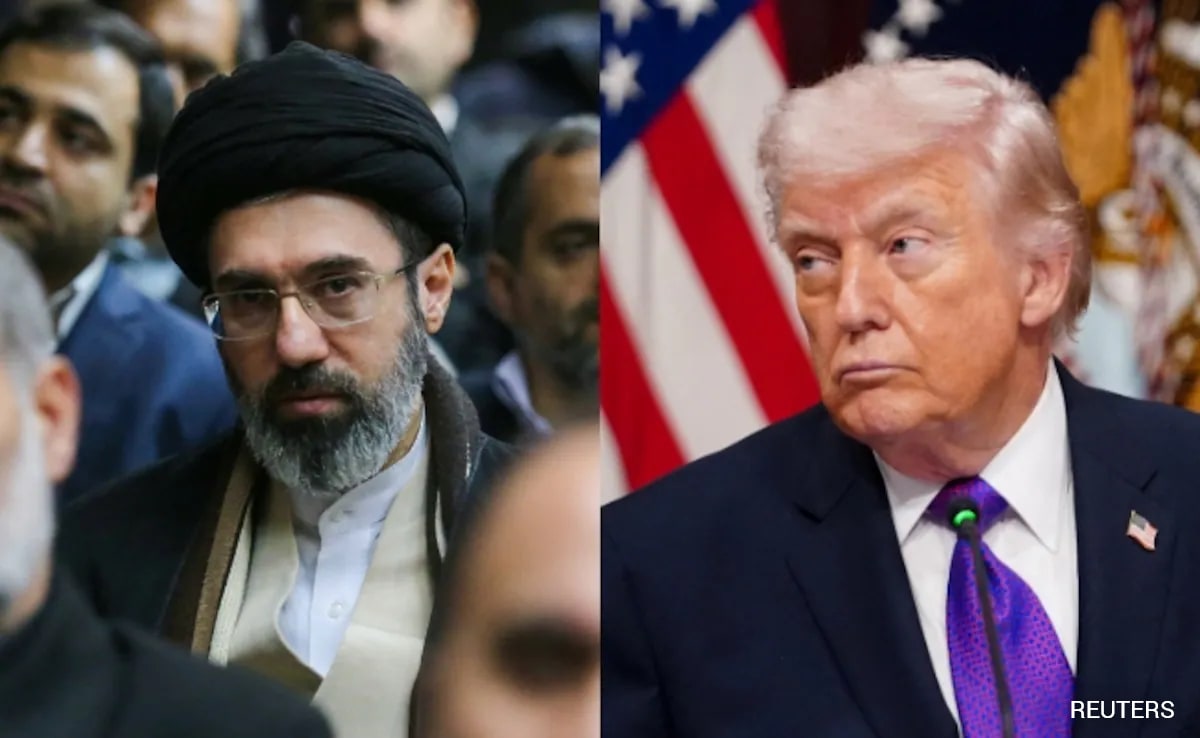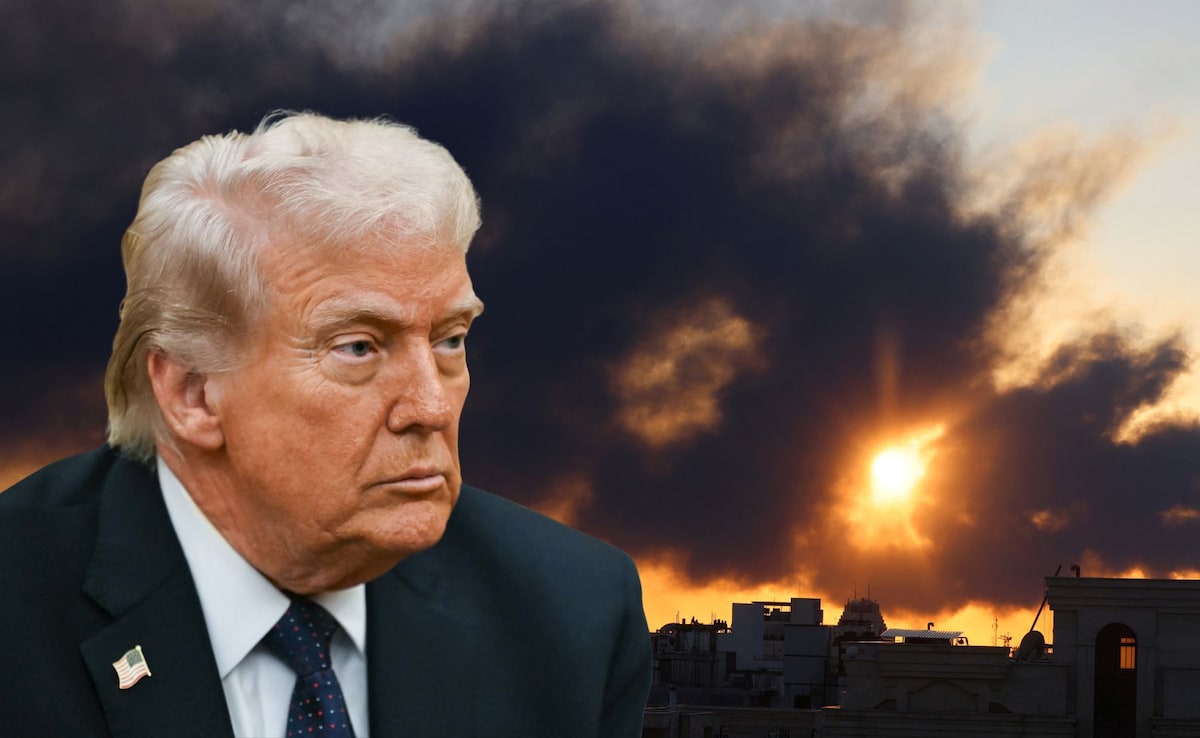
Donald Trump doesn't like being played, and right now, he's acting like a man who just found out the "deal of the century" was a total scam. The headlines say Trump was "surprised" by Iran's recent flurry of attacks across the Middle East, but that’s a polite way of saying the White House was caught flat-footed. After months of "maximum pressure" and tough-guy rhetoric, Tehran didn't back down. Instead, they went for the jugular, hitting targets in Israel, the UAE, and even Qatar.
It's a mess. You've got a president who campaigned on ending "forever wars" now overseeing Operation Epic Fury, a massive combat mission that looks a lot like the start of another one. Trump's shock isn't about the fact that Iran is aggressive—we’ve known that for decades. It's about the scale. Tehran isn't just using proxies anymore; they're launching ballistic missiles from their own soil at American allies.
The Mirage of Deterrence
For years, the theory was simple: if you squeeze Iran’s economy hard enough and take out their top generals, they'll eventually scream for mercy. Trump bet the house on this. But look at what's actually happening on the ground in early 2026. Iran isn't screaming; they're swinging.
The surprise Trump felt likely stems from a massive intelligence gap regarding Iran’s "red lines." While the administration was busy celebrating a ceasefire in Gaza back in 2025, Tehran was busy fortifying its missile silos and accelerating its nuclear enrichment to 60%. They weren't deterred; they were getting ready.
When Iran launched strikes against Al-Udeid in Qatar and various sites in the UAE, they broke the unspoken rule of the region. They showed that being a host to U.S. bases is no longer a shield—it’s a bullseye. Trump’s "surprise" is essentially a realization that the old playbook of sanctions and isolated strikes has reached its expiration date.
What the Intelligence Missed
You can't blame a single person for this, but the collective failure is staggering. Trump's team clearly underestimated how much the Iranian regime felt backed into a corner. When you tell a regime they’re about to be "decapitated"—Trump's own word for the strategy—they don't usually sit around and wait for the blade.
- Internal Pressure: Iran was reeling from massive internal protests in January 2026. Trump thought this made them weak. History shows that failing regimes often start foreign wars to distract from domestic chaos.
- Technological Leaps: The sheer volume of One-Way Attack (OWA) UAVs, like the Shahed 136, overwhelmed regional defenses. Even with the US and Israel working together, 57 drones still hit the UAE. That’s not a failure of hardware; it’s a failure of math.
- The Saudi Factor: Despite a mutual defense agreement signed in late 2025, the Gulf states are finding out that American protection comes with a high price tag—specifically, becoming a primary target for Iranian retaliation.
Why Trump is Doubling Down
If you've followed Trump's career, you know he doesn't do "oops." Instead of pivoting to diplomacy after the surprise attacks, he launched Operation Epic Fury. He’s gambling that he can destroy Iran’s naval and missile capabilities before the American public loses its appetite for the conflict.
He's telling the Iranian people "the hour of your freedom is at hand," which is a bold claim when your own missiles are accidentally hitting schools, as reported in southwest Iran. Trump’s insistence that Iran hit their own school with "inaccurate munitions" shows he's doubling down on the narrative, even when the videos suggest otherwise. It’s a classic move: control the story, or the story controls you.
The reality is that we're now in a "contest of will." Iran wants to expand the conflict because they know Trump has a short fuse and a constituency that hates long wars. Trump wants a quick, four-week "decapitation" that ends with a new government in Tehran.
The Cost of Being Wrong
Wait-and-see isn't a strategy when ballistic missiles are flying. The current casualty counts are already grim.
- 14 U.S. service members dead.
- Over 200 wounded.
- 17 U.S. sites damaged.
These aren't just numbers; they’re political landmines for a president who promised peace. If this war drags into the summer of 2026, the "surprise" Trump felt will be nothing compared to the surprise he'll face at the polls.
Stop thinking this is just another Middle Eastern skirmish. This is a fundamental shift in how power is exercised in the region. The U.S. is no longer just a "policeman" in the Middle East; it’s a direct combatant in a war with no clear exit ramp.
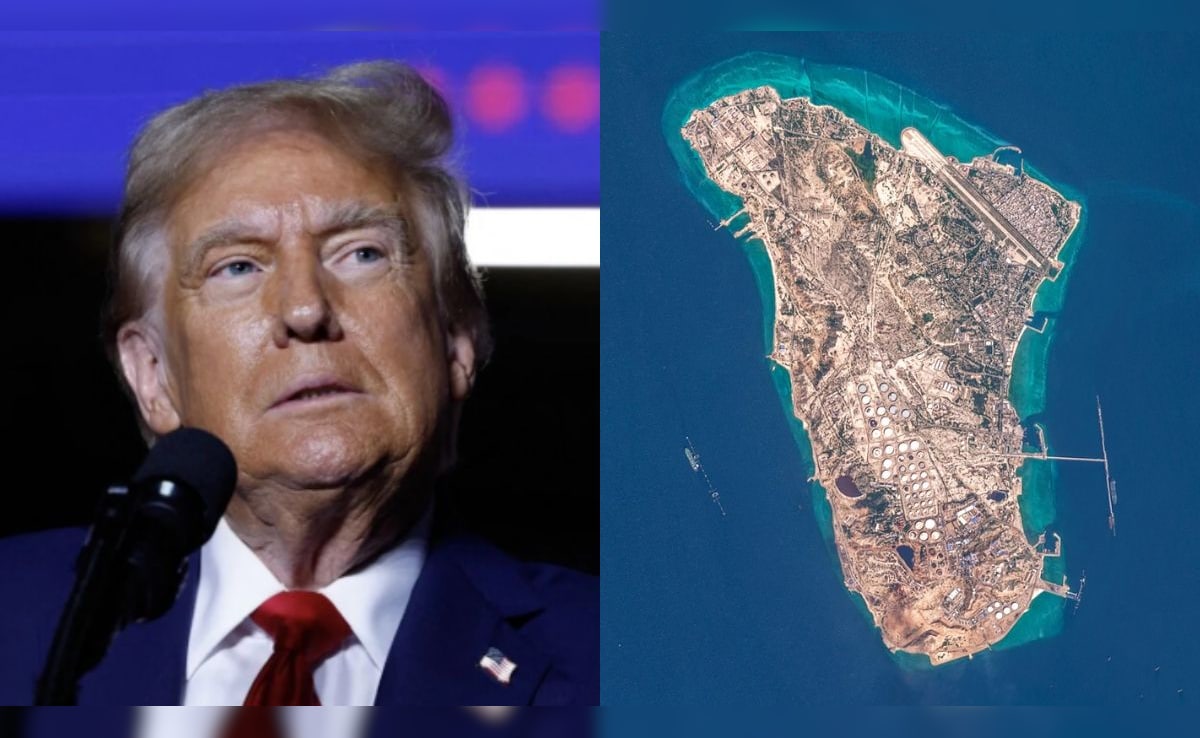
Check your news feeds for updates on the Strait of Hormuz. If that waterway closes, the global economy takes a hit that no amount of "maximum pressure" can fix. You should prepare for higher energy prices and a long period of regional instability. The days of predictable proxy wars are over. We're in the deep end now.