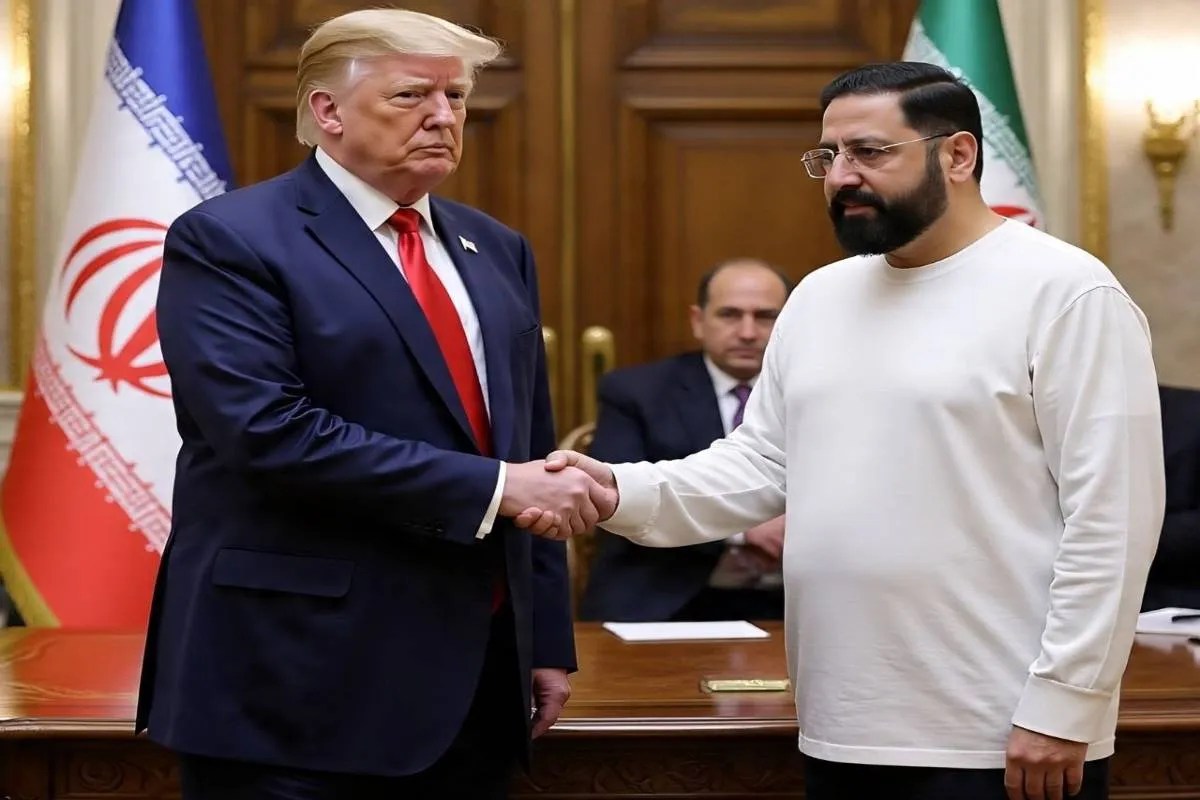
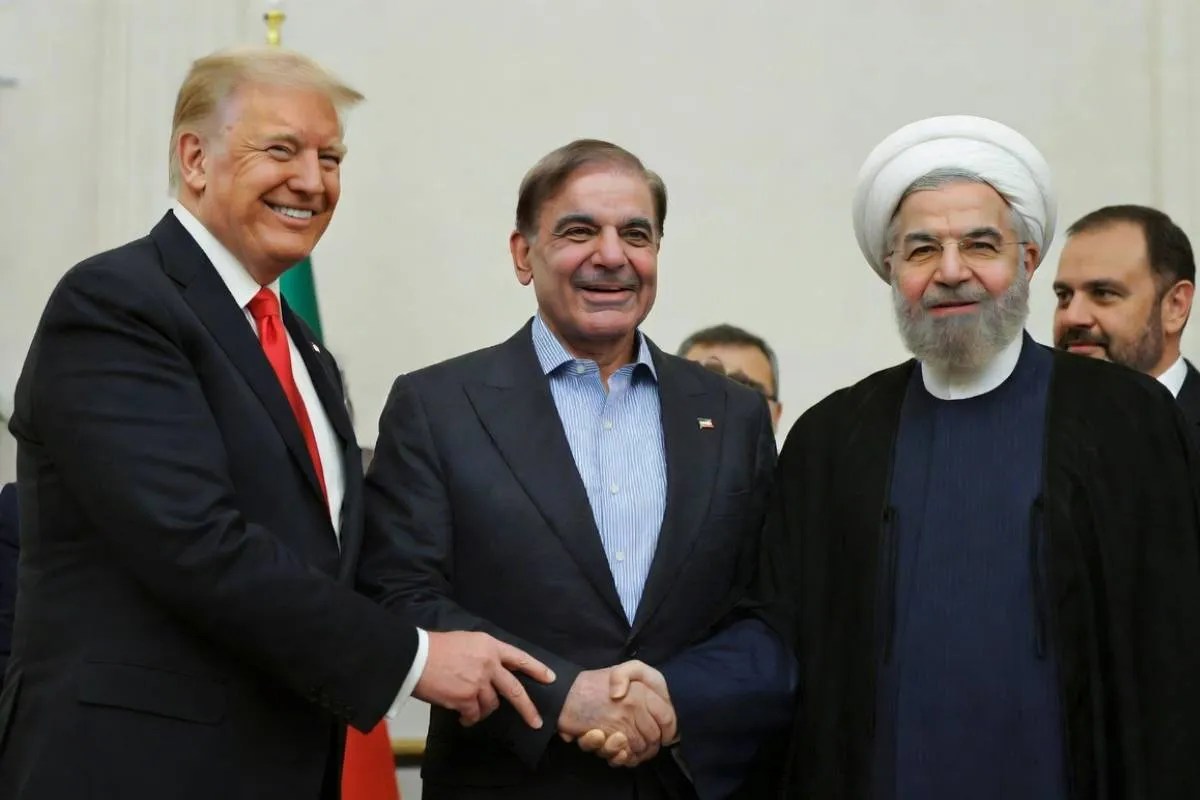
The Pentagon is moving thousands of elite paratroopers toward the Persian Gulf even as Donald Trump insists a diplomatic breakthrough with Tehran is imminent. This is not a simple case of "speak softly and carry a big stick." It is a high-stakes squeeze play where the stick is getting heavier by the hour. On Tuesday, reports surfaced that elements of the 82nd Airborne Division—the military’s premier rapid-response force—have been ordered to deploy to the Middle East. Their mission is clear: provide the White House with the ability to seize Iranian territory, secure oil hubs, or physically dismantle nuclear sites if the current "peace talks" vanish into the desert air.
Trump’s public narrative is one of optimism. He recently claimed that Iran offered a "gift of tremendous value" related to the Strait of Hormuz and suggested the two nations might even jointly control the waterway. Yet, inside the halls of the Pentagon and across the intelligence community, the reality is far more jagged. Tehran officially denies that any direct talks have even occurred since the U.S. began bombing the country twenty-four days ago. This disconnect suggests that while the President is selling a deal to the markets, his generals are preparing for a ground war. For a closer look into similar topics, we recommend: this related article.
The 82nd Airborne and the Shadow of Ground Ops
The deployment of the 82nd Airborne is a massive escalation. Unlike naval assets that can loiter offshore for months, paratroopers are designed for the "forced entry" of hostile environments. You do not send the 82nd to sit in a barracks in Kuwait. You send them to take an airfield, a coastline, or a mountain.
Military analysts note that the arrival of these troops, alongside thousands of Marines from the 11th and 31st Marine Expeditionary Units, gives the administration a capability it previously lacked: boots on the ground. Until now, the 2026 Iran War—dubbed Operation Epic Fury—has been a lopsided affair of airstrikes and missile exchanges. By adding light infantry and specialized raid forces, the U.S. is signaling that it is prepared to move beyond the "bomb and wait" strategy. To get more background on the matter, extensive analysis is available at Al Jazeera.
- The Objective: Seizing Kharg Island, Iran’s primary oil export terminal.
- The Risk: Drawing the U.S. into a protracted insurgency inside a country with three times the population of Iraq.
- The Timeline: Troops are expected to arrive within days, coinciding with the expiration of Trump’s five-day "pause" on hitting Iranian energy infrastructure.
The Diplomatic Mirage
The confusion surrounding the "peace talks" is a feature, not a bug, of the administration's strategy. By claiming "major points of agreement" while simultaneously leaking news of troop surges, the White House is attempting to paralyze Iranian decision-making.
Tehran is currently a house divided. Since the death of Supreme Leader Ali Khamenei in the opening wave of U.S. strikes on February 28, the Iranian power structure has fractured. The Assembly of Experts has named his son, Mojtaba Khamenei, as successor, but his grip is tenuous. The U.S. is exploiting this vacuum. By dangling the carrot of sanctions relief and the "joint control" of the Strait, Trump is trying to peel away pragmatic elements of the Iranian military from the hardline clerics who demand total retaliation.
However, there is a distinct possibility that the "talks" are an elaborate fiction designed to manage global oil prices. When the conflict began, the loss of 11 million barrels of oil per day sent shockwaves through the global economy, dwarfing the shocks of the 1970s. Every time Trump posts about "productive engagement," the markets breathe. It buys time for the "armada" to get into position without triggering a total global economic collapse before the first paratrooper hits the silk.
The Ghost of 2003
The current buildup is the largest concentration of American military power in the region since the 2003 invasion of Iraq. We have seen this movie before. In 2003, the talk was of "weapons of mass destruction" and "liberation." In 2026, the rhetoric has shifted to "nuclear dismantling" and "peace through strength."
The technical reality on the ground is that Iran has not simply rolled over. Despite losing their supreme leader and dozens of top commanders, the IRGC has successfully targeted U.S. allies and commercial shipping. The deployment of Chinese-made YLC-8B anti-stealth radar has made U.S. air superiority more expensive than anticipated.
The Pentagon is worried. An internal briefing reportedly warned that while the U.S. can win any conventional battle, it lacks the "logistics for an extended air campaign" without significant ground-based support. The paratroopers aren't just there to fight; they are there to secure the staging grounds that the Air Force needs to finish the job.
The Clock is Ticking
Friday is the deadline. If the "valuable gift" Trump mentioned does not manifest as a concrete reopening of the Strait of Hormuz, the five-day pause will end. The President has been blunt: "We'll just keep bombing our little hearts out."
But bombing alone hasn't forced a surrender. History shows that airpower rarely ends a regime without a follow-up. By moving the 82nd Airborne, the administration is admitting that the "Epic Fury" of the last month hasn't been enough to break Tehran's will.
The strategy is a gamble of historic proportions. If the bluff works, Trump secures the "deal of the century" and reopens the world's most vital energy artery. If it fails, he has just placed thousands of American soldiers on the doorstep of a meat-grinder conflict that his predecessors spent two decades trying to avoid.
The paratroopers are in the air. The peace plan is on the table. Only one of them is likely to survive the week.