The air in Islamabad during the transition to spring is deceptive. It carries the scent of jasmine and the sharp, metallic tang of a city that knows its history is written in the margins of other people’s wars. In the corridors of power, near the sprawling Constitution Avenue, the silence is heavy. It is the kind of quiet that precedes a landslide.
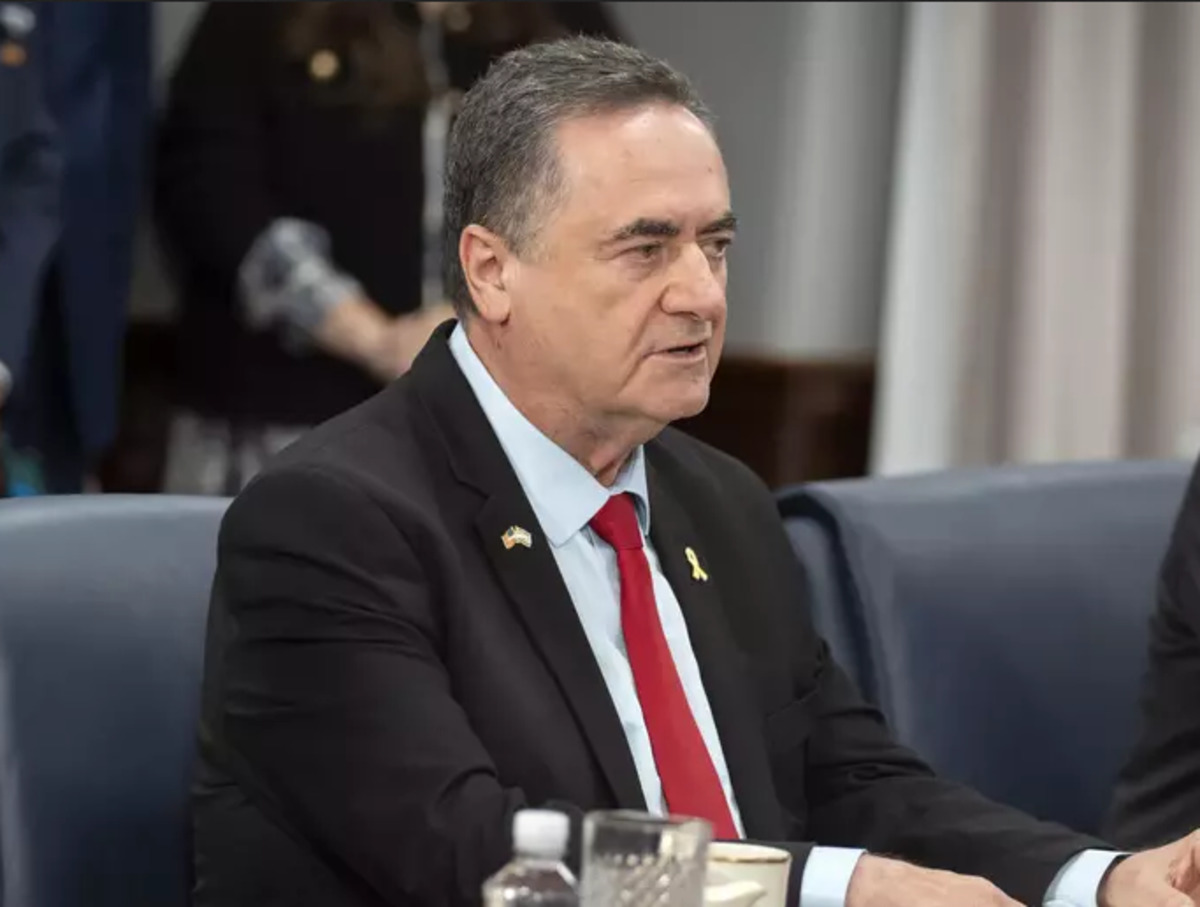
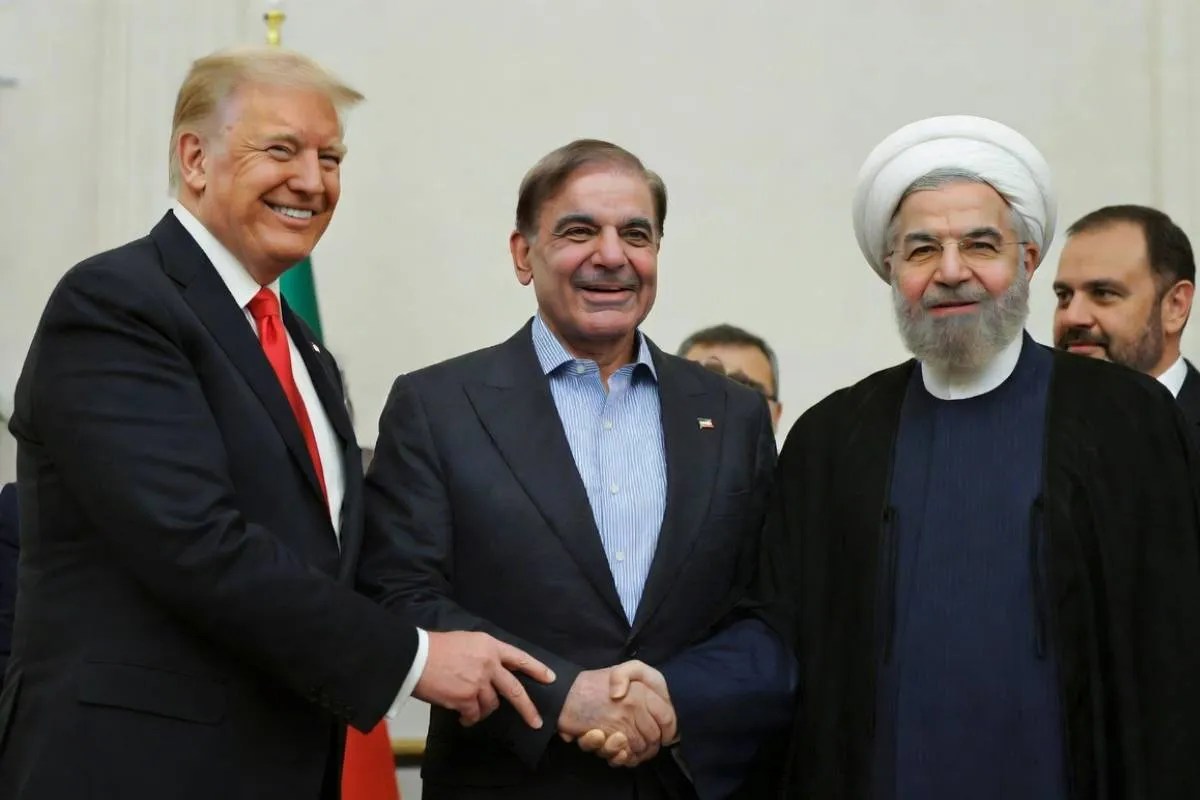
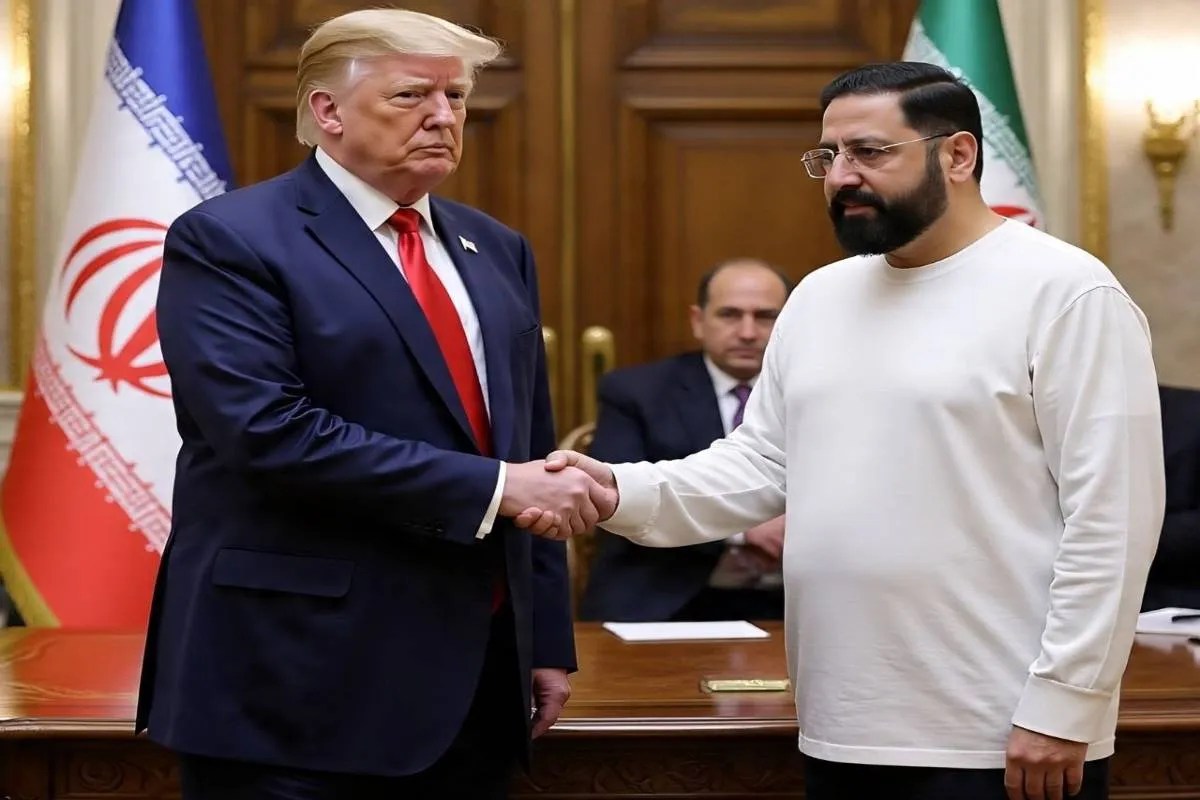
Diplomats here aren't just drinking tea. They are practicing a high-stakes form of cartography, trying to redraw a map of the Middle East that refuses to stay still. The recent buzz suggests a "peace chessboard" is being laid out in the Pakistani capital, a neutral ground where the friction between Washington and Tehran might finally find a cooling vent. But there is a shadow over the board. It is a shape that everyone sees but no one has officially invited to the table.
Israel.
To understand why a room in Islamabad matters to a family in Isfahan or a taxpayer in Ohio, you have to look past the press releases. Imagine a mid-level Iranian envoy, let’s call him Javed. Javed hasn't slept well in years. He remembers the days before the sanctions bit hard, before the shadow war with Israel moved from the dark alleys of Damascus to the digital infrastructure of Tehran. For Javed, and millions like him, "peace" isn't a geopolitical buzzword. It is the ability to buy medicine without a black-market markup. It is the hope that his son won’t have to man a post on a border that feels like a tripwire.
The Invisible Tripwire
The tragedy of the current American-Iranian standoff is that it is a dialogue of the deaf, amplified by the loudest neighbor on the block. While Islamabad offers a pristine, secluded garden for talk, the reality is that the soil is already contaminated by decades of proxy trauma. The United States wants a world where the Strait of Hormuz is a boring shipping lane. Iran wants a world where it isn't treated like a pariah in its own backyard.
But then there is the Israeli factor.
Tel Aviv views a potential "Islamabad Accord" not as a bridge to peace, but as a bypass. In the eyes of the Israeli security establishment, any deal between the U.S. and Iran that doesn't explicitly dismantle Tehran’s "Ring of Fire"—the network of proxies stretching from Lebanon to Yemen—is a death warrant signed in polite diplomatic ink. This is the friction point that grinds the gears of every negotiation. You can’t settle a debt when the most aggressive creditor isn’t in the room.
Consider the math of a missile. If a projectile is launched from a desert in Iraq and hits a target in Haifa, the diplomats in Islamabad can talk until they are hoarse, but the retaliatory cycle is already in motion. The physics of war often outpaces the chemistry of diplomacy.
The Cost of the Empty Chair
Why Islamabad? The choice of venue is a masterpiece of South Asian irony. Pakistan, a country often teetering on its own economic and political tightropes, is perhaps the only place that understands the specific brand of exhaustion that comes from being a "frontline state." They know what it’s like to be the staging ground for someone else’s crusade.
By hosting these whispers of reconciliation, Pakistan is attempting to prove it can be more than a corridor for Chinese trade or a buffer against Afghan instability. It wants to be the healer. But healing requires more than a clean room. It requires the removal of the shrapnel.
The shrapnel, in this case, is the fundamental disagreement over Israel’s right to exist versus Iran’s right to influence. The U.S. finds itself in an impossible bind. It wants to pivot to Asia, to look at the Pacific, to deal with the surging tech-wars of the future. Yet, it is tethered to the Middle East by a chain forged in 1948 and reinforced every decade since.
The American negotiator sits across from the Iranian, both knowing that whatever they agree upon must survive the scrutiny of a Knesset that feels it is fighting an existential battle. It is like trying to settle a divorce in a room where the ex-spouse is watching through a one-way mirror, holding a brick.
The Human Toll of the Chessboard
While the elites move the wooden pieces, the humans beneath the board are being crushed. We talk about "regional stability" as if it’s a weather pattern. It’s not. It’s a mother in Beirut wondering if the sonic boom she just heard was a plane or the start of the end. It’s an American sailor on a destroyer in the Red Sea, staring at a radar screen, twenty years old and responsible for a billion dollars of hardware and a hundred lives, waiting for a drone that costs less than a used car.
The "peace" being discussed in Islamabad is often just a managed version of conflict. We have become experts at managing the fire instead of putting it out.
The facts are stark. Iran’s breakout time for nuclear capability is measured in weeks, not years. Israel’s tolerance for that reality is measured in heartbeats. The U.S. appetite for another desert quagmire is non-existent. These three truths are on a collision course, and Islamabad is the attempt to build a soft landing pad.
But can a landing be soft if the wheels are locked?
The Myth of the Clean Break
There is a persistent fantasy in Western foreign policy that we can "solve" the Iran problem by checking a series of boxes:
- Freeze the centrifuges.
- Release the frozen assets.
- Open the embassies.
- Shake hands for the cameras.
This ignores the ghost. Israel is not a "variable" in the equation; it is the constant. Any narrative that suggests the U.S. and Iran can find a lasting quiet without addressing the security anxieties of the Levant is a fairy tale. It is a dangerous one because it builds a false sense of security that shatters the moment a proxy group decides to remind the world they still have a vote.
The stakes are invisible until they aren't. They are the undersea cables that carry our bank transfers. They are the price of a gallon of gas at a station in rural France. They are the stability of the global insurance market. If the Islamabad talks fail, or if they succeed only on paper, the ghost will eventually demand a seat. And the ghost rarely brings flowers.
The sun sets over the Margalla Hills, casting long, jagged shadows across the city of Islamabad. In the quiet lounges of the Serena Hotel, the tea is cold. The delegates pack their briefcases. They have traded words, nuances, and perhaps even a few concessions. But as they drive toward the airport, they pass the monuments of a country that has seen countless "historic" meetings turn into footnotes of further tragedy.
True peace doesn't happen in a vacuum, and it certainly doesn't happen by ignoring the most volatile player on the field. Until the dialogue expands to include the realities of the Mediterranean coast, these sessions are merely an intermission in a play that has been running for seventy years.
The actors are tired. The audience is terrified. The ghost is waiting in the wings.
The chessboard remains, but the game is playing the players.