The Grand Illusion of the Parisian Table
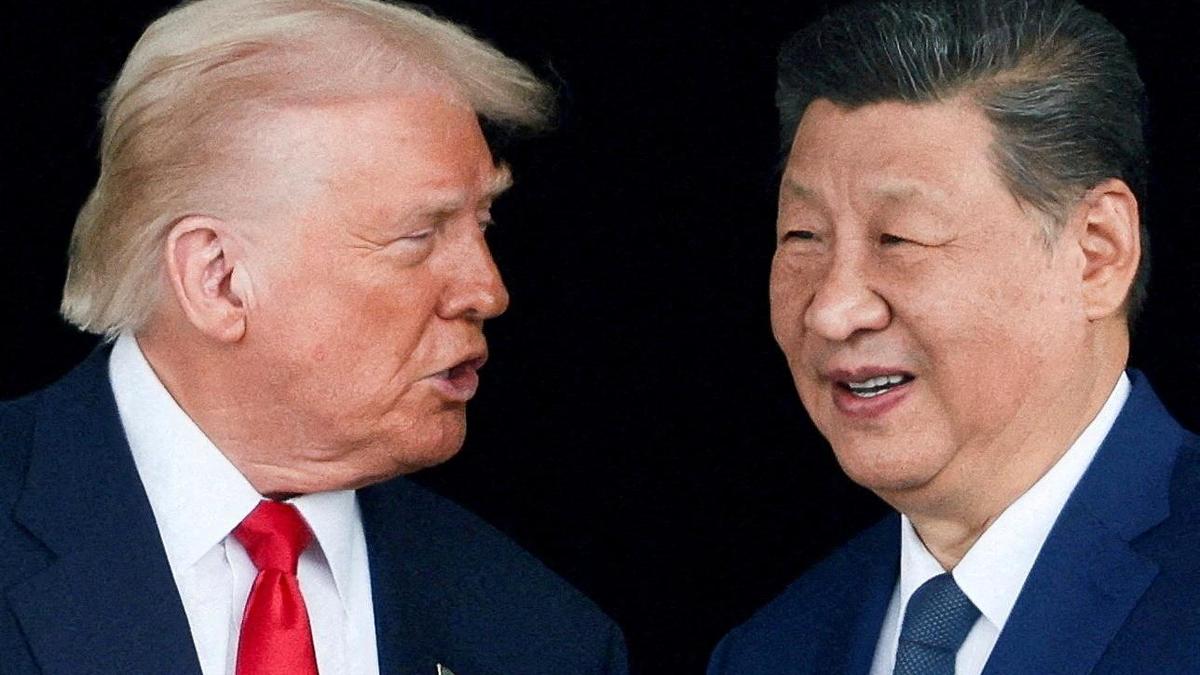
The mainstream media is salivating over a "fresh round" of trade talks in Paris. They want you to believe that bureaucrats sitting in gilded rooms overlooking the Seine are actually "stabilizing global markets" or "averaging out geopolitical friction." They aren’t.
I’ve sat in rooms where these agendas get drafted. These summits are not about trade. They are high-level theater designed to mask the fact that the era of globalized cooperation died a decade ago. While the press discusses "mutual cooperation," the reality is a brutal, zero-sum resource war.
If you think a photo op in France will lower the price of a semiconductor or stop the next wave of tariffs, you’ve been sold a lie. These talks are a stalling tactic—a way for aging economies to buy time while they frantically try to decouple from the very supply chains they spent thirty years building.
The Myth of De-risking
The current buzzword is "de-risking." It sounds smart. It sounds cautious. It is actually a financial fantasy.
You cannot "de-risk" a global economy that functions on a $Just-In-Time$ $ (JIT) $ logic. The math doesn't work. When a trade delegate talks about diversifying supply chains away from China, they are ignoring the massive capital expenditure required to rebuild that infrastructure elsewhere.
- The Cost of Ego: Re-shoring a single advanced fabrication plant costs upwards of $20 billion.
- The Talent Gap: You can build the walls, but you can't conjure the specialized labor force overnight.
- The Energy Paradox: Moving manufacturing to regions with higher energy costs or less stable grids (like parts of Europe or the US) adds a permanent "sovereignty tax" to every product.
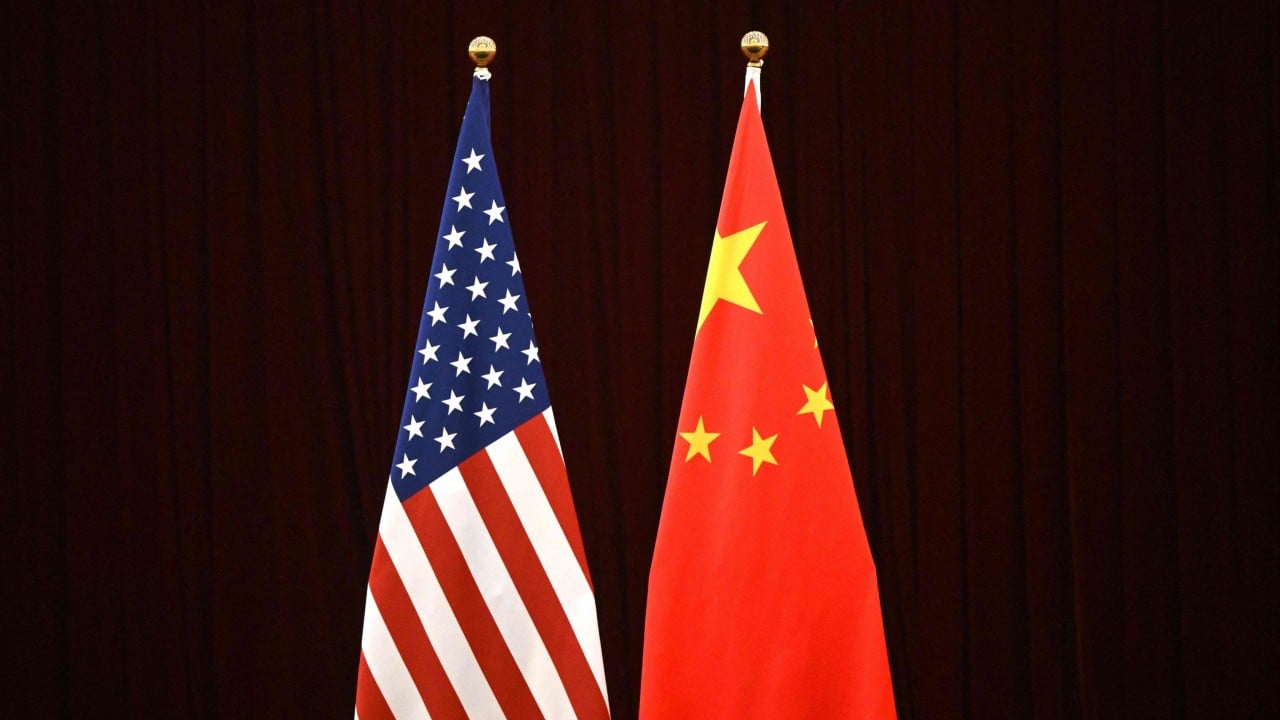
When the US and China sit down in Paris, they aren't looking for a win-win. They are looking for ways to sabotage the other's "de-risking" strategy while pretending to shake hands. It is a game of economic chicken played with your retirement fund.
Why Paris? The Neutrality Trap
Choosing Paris isn't an accident. It’s a desperate attempt to use European "neutrality" as a buffer. But Europe is no longer a neutral arbiter; it is a battleground.
The European Union is caught in a pincer movement. On one side, they are pressured by Washington to cut off high-tech exports to Beijing. On the other, they are terrified of losing the Chinese consumer market that keeps German automakers and French luxury brands solvent.
By hosting these talks, France is trying to assert a "strategic autonomy" that doesn't exist. You cannot be autonomous when you rely on one side for your security and the other for your industrial components. The talks are a PR exercise for a continent that has lost its seat at the head of the table.
The Technology Arms Race is the Only Real Conversation
Forget the talk about agricultural quotas or textiles. Those are the crumbs thrown to the public. The only thing that matters in that room is the "Compute War."
We are looking at a fundamental split in the global stack.
- The Silicon Curtain: The imposition of export controls on extreme ultraviolet (EUV) lithography.
- The AI Schism: Divergent regulatory frameworks designed to protect domestic champions rather than ensure safety.
- The Battery Hegemony: China's 80% grip on the processing of rare earth elements.
When a diplomat says "we are seeking common ground," they actually mean "we are trying to figure out which chips we can still sell you without getting fired back home." It’s not about trade; it’s about weaponizing interdependence.
Stop Asking if the Talks Succeeded
People always ask: "Will these talks lead to a breakthrough?"
That is the wrong question. It assumes that "success" means a return to the 1990s era of frictionless trade. That world is gone. It was a historical anomaly fueled by cheap Russian gas, cheap Chinese labor, and American military dominance. All three pillars have collapsed.
The "brutally honest" answer to the PAA (People Also Ask) query "Will trade tensions ease?" is a resounding No. Tension is the new baseline. Success in Paris isn't a treaty; it’s merely the avoidance of an immediate total embargo.
The Strategy for the 1%
If you are running a business or managing a portfolio, listening to the official communique from these talks is a recipe for bankruptcy.
I have watched companies lose millions because they believed a "truce" was permanent. They stopped diversifying. They kept their assets in the line of fire. Then, a single tweet or a "security memorandum" wiped out their access to their own factories.
- Assume the Worst: Operate as if the tariffs will double next year. If your margins can’t handle it, your business model is a zombie.
- Shadow Supply Chains: Smart operators are building "ghost" supply chains—backups that are never used but are ready to be activated in 48 hours. It’s expensive. It’s inefficient. It’s the only way to survive.
- Ignore the Currencies: The talk about the "de-dollarization" being discussed at these summits is mostly hot air for now, but the underlying sentiment—the weaponization of SWIFT—is real. Hedging is no longer optional.
The Downside of the Truth
The contrarian view isn't pretty. The downside of admitting that these talks are a farce is that it forces us to accept a more expensive, more volatile world. Inflation isn't a "transitory" fluke; it is the price of the deglobalization being negotiated in these very rooms.
We are moving from an era of "Efficiency First" to "Resilience First." Resilience is just a fancy word for "expensive and redundant."
The suits in Paris will talk about "sustainable growth" and "cooperation on climate change." They will do this because they cannot admit the truth: they are presiding over the fragmentation of the modern world. They are the decorative icing on a crumbling cake.
Stop reading the joint statements. Watch the hardware shipments. Watch the port data. Watch the capital flight.
The real trade war isn't happening in a palace in Paris. It’s happening in the patent offices and the dark fiber networks where the next decade of dominance is being stolen, not negotiated.
Pack your bags. The party is over.