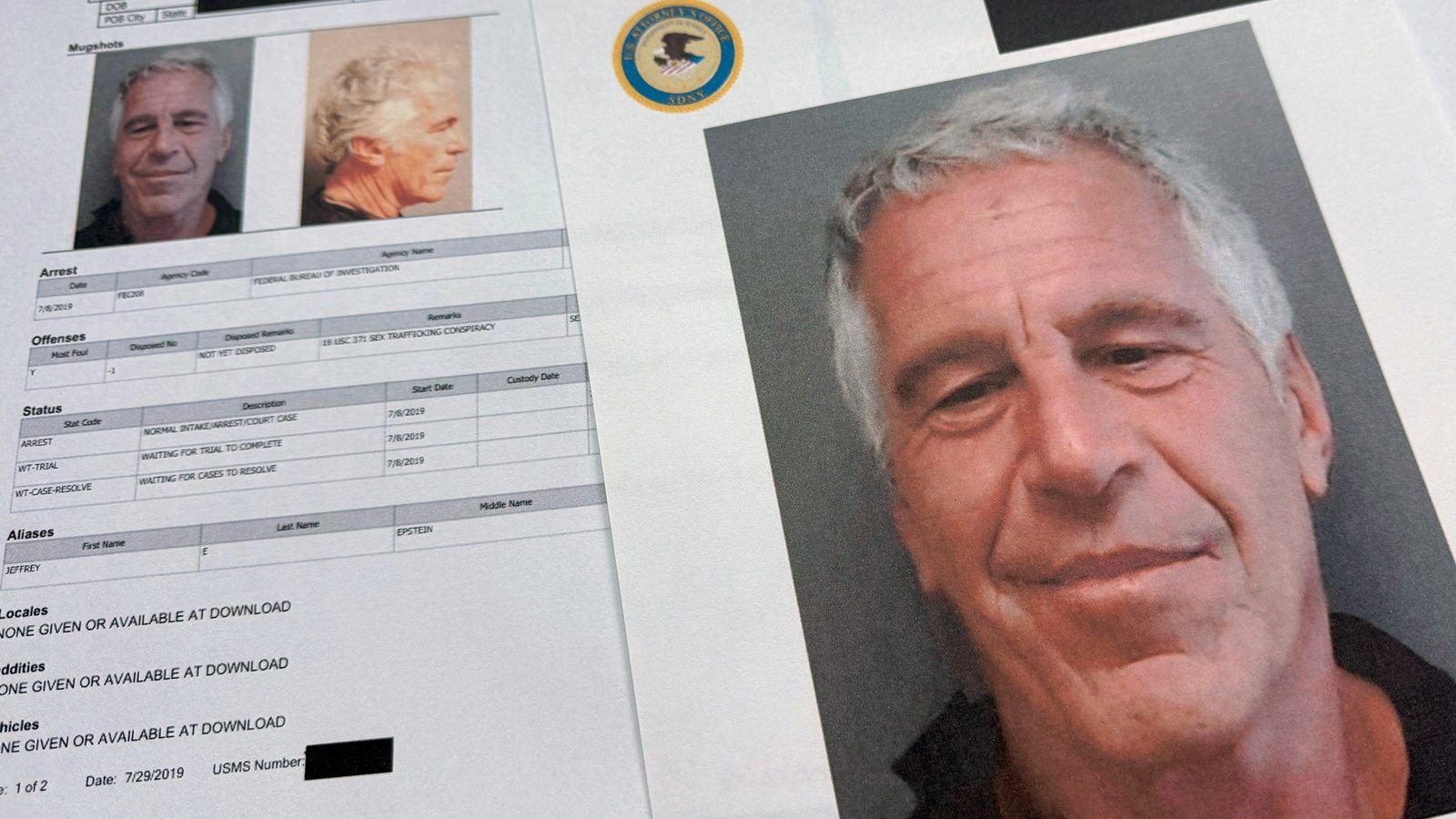
Newly unearthed communications between Jeffrey Epstein and former U.S. Virgin Islands Governor Albert Bryan Jr. expose a relationship that went far beyond typical political donor glad-handing. This wasn't just a wealthy man seeking a tax break; it was the systematic acquisition of state machinery by a registered sex offender who used a Caribbean territory as his private, protected fiefdom. For years, the public narrative suggested that local officials were simply negligent or asleep at the wheel. The leaked messages tell a darker story of active intervention, where the highest office in the territory functioned as a concierge service for a predator's business interests and personal legal shield.
The evidence points to a specific, transactional quid pro quo that turned the U.S. Virgin Islands (USVI) into a safe harbor for Epstein's activities long after his 2008 conviction in Florida. By leveraging his massive wealth and the promise of "philanthropic" investment, Epstein secured direct access to Governor Bryan, bypasssing standard regulatory hurdles and ensuring his multi-million dollar tax incentives remained untouched despite his status as a pariah elsewhere.
The Governor as a Private Fixer
The mechanics of this influence were surprisingly mundane yet devastatingly effective. In the leaked exchanges, the tone is one of casual familiarity. Epstein didn't beg for favors; he suggested them, and the Governor’s office moved to execute. When legal or administrative roadblocks emerged regarding Epstein’s tax-benefit status through the Economic Development Authority (EDA), Bryan didn't just facilitate meetings—he personally managed the friction.
This level of intervention is rare in any jurisdiction, let alone one supposedly governed by the oversight of the United States. The Governor’s role shifted from public servant to a private fixer. In one instance, the Governor worked to ensure Epstein’s entities continued to receive massive tax breaks, even as the financier’s background became a global lightning rod for controversy. This was an intentional choice to prioritize one man's capital over the integrity of the territory’s legal and ethical standards.
The financial incentive for the USVI was clear on the surface. Epstein’s companies were funneling money into the local economy, or at least the appearance of it. But the deeper reality involved a "pay-to-play" ecosystem where Epstein’s donations to local causes and political campaigns acted as a down payment for immunity. He wasn't just a resident; he was an unofficial architect of policy regarding high-net-worth individuals in the islands.
Infrastructure of a Shadow State
To understand how this happened, you have to look at the fragility of the USVI’s economic model. The territory has long relied on attracting wealthy "investors" through the EDA program, which offers 90% reductions in corporate and personal income taxes. For a man like Epstein, this wasn't just about saving money. It was about creating a dependency.
He made himself indispensable to the local treasury. By the time Governor Bryan took office, Epstein had already woven himself into the fabric of the islands' elite. The leaked messages show that when Epstein faced pressure from federal authorities or banking institutions, he looked to the Governor’s office to provide a veneer of local legitimacy.
The strategy was simple.
- Use wealth to gain a seat at the table.
- Fund the right political ambitions.
- Call in those favors when the law starts circling.
Bryan’s defense has often been that he was merely doing his job to promote economic development. That argument falls apart when you see the specifics of the intervention. A governor does not typically spend personal political capital to smooth over the administrative grievances of a convicted sex offender unless there is a deeper, unstated obligation.
The Banking Wall and the Political Solution
One of the most revealing aspects of the leaked communications involves Epstein’s struggle to maintain banking relationships. As major institutions like JPMorgan Chase began to flag his accounts, Epstein needed a friendly regulatory environment to move his money. He sought to create his own bank in the USVI—Southern Trust Company.
The approval of Southern Trust required the Governor’s signature and a degree of legislative maneuvering that would usually take years. Under Bryan’s watch, the process was greased. The messages indicate that the Governor’s team was willing to help Epstein bypass the very safeguards designed to prevent money laundering and financial crimes.
This was the ultimate prize for Epstein. With his own licensed financial entity in a U.S. territory, he could bypass the scrutiny of New York or London banks. He was building a fortress. The Governor’s willingness to assist in this specific endeavor shows a total collapse of the "economic development" excuse. This wasn't about jobs for Virgin Islanders; it was about providing a global predator with a private financial laundry.
Beyond the Virgin Islands
The failure here isn't just a Caribbean one. It is a failure of Federal oversight. The USVI operates under the jurisdiction of the U.S. Department of the Interior, yet for decades, Epstein was allowed to operate a shadow government in plain sight. The leaked messages are the "smoking gun" that proves the corruption was not passive. It was a partnership.
While the USVI government eventually sued the Epstein estate and reached a $105 million settlement, that money cannot erase the fact that the state's machinery was rented out to a man who used it to facilitate a decades-long criminal enterprise. The settlement looks less like justice and more like a "silence fee" intended to bury the extent of the political involvement before more names surfaced in open court.
The real cost of this intervention is the erosion of trust in the rule of law. When a governor acts as a personal advocate for a billionaire criminal, the message to the public is that the law is a flexible suggestion for those with enough zeros in their bank account. The leaked messages didn't just reveal a scandal; they provided a blueprint for how a private citizen can effectively annex a government.
The Pattern of Complicity
We often look for a single, dramatic moment of corruption—a briefcase full of cash or a recorded bribe. In the case of Bryan and Epstein, the corruption was systemic and professional. It was found in the CC’d emails, the "checking in" texts, and the quiet pressure applied to mid-level bureaucrats who were told to look the other way.
This is how modern influence works. It doesn't happen in dark alleys. It happens in the Governor’s mansion over cocktails and through "strategic partnerships" that benefit the politician’s resume as much as the donor’s bottom line. The leaked files show a man who knew exactly which buttons to push, and a Governor who was all too happy to let him push them.
The narrative that Epstein "fooled" everyone is a lie. The messages prove he didn't have to fool them. He just had to make it worth their while. The intervention wasn't a mistake or a lapse in judgment; it was a business decision.
To prevent this from happening again, the oversight of U.S. territories needs a radical overhaul. The current system allows for a "blind spot" where local leaders can trade sovereign favors for personal or political gain with very little risk of federal interference. Until the Department of Justice and the Department of the Interior start treating territorial corruption with the same weight as domestic state-level crimes, the next Epstein is already scouting his island.
Demand a full, independent audit of every EDA tax benefit granted during the Bryan administration to see how many other "investors" are currently buying the same level of access.