The smoke rising over the Alborz Mountains this weekend marks more than just the physical destruction of Iranian military infrastructure. It signals the absolute collapse of a decade of high-stakes shadow boxing. By Sunday morning, the streets of Tehran were a landscape of contradictions: silent, soot-covered government districts contrasted with pockets of jubilant, if terrified, civilians wondering if the "world's number one sponsor of terror" had finally met its match—or if they were merely transitioning from one form of chaos to another.
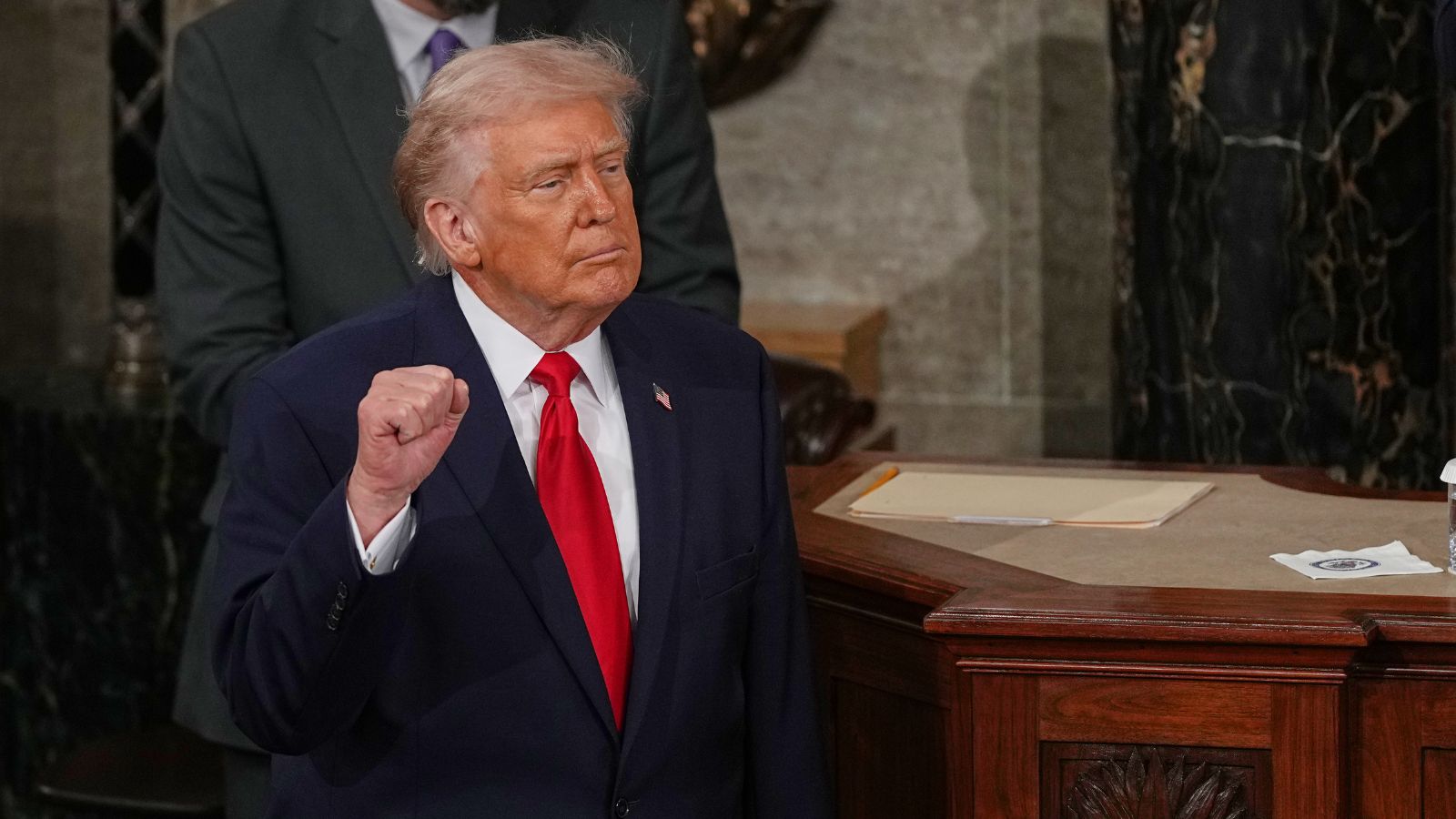
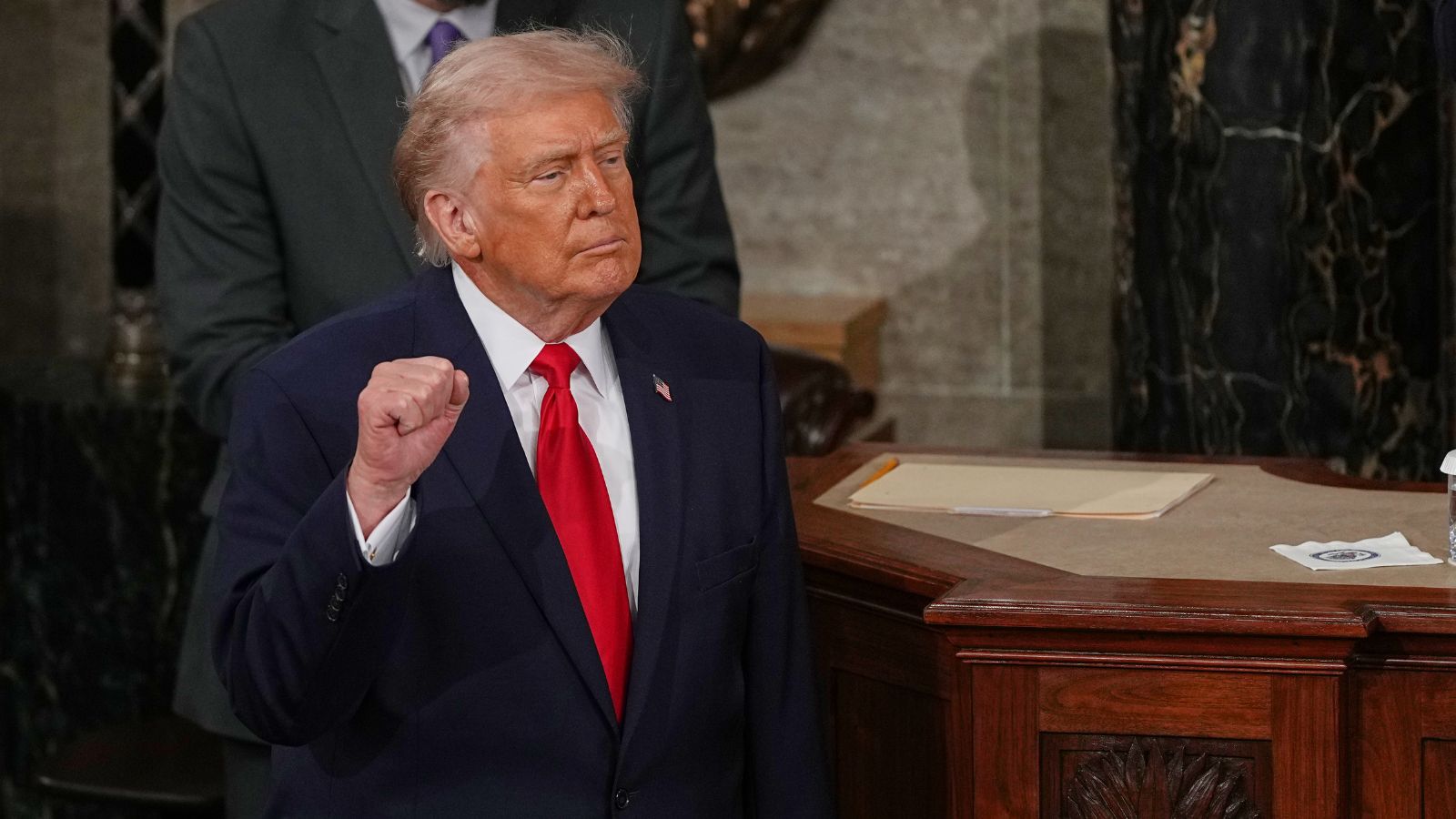
On February 24, 2026, during a State of the Union address that felt like a formal declaration of intent, Donald Trump used his favorite descriptor for the Islamic Republic. He called them the "world's number one sponsor of terror" by a massive margin. It was a rhetorical flare he has fired for years, but this time, it was backed by the weight of Operation Epic Fury. This wasn't the targeted strike of 2020 or the limited engagements of 2025. This was a systematic attempt to decapitate the regime's command structure while simultaneously calling for its citizens to "take back their country."
The Intelligence Gap and the Nuclear Ghost
The fundamental tension driving this escalation isn't just about ideology; it is about a terrifying lack of visibility. When the U.S. withdrew from the Joint Comprehensive Plan of Action (JCPOA) in 2018, it didn't just scrap a deal—it blinded the international community. For years, the International Atomic Energy Agency (IAEA) had physical eyes on the ground. Once those inspectors were expelled, the West was forced to rely on satellite imagery and signals intelligence to guess how close Tehran was to a "breakout" capacity.
By early 2026, the consensus in Washington and Jerusalem shifted from "monitoring" to "imminent." Reports suggested that despite the 2025 strikes, Iran had successfully moved its enrichment activities into deeper, more hardened facilities like Fordow. The "Big Lie" Tehran constantly cites—that its program is purely for medical and energy purposes—became impossible for Western intelligence to verify or believe.
The tragedy of the current bombardment is that it follows a week where diplomacy actually seemed to be breathing. Foreign Minister Abbas Araghchi had been in Geneva, reportedly offering a "freeze" on uranium enrichment in exchange for the lifting of secondary sanctions. But the Trump administration’s "Maximum Pressure 2.0" left no room for nuance. The White House demanded a total dismantling, not a freeze. To the veteran analyst, this looks less like a failed negotiation and more like a pre-textual one. You don't ask for total surrender when you expect a deal; you ask for it when you've already fueled the bombers.
The Digital Uprising and the Starlink Factor
If the kinetic war is being fought with F-35s and ballistic missiles, the civil war is being fought on smartphones. Since the January 2026 protests erupted across Sistan and Baluchestan and spread to the capital, the regime has relied on its old playbook: total internet blackouts.
However, the technology landscape has shifted. The widespread, albeit illicit, use of Starlink terminals has created a "shadow web" that the Revolutionary Guard’s censors cannot easily kill. This digital leak has allowed protesters to coordinate in real-time and, more importantly, to send high-definition proof of the crackdown to the outside world. This is why the rhetoric from the White House shifted so sharply toward regime change in mid-February. When the world can see the "blood on the streets" in 4K, the political cost of military intervention drops significantly.
The Axis of Resistance and the Proxy Trap
Tehran’s defense strategy has never been about winning a head-to-head dogfight with the United States. It is about making the cost of victory unbearable. This is the "proxy trap." As Operation Epic Fury unfolded, the response was immediate and multi-directional.
- Hezbollah: Launched a coordinated rocket barrage into northern Israel.
- The Houthis: Targeted commercial shipping in the Red Sea with renewed intensity, using advanced anti-ship cruise missiles.
- The PMF in Iraq: Conducted drone strikes against U.S. assets at Al-Asad Airbase.
This is the "sponsor of terror" model in action. By diversifying its lethality, Iran ensures that a strike on Tehran is felt in Beirut, Baghdad, and Sana'a. The regime's bet is that the American public, despite the tough talk from the Oval Office, has no appetite for a multi-front regional war that sends oil prices to $150 a barrel.
The Economic Death Spiral
Inside Iran, the "Big Lie" isn't about nuclear physics; it’s about the economy. The rial has effectively lost all utility as a store of value. Even before the bombs fell, the country was suffering from daily rolling blackouts. A nation sitting on some of the world's largest energy reserves couldn't keep its own lights on.
The regime blames "economic terrorism" from the U.S., but the reality is a lethal mix of systemic corruption and the massive diversion of funds to regional militias. When a citizen in Qazvin sees their life savings evaporate while the IRGC sends millions to groups in Lebanon, the "terrorist" label starts to resonate domestically as much as it does in Washington.
| Metric | 2020 Figure | 2026 Estimate (Post-Strike) |
|---|---|---|
| Inflation Rate | 40% | 110%+ |
| Daily Oil Exports | 400,000 bpd | <150,000 bpd |
| Uranium Enrichment Level | 4.5% | 90% (Breakout capability) |
| Internet Freedom Index | 15/100 | 2/100 |
The Myth of the Controlled Escalation
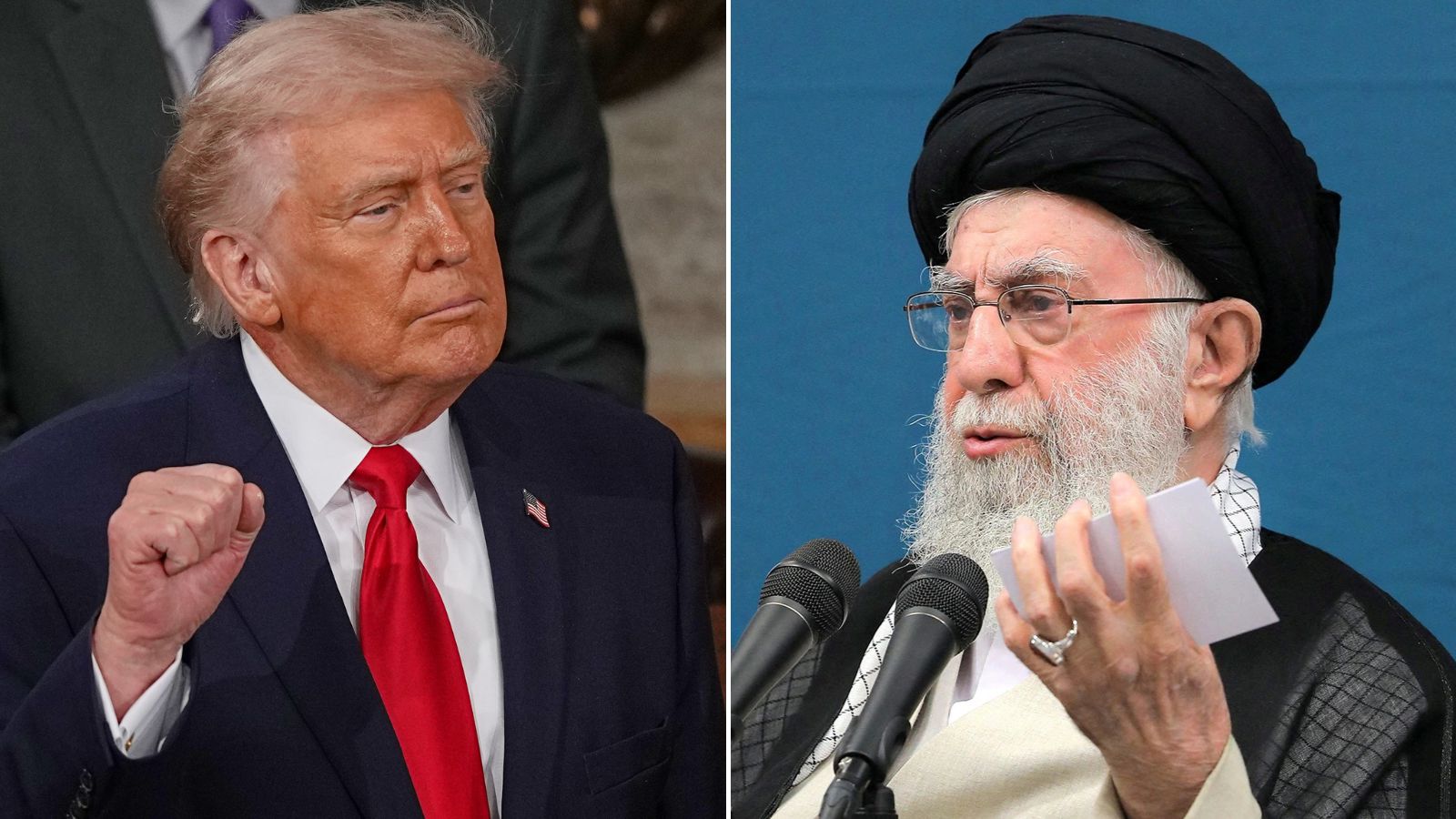
The most dangerous assumption in the current crisis is that either side can control the "ladder of escalation." Trump’s team believes that by killing the leadership—unconfirmed reports still swirl regarding the fate of the Supreme Leader—the system will collapse like a house of cards. History suggests otherwise. Ideological regimes often become more erratic, not less, when the center of gravity is removed.
We are currently in a "grey zone" where the old rules of engagement have been shredded. The U.S. has moved beyond containment and into active displacement. Iran has moved beyond proxy warfare and into direct, desperate retaliation.
The "Big Lie" is that there is a clean version of this war. There is no surgical strike that removes a nuclear program without poisoning the regional geopolitical soil for the next half-century. As the smoke clears over Tehran, the question isn't whether the "world's number one sponsor of terror" has been crippled. The question is what rises from the vacuum. If the West thinks a post-IRGC Iran will automatically be a Jeffersonian democracy, they haven't been paying attention to the last thirty years of Middle Eastern history.
The machines of war are currently doing the talking, but the silence that follows will be far more dangerous.
Would you like me to analyze the specific impact of the 2026 Starlink "shadow web" on the Iranian protest movements?