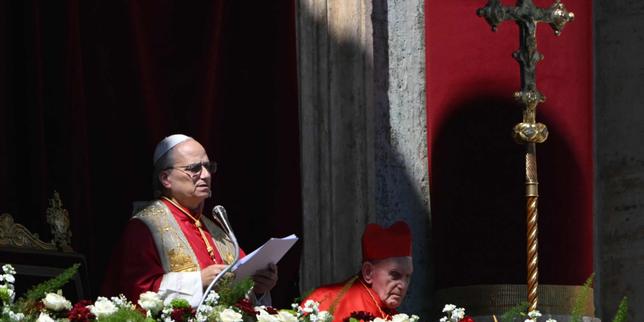
The Urbi et Orbi blessing is a choreographed exercise in strategic irrelevance. Every Easter, the world stops to watch a man in white robes stand on a balcony and ask people who profit from slaughter to simply stop doing it. We call it moral leadership. In reality, it is a sedative that prevents us from addressing the cold, hard mechanics of why wars actually start and, more importantly, how they truly end.
The lazy consensus suggests that "choosing peace" is a matter of willpower or moral awakening. It isn't. Peace is a market condition. It is the result of exhausted resources, shifted incentives, or total dominance. By framing war as a failure of the heart rather than a calculation of the state, the Vatican inadvertently provides a smoke screen for the very actors it seeks to condemn.
The Myth of the Moral Choice
When Pope Leo XIV addresses "those who have the power to trigger wars," he is speaking to an audience that does not exist. No single person "triggers" a modern war based on a whim that can be corrected by a sermon. Wars are the output of systemic pressures: demographic shifts, resource scarcity, and the "security dilemma" identified by Robert Jervis.
In the security dilemma, one state’s quest for security is inherently seen as a threat by another. No amount of "choosing peace" resolves the structural fear of an encroaching neighbor. When the Church calls for an immediate ceasefire without addressing the underlying security architecture, it isn't promoting peace; it is promoting a "frozen conflict."
Frozen conflicts are just wars on pause. They allow aggressors to retool, regroup, and wait for a more opportune moment to strike. I have watched diplomatic circles burn through decades of "peace processes" that were nothing more than glorified PR campaigns for regimes that had no intention of laying down arms. We mistake the absence of noise for the presence of peace.
The High Cost of Cheap Forgiveness
The competitor narrative clings to the idea that "negotiation is not surrender." While semantically true, this ignores the brutal reality of leverage. In the real world, if you negotiate from a position of weakness because a moral authority told you to "stop the bloodshed," you aren't achieving peace. You are managing your own defeat.
The Problem with Humanitarian Neutrality
- Neutrality rewards the aggressor: By treating both sides as equal recipients of a "plea for peace," the Church removes the moral distinction between the invader and the invaded.
- It ignores the "Sunk Cost" of Sovereignty: Nations that have lost thousands of lives cannot simply "choose peace" without achieving the objectives those lives were sacrificed for. To do so would trigger internal collapse.
- The Vatican’s lack of Skin in the Game: It is easy to demand a ceasefire when your own borders aren't being redrawn by heavy artillery.
Real peace is expensive. It requires the credible threat of force (deterrence) or the absolute depletion of an enemy's ability to resist. The Papal approach treats war like a misunderstanding between friends. It is actually a competition for survival.
Dismantling the People Also Ask Fallacy
Most people ask: "Why can't world leaders just listen to the Pope?"
The honest, brutal answer is that world leaders serve their domestic interests, not a global moral compass. A leader who "chooses peace" at the cost of national security is a leader who gets deposed. If a CEO made decisions based on the poetic beauty of an Easter speech rather than the balance sheet, they’d be fired by Monday. Why do we expect the architects of geopolitics to operate on a lower standard of pragmatism?
Another common query: "Does Papal intervention save lives?"
Short term? Occasionally. Long term? It’s debatable. By advocating for "peace at any price," you often extend the duration of a regime's oppression. Imagine a scenario where a revolution against a genocidal dictator is halted because of an international plea for "non-violence." The dictator stays. The torture continues in silence. The "peace" is a graveyard.
The Mechanics of a Sustainable Peace
If we want to actually end wars, we need to stop looking at the balcony in Rome and start looking at the supply chains in Shenzhen and the bank accounts in Zurich. Peace is built on three pillars that have nothing to do with Easter blessings:
- Overwhelming Deterrence: War happens when one side thinks they can win quickly and cheaply. Peace happens when they realize they will lose everything.
- Economic Integration: It is harder to bomb a country when your own pension fund is invested in their infrastructure.
- The Resolution of Grievances: Not through "forgiveness," but through the hard, ugly work of border treaties and resource-sharing agreements that both sides hate but can live with.
The Church’s focus on the "power of prayer" and "moral appeal" is a distraction from the power of the secondary boycott and the tactical reality of the battlefield. It’s an old-world solution for a multi-polar, high-tech era of attrition.
Stop Praying for Peace and Start Pushing for Stability
Stability is boring. It doesn't make for good headlines or moving televised addresses. But stability is what keeps people alive. Stability comes from clear-eyed realism, not hopeful idealism.
The danger of the Papal narrative is that it makes the public feel like they’ve "contributed" by nodding along to a message of hope. This moral masturbation does nothing for the medic in a trench or the family in a basement. It actually creates a vacuum where real political pressure should be. Instead of demanding our governments provide the specific military or economic tools to end a conflict decisively, we settle for the vague comfort of a religious sentiment.
We need to stop asking leaders to "choose peace." It’s an empty phrase. We should be asking them to define the specific conditions under which peace becomes the most profitable and safest option for their survival.
War is a business of necessity. Peace must be made an even greater necessity. Until we stop treating conflict as a spiritual failing and start treating it as a structural defect, the Easter balcony will remain exactly what it is: a beautiful, hollow echo chamber for a world that isn't listening because it can't afford to.
Stop looking for a change of heart in men who have spent their lives hardening them. Look at the logistics. Look at the leverage. Everything else is just theatre.