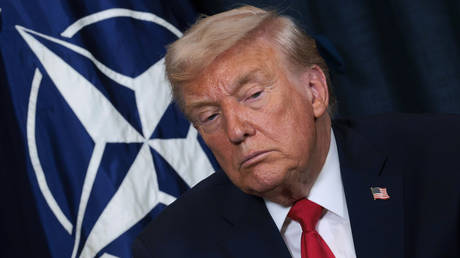
Pakistan's military leadership isn't just watching the American political theater from the sidelines. They're actively auditioning for a lead role. For Field Marshal Asim Munir, the return of Donald Trump to the White House isn't a diplomatic hurdle—it's a survival strategy. While the rest of the world braces for "America First" volatility, Rawalpindi is banking on the idea that a transactional president is exactly what a bankrupt, politically fractured Pakistan needs.
The logic is simple, if a bit desperate. Trump likes deals. Munir needs them. Whether it’s mineral rights, crypto-collaborations, or acting as a middleman for Iran, the Pakistani military is throwing everything at the wall to see what sticks.
The Flattery Offensive and the Nobel Gambit
You've probably seen the headlines about Munir being called Trump’s "favorite field marshal." It sounds like a punchline, but it’s the result of a calculated charm offensive that would make a courtier blush. After the brief, terrifying four-day conflict with India in May 2025, Pakistan didn't just accept a ceasefire; they credited Trump with saving "millions of lives."
They even went as far as nominating him for the Nobel Peace Prize.
It’s easy to roll your eyes at the sycophancy, but look at it from Munir's perspective. India, under PM Modi, has grown increasingly "sullen" toward Trump’s meddling in regional affairs, preferring to handle bilateral tensions without a loud American presence. By leaning into Trump’s ego, Munir has carved out a space that India vacated. He’s essentially telling Trump, "The other guys don't appreciate your genius, but we do."
Trading Rocks for Recognition
The relationship isn't just built on kind words. It’s built on "strategic handshakes" involving things buried deep in the ground. Pakistan is sitting on massive deposits of copper, antimony, and rare earth elements—the literal building blocks of the modern tech economy.
By signing a $500 million deal with American firms like USSM, Munir is tying Pakistan's stability to U.S. industrial interests. It’s a clever move. If American companies have skin in the game in Balochistan or Waziristan, the U.S. government is less likely to walk away when things get messy.
Why the Mineral Deal Matters
- Diversification: It moves the relationship away from purely "war on terror" funding, which has dried up.
- Counter-China: It gives the U.S. an alternative to Chinese-controlled supply chains for critical minerals.
- Leverage: It provides the Pakistani military with a fresh stream of revenue that doesn't rely on the whims of a hesitant U.S. Congress.
The Ghost in the Room: Imran Khan
There’s a massive elephant in this particular room, and its name is Imran Khan. For years, Khan’s supporters—the PTI faithful—believed that Trump would be their savior. They remembered the "great chemistry" between the two men during Trump’s first term. They hoped a Trump victory in 2024 would mean a phone call to Rawalpindi demanding Khan’s release from jail.
That call hasn't come.
Instead, Trump has leaned into his relationship with the man who put Khan behind bars. It’s a cold lesson in realpolitik. Trump doesn't care about democratic ideals or the plight of a "friend" who's no longer in power. He cares about who can deliver results today. Right now, that’s Asim Munir. By positioning himself as a reliable partner in counter-terrorism and a mediator with Iran, Munir has made Khan an afterthought in Washington.
The Iran Tightrope
As of March 2026, Pakistan is attempting its riskiest move yet: brokering peace talks between the U.S. and Iran. With the war entering its second month, Munir has been on the phone with Trump, while PM Shehbaz Sharif talks to Tehran.
This isn't just about being a "good neighbor." Pakistan is starving for energy. Most of its oil and gas comes through the Strait of Hormuz. The war is killing their economy. If Munir can actually facilitate a de-escalation, he doesn't just save his country's power grid—he makes himself indispensable to the Trump administration.
What Happens if the Deal Fails?
The risks here are astronomical. Trump’s "America First" policy is a double-edged sword. While he’s happy to praise a "favorite field marshal" today, he’s just as likely to slap a 25% tariff on Pakistan tomorrow if they do too much business with Iran.
The Pakistani military is playing a high-stakes game of poker with a deck that's missing a few cards. They’re betting that transactional diplomacy can replace a stable, long-term strategic partnership. If it works, Munir secures his legacy and keeps the Pakistani economy on life support. If it fails, Pakistan finds itself isolated, broke, and stuck between an angry Washington and an even angrier Beijing.
If you're tracking this, watch the Reko Diq project and the progress of the Iran mediation talks. Those aren't just news items; they're the barometers for whether Munir’s Trump-centric gamble is actually paying off. Don't expect any sudden moves on the Imran Khan front either—as long as the "strategic handshake" stays firm, the status quo in Rawalpindi isn't changing.