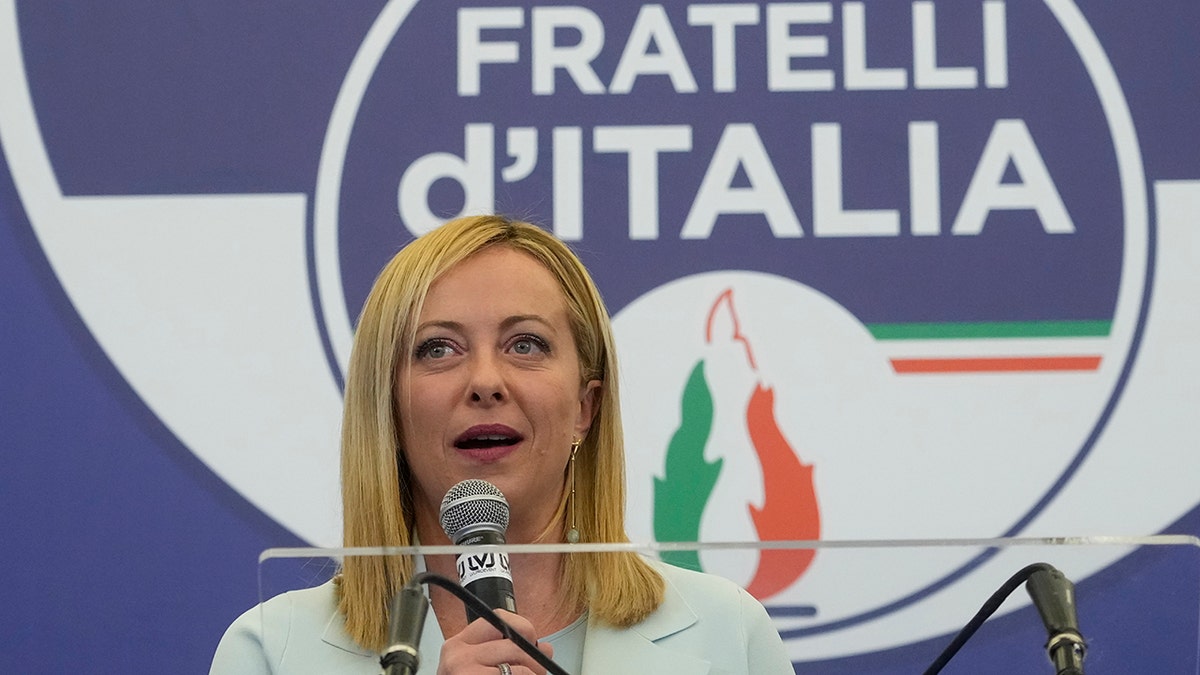
Giorgia Meloni thought she could fix the revolving door of Italian politics with a single stroke of a pen. It’s a bold move. Maybe too bold. For decades, Italy has swapped prime ministers faster than most people change their oil. We're talking 68 governments in 79 years. That’s not a democracy; it’s a merry-go-round. Meloni’s proposed "Premiership" reform aims to change that by allowing voters to directly elect the prime minister. On paper, it sounds like giving power back to the people. In reality, it’s a high-stakes gamble that could strip away the vital checks and balances that keep Italian democracy from veering into autocracy.
The problem isn't just the policy. It's the ghost of Matteo Renzi. Back in 2016, Renzi tied his entire political career to a constitutional referendum. He lost. He resigned. The country spiraled. Meloni is now walking that same tightrope, and the wind is picking up. If she pushes this to a public vote and loses, her "Iron Lady" persona won't just be dented. It’ll be shattered.
The Problem with Direct Election
Italy’s current system is a parliamentary one. The President of the Republic acts as a referee, picking a prime minister who can actually hold a majority together. It’s messy. It's frustrating. But it works because it forces compromise. Meloni wants to replace this with a "strongman" model—or "strongwoman" in her case.
Under her plan, the winning candidate would automatically get a 55% majority in parliament. Think about that. You could win with a plurality of the vote but get total control of the legislature. This isn't just a tweak. It’s a fundamental rewiring of the state. Critics call it "elective premiership," but many constitutional experts are calling it a recipe for disaster.
The President of the Republic, currently the highly respected Sergio Mattarella, would be turned into a figurehead. The referee would lose his whistle. If the Prime Minister has a direct mandate from the people and a guaranteed majority, who stops them when they overreach? That’s the question haunting Rome right now.
Why Meloni is Doubling Down
You have to understand the pressure she's under. Meloni's Brothers of Italy party rose from the fringes by promising stability. Her supporters don't want more backroom deals or technocratic governments led by bankers like Mario Draghi. They want the person they voted for to actually stay in office for five years.
She's betting that Italians are so tired of the "palace games" in Rome that they'll vote for any change, even a risky one. It’s a populist play. She’s framing this as "The Mother of All Reforms." If she wins, she becomes the most powerful leader in the history of the Italian Republic. If she loses, she joins the long list of Italian leaders who flew too close to the sun.
But the timing is terrible. Italy is facing a stagnant economy, a shrinking population, and massive debt. Spending political capital on a constitutional fight instead of bread-and-butter issues is a classic mistake. I’ve seen this before. Leaders get obsessed with the "rules of the game" when the players are starving on the field.
The Opposition is Finally Waking Up
For a long time, the center-left opposition in Italy was a disorganized mess. They couldn't agree on what day of the week it was, let alone how to fight Meloni. But this referendum threat is acting like a shot of adrenaline. Elly Schlein, leader of the Democratic Party, has found a rallying cry.
The opposition isn't just arguing about legal technicalities. They're painting Meloni as a budding authoritarian. They're reminding voters of Italy’s dark history with "strong" leaders. It’s a powerful narrative. Protests are becoming more frequent. The "hands off the constitution" posters are starting to line the streets of Milan and Naples.
The coalition Meloni leads is also showing cracks. Her allies, Matteo Salvini of the League and the remnants of Forza Italia, aren't exactly thrilled about making Meloni more powerful. They’re playing along for now, but in Italian politics, your "friends" are usually the ones holding the knife behind your back.
What Happens if the Referendum Fails
If this goes to a national vote—which it likely will, since Meloni lacks the two-thirds parliamentary majority to pass it outright—the stakes are absolute.
A "No" vote doesn't just stop the reform. It delegitimizes her entire government. In Italy, referendums aren't just about the question on the ballot. They’re a temperature check on the sitting Prime Minister. If the public rejects her vision for the state, her authority within her own coalition will evaporate overnight.
We saw this with Renzi. He thought he was untouchable. He thought the youth would back him. He was wrong. Meloni is banking on a different demographic—the conservative heartland—but even they are fickle when inflation eats their savings.
How to Track the Real Impact
Don't just watch the polls. Watch the bond markets. Investors hate uncertainty, and a constitutional crisis in the eurozone's third-largest economy is the definition of uncertainty.
- Watch the BTP-Bund Spread: This is the gap between Italian and German bond yields. If it starts climbing, it means the world is getting nervous about Meloni’s stability.
- Monitor the President’s Speeches: Sergio Mattarella is subtle. He won't attack Meloni directly, but his defenses of the "parliamentary balance" are clear warnings.
- Follow the Local Elections: These are the true bellwethers. If Meloni’s party starts losing ground in regional votes, the referendum is likely doomed.
The smart move for any observer is to ignore the rhetoric about "efficiency" and look at the power dynamics. Meloni is trying to trade the flexibility of the Italian system for the illusion of strength. It's a trade that rarely ends well in European politics.
Stop looking at this as a simple legal change. It’s a survival play. If you're following Italian politics, start looking for the exit ramps Meloni might take to avoid a total collapse. She might try to water down the reform or delay the vote. If she doesn't, we're looking at a summer of political chaos that could reshape the European Union’s third-largest power for a generation.