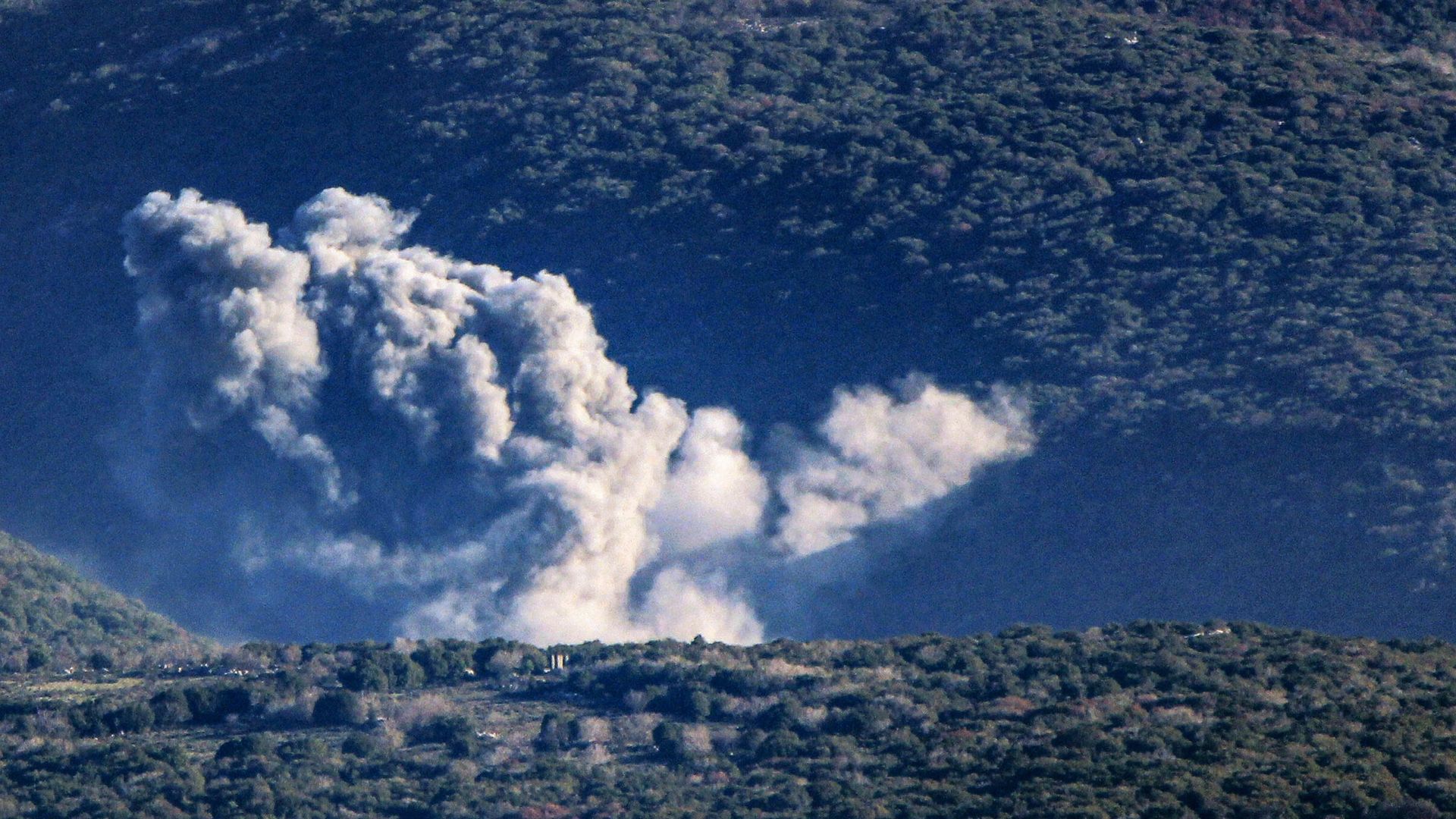
The American executive branch has finally shed the last of its constitutional inhibitions. Over the weekend, the United States joined Israel in a sweeping military campaign across the Iranian plateau that has effectively decapitated the Islamic Republic’s leadership, including Supreme Leader Ayatollah Ali Khamenei. While Republican leadership in Washington celebrates the "obliteration" of a long-standing adversary, the strikes have exposed a hollowed-out legislative branch that can no longer restrain the presidency. This is not merely a story about a weekend of fire and fury; it is the culmination of a decades-long erosion of the War Powers Act of 1973, leaving the White House with a de facto license to wage war by another name.
The Midnight Precedent
On Saturday, February 28, 2026, the White House bypassed the traditional requirement for a congressional declaration of war, relying instead on a cocktail of Article II "commander-in-chief" authorities and a classified interpretation of national self-defense. This operation, dubbed Operation Midnight Hammer, follows a blueprint established during the first Trump administration and refined throughout the 2025 escalation cycle.
The legal gymnastics are now familiar. By framing these strikes as "limited" and "defensive" measures to prevent an imminent nuclear breakout—despite reports from the Omani mediators that negotiations were making progress—the administration side-stepped the need for prior approval. This maneuver exploits a legal gray zone: if the executive claims the strikes are not "war in the constitutional sense," they argue they don't need the People's House to sign off.
A House Divided by Design
The reaction on Capitol Hill has been a study in practiced impotence. Senate Majority Leader John Thune and House Speaker Mike Johnson have championed the strikes as a necessary correction to decades of Iranian aggression. Their support isn't just about foreign policy; it’s a political endorsement of a strengthened presidency that operates outside the friction of legislative debate.
Conversely, the Democratic response has been fractured and largely toothless. While figures like Senator Tim Kaine and Representative Ro Khanna have decried the "illegal war of choice," the party’s leadership has often focused more on the lack of a briefing than the legality of the bombs. This procedural hand-wringing allows lawmakers to avoid the political risk of opposing a military "success" while still maintaining a veneer of constitutional concern.
- The Gang of Eight: Only a handful of top leaders were notified shortly before the missiles launched.
- The Intelligence Gap: Rank-and-file members are currently demanding access to the intelligence that supposedly proved an "imminent" Iranian threat.
- The Funding Loophole: Without a formal declaration, the administration can continue to pull from existing defense appropriations until Congress actively moves to cut off funding—a political impossibility in the current climate.
The Myth of Surgical Precision
The administration’s claim that the strikes "obliterated" Iran's nuclear program is already facing scrutiny. Similar claims were made after the June 2025 strikes, yet Iran's enrichment capabilities reportedly rebounded within months. The current campaign is vastly more ambitious, targeting not just centrifuges but the very structure of the Iranian state.
History suggests that "surgical" strikes against a nation of 85 million people are a myth. When the United States killed Qasem Soleimani in 2020, the justification was to "deter" future attacks. Instead, it led to a cycle of escalation that has now reached its logical, bloody conclusion. By killing the Supreme Leader, the U.S. has moved beyond deterrence and into the murky waters of state-sponsored regime change.
The Collapse of Oversight
The War Powers Act was designed to prevent exactly this scenario: a president unilaterally committing the nation to a major regional conflict. However, the law relies on a Congress willing to assert its power. Today, that assertion is missing. Even if a War Powers Resolution were to pass both chambers, it faces a certain veto. The two-thirds majority required to override that veto is a mathematical impossibility in a polarized Washington.
This legislative paralysis has transformed the U.S. military into an extension of executive whim. Analysts who have spent decades watching the "imperial presidency" grow note that the threshold for military intervention has never been lower. Whether it is the capture of Nicolás Maduro in Venezuela earlier this year or the current strikes on Tehran, the pattern is consistent: act first, notify later, and let the political fallout settle in the wake of the explosion.
The regional consequences are still unfolding. With state media in Tehran confirming the 40-day mourning period for Khamenei, the "Axis of Resistance"—stretching from Hezbollah in Lebanon to the Houthis in Yemen—is now a leaderless but heavily armed tiger. The White House gambles that the internal unrest in Iran, fueled by a collapsing Rial and months of protests, will lead to a pro-Western collapse. It is a high-stakes bet placed with the blood of others and the silence of a sidelined Congress.
Washington’s elite may argue over the "lack of approval," but the reality is simpler. The approval wasn't asked for because the executive branch no longer believes it is required. The checks and balances envisioned in Philadelphia have been traded for the speed and secrecy of the situation room. As the smoke clears over Tehran, the most significant casualty may not be the Iranian regime, but the American tradition of shared war-making power.
The Pentagon has already begun moving additional carrier strike groups into the Persian Gulf to "stabilize" the situation. This suggests that "Midnight Hammer" was not the end, but the opening salvo of a much longer, unauthorized engagement.