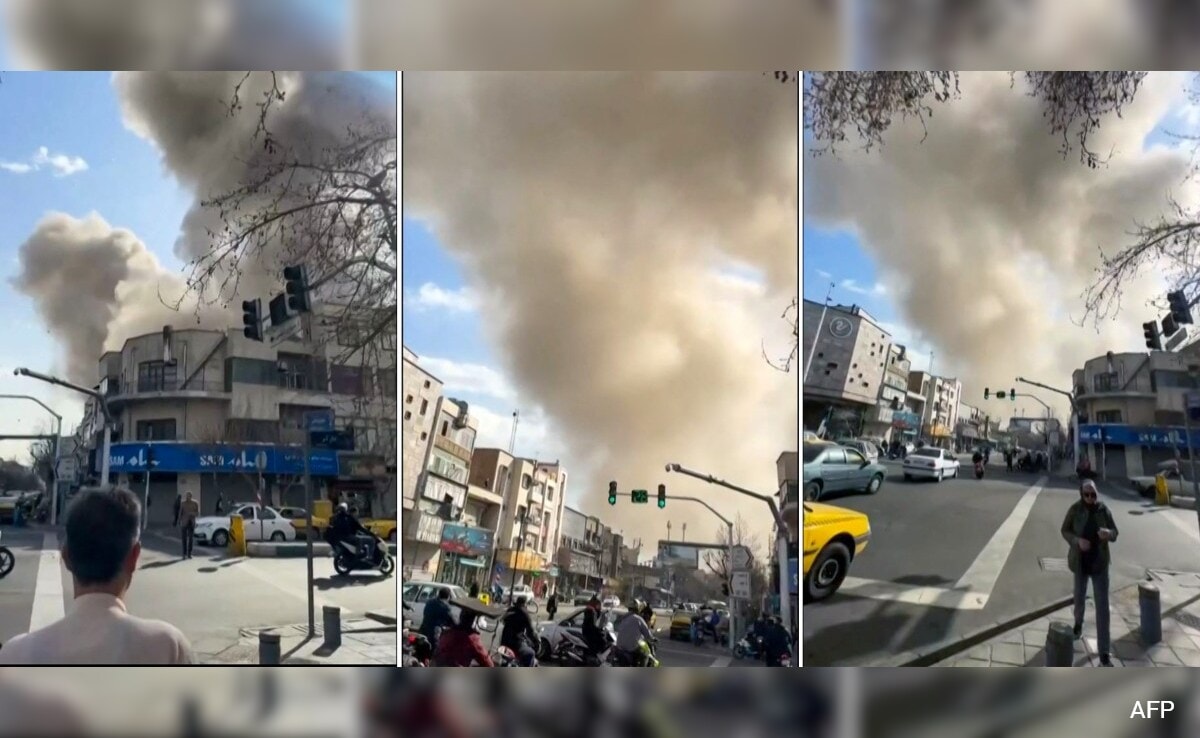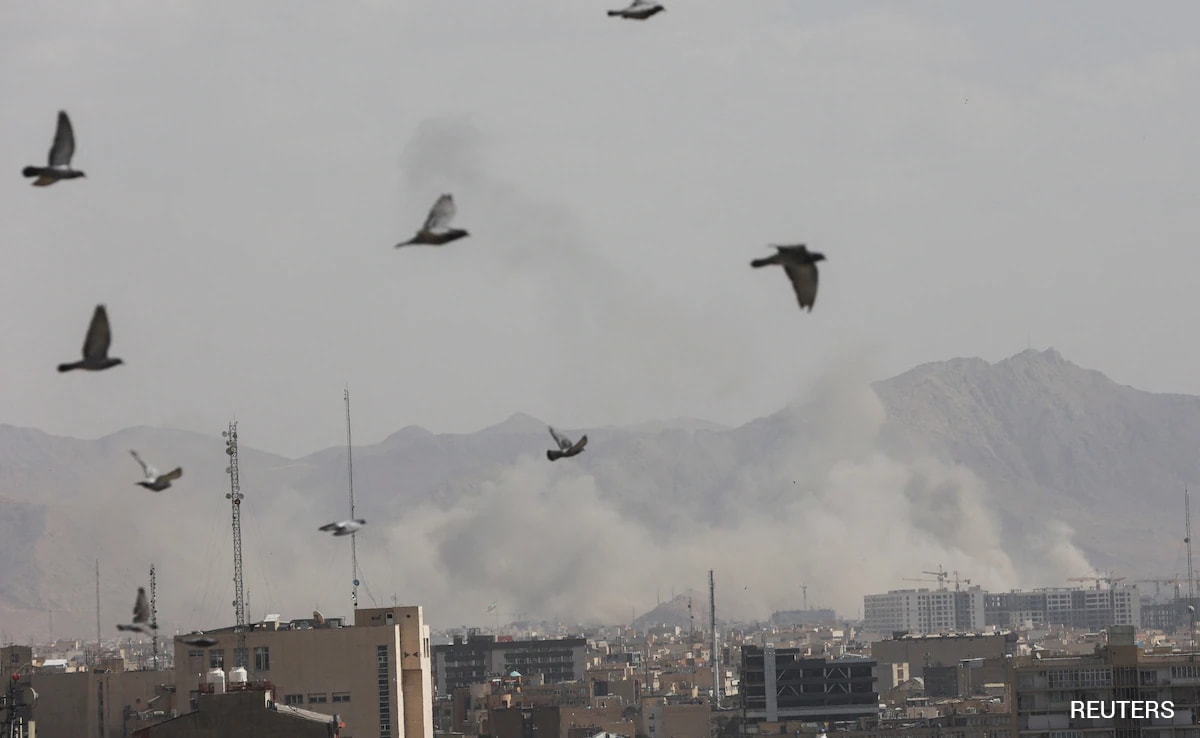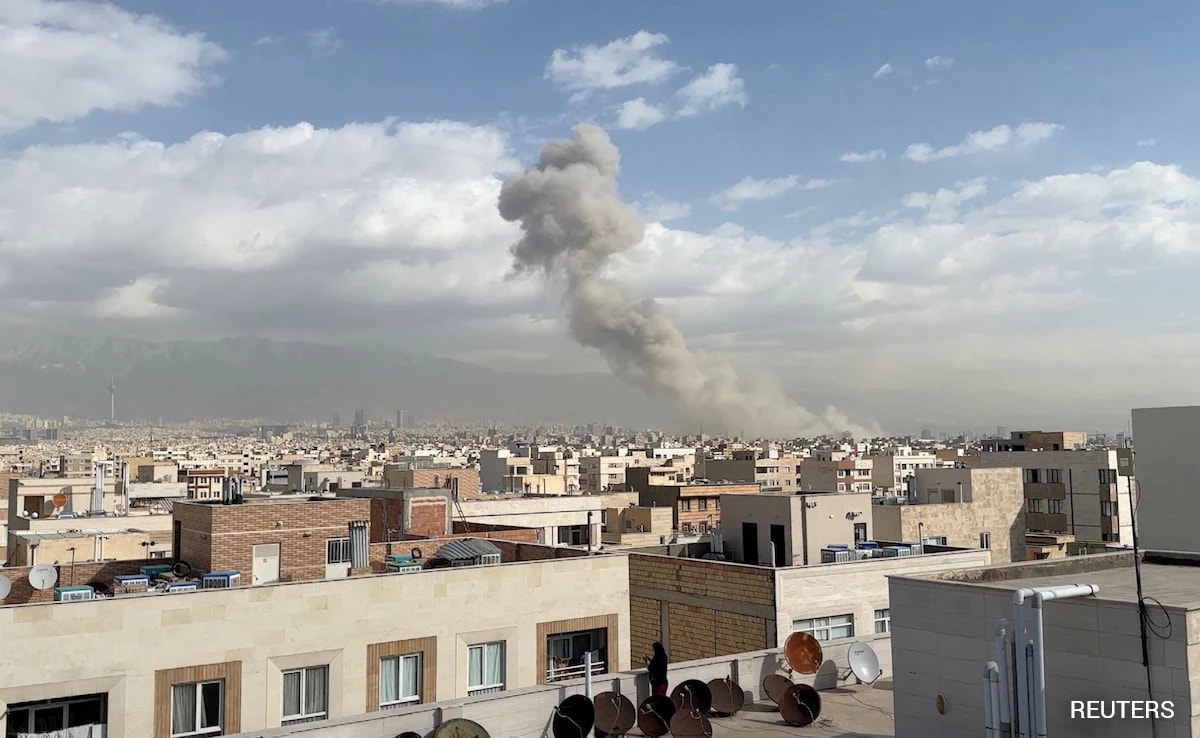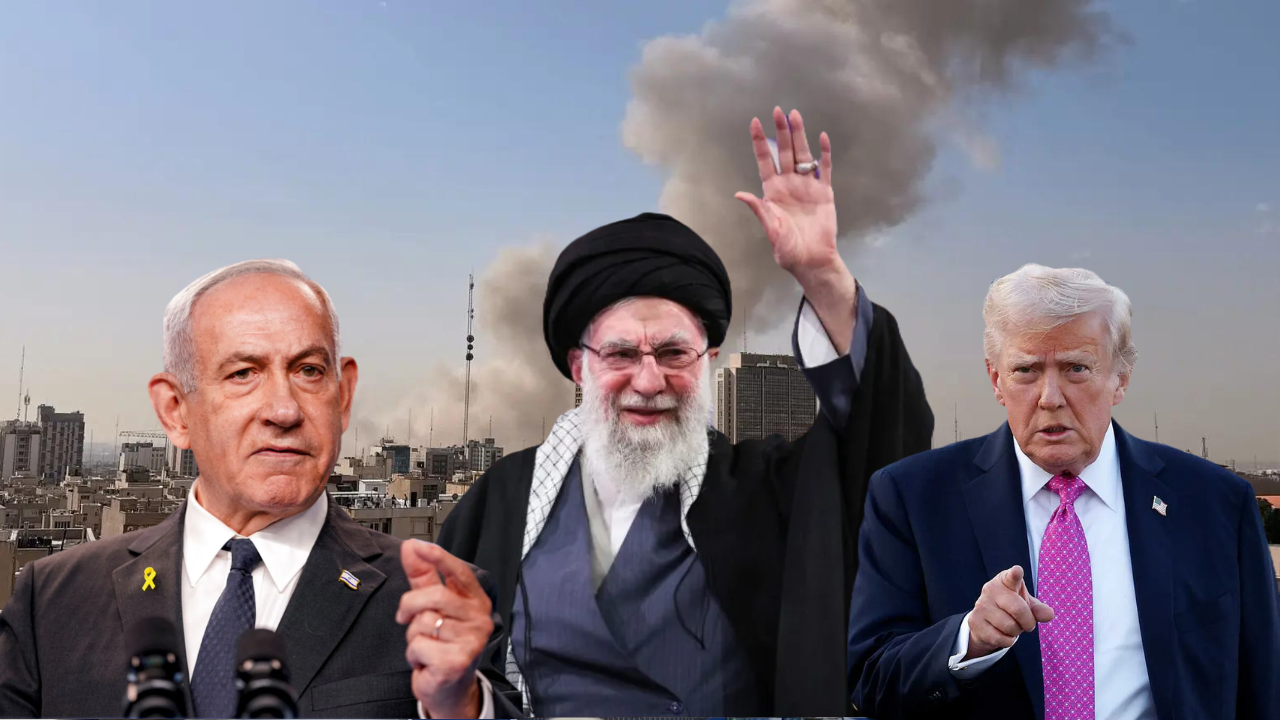
The pre-dawn silence in Tehran on February 28, 2026, didn’t just break; it evaporated. Under the cover of "Operation Epic Fury," a combined force of U.S. and Israeli assets executed a decapitation strike so precise it has effectively ended the forty-seven-year reign of the Islamic Republic’s current clerical structure. This was not a mere "warning shot" or a tactical degradation of nuclear facilities. It was an intentional, high-stakes gamble on forced regime change, confirmed by the death of Supreme Leader Ayatollah Ali Khamenei.
Within hours, the world’s carefully curated diplomatic scripts were shredded. While the White House describes the mission as a "pre-emptive necessity" to prevent a nuclear-armed Iran and a regional conflagration, the reality on the ground suggests we have already entered the very conflict the strikes were meant to avert. Iran’s immediate retaliation—showering U.S. bases in Qatar, the UAE, and Bahrain with ballistic missiles—has turned the Persian Gulf into a live-fire zone. Expanding on this idea, you can find more in: Why the Green Party Victory in Manchester is a Disaster for Keir Starmer.
The Mechanics of the Strike
This was a masterclass in modern, multi-domain warfare. The Pentagon utilized its new LUCAS (Low-cost Unmanned Combat Attack System) drones, essentially turning Iran's own "swarming" philosophy against it. These expendable, high-intelligence assets paved the way for B-2 stealth bombers and over 200 Israeli fighter jets to hit 500 targets in a single 24-hour window.
The most significant hit occurred in the Pasteur district of Tehran. Seven missiles struck the high-security compound where Khamenei resided. For hours, Iranian state media attempted to project a facade of "steadfastness," but the silence from the leadership was deafening. By the time President Trump posted to Truth Social that "Khamenei is dead," the ideological spine of the IRGC had already begun to crack. Analysts at NBC News have also weighed in on this matter.
A World Divided by Fear and Opportunism
The international reaction has been less of a unified chorus and more of a cacophony of panicked self-interest. The divide is no longer just East vs. West; it is a fracture between those who believe in the old "rules-based order" and those who have realized that force is the only remaining currency.
- The Enablers: Australia and Canada were among the first to offer full-throated support. Prime Minister Anthony Albanese framed the strike as a global service, arguing that a nuclear Iran was a non-starter for international safety.
- The Pragmatists: The "E3"—Britain, France, and Germany—found themselves in a familiar, uncomfortable middle ground. While they condemned Iran's retaliatory strikes on Arab neighbors, they pointedly noted they were "neither warned nor involved" in the initial assault. Their calls for "negotiated solutions" feel increasingly like artifacts from a bygone era.
- The Adversaries: Russia and China have predictably labeled the move a "premeditated act of aggression." For Moscow, this is a gift—a massive Middle Eastern distraction that drains U.S. resources and attention. For Beijing, it is a direct threat to the energy corridors that fuel their economy.
- The Victims of Geography: Perhaps the most telling reactions came from the Gulf states. Qatar and the UAE, long-time hosts of U.S. military hardware, are now paying the price for that hospitality. As Iranian missiles struck the Jebel Ali port in Dubai and Al Udeid Air Base in Qatar, these nations issued scathing condemnations of both sides, desperate to claw back some semblance of neutrality as their infrastructure burns.
The Intelligence Failure or The Intelligence Success?
Critics are already asking how we got here. Just forty-eight hours prior to the strikes, Omani mediators claimed a breakthrough in nuclear talks was imminent. Was the U.S. simply "unhappy" with the pace of negotiations, as the administration suggests, or was the diplomatic track a deliberate smoke screen?
Veteran analysts note that an operation of this scale—involving 1,200 munitions and months of coordination—cannot be "triggered" by a bad day at the negotiating table. The decision was likely solidified two weeks ago during Netanyahu’s quiet visit to Washington. The "imminent threat" justification used by the administration—citing "indicators" of a planned Iranian strike on U.S. targets—is a familiar refrain that will face intense scrutiny in a divided Congress.
The Street vs. The State
Inside Iran, the reaction is a volatile mix of "joy, shock, and disbelief." Despite a total internet blackout and the heavy presence of security forces, videos have leaked showing crowds toppling statues of Ruhollah Khomeini in southern cities. For many Iranians, the "Epic Fury" strikes represent the "humanitarian" intervention they have been demanding since the brutal crackdowns of early 2026, which left thousands dead.
However, the collapse of a central authority rarely leads to a smooth transition. Reza Pahlavi, the exiled son of the former Shah, has already called for a "transitional government," but he is far from the only player in the room. The IRGC, though decapitated at the top, still possesses a massive, armed cadre with everything to lose.
The Economic Aftershock
The immediate impact on global energy cannot be overstated. With the Strait of Hormuz effectively a war zone and major ports like Jebel Ali under fire, oil markets are in a tailspin. We are no longer looking at "volatility"; we are looking at a fundamental restructuring of the global energy supply chain. If Iran follows through on its threat to close the Strait entirely, the "cost-of-living test" for Western governments will become a political firestorm.
The technological aspect of the war also marks a shift. This was the first time cyber-strikes were used to directly bypass state media and message the population via their own phone apps, calling for an uprising. This "digital decapitation" accompanied the physical one, suggesting that modern regime change is now a software-driven endeavor as much as a kinetic one.
The End of Restraint
The "Roaring Lion" and "Epic Fury" operations have proven that the policy of "strategic patience" is dead. By targeting the Supreme Leader himself, the U.S. and Israel have crossed a Rubicon from which there is no return. There is no "going back" to the JCPOA or any other acronym-laden treaty.
The question now is not whether the regime will fall, but what fills the vacuum. If the IRGC fragments into regional warlords or if the retaliatory strikes on Gulf neighbors trigger a broader Sunni-Shia conflict, the "freedom" promised to the Iranian people may come at a price the rest of the world isn't prepared to pay.
The silence in Tehran has been replaced by the roar of jets and the whistle of incoming missiles. The old world ended on February 28. We are just beginning to see what the new one looks like.
Would you like me to analyze the specific impact of the Strait of Hormuz closure on global shipping routes and oil prices?