The ink on the order was still wet when the first sirens began their low, mournful wail across the Potomac. In the high-ceilinged war rooms of the Pentagon and the cramped, neon-lit apartments of Tehran, the air suddenly tasted of ozone and static. We have spent decades imagining how the final confrontation might begin, picturing a slow slide into chaos or a sudden, blinding flash. We didn't expect it to sound like a campaign rally.
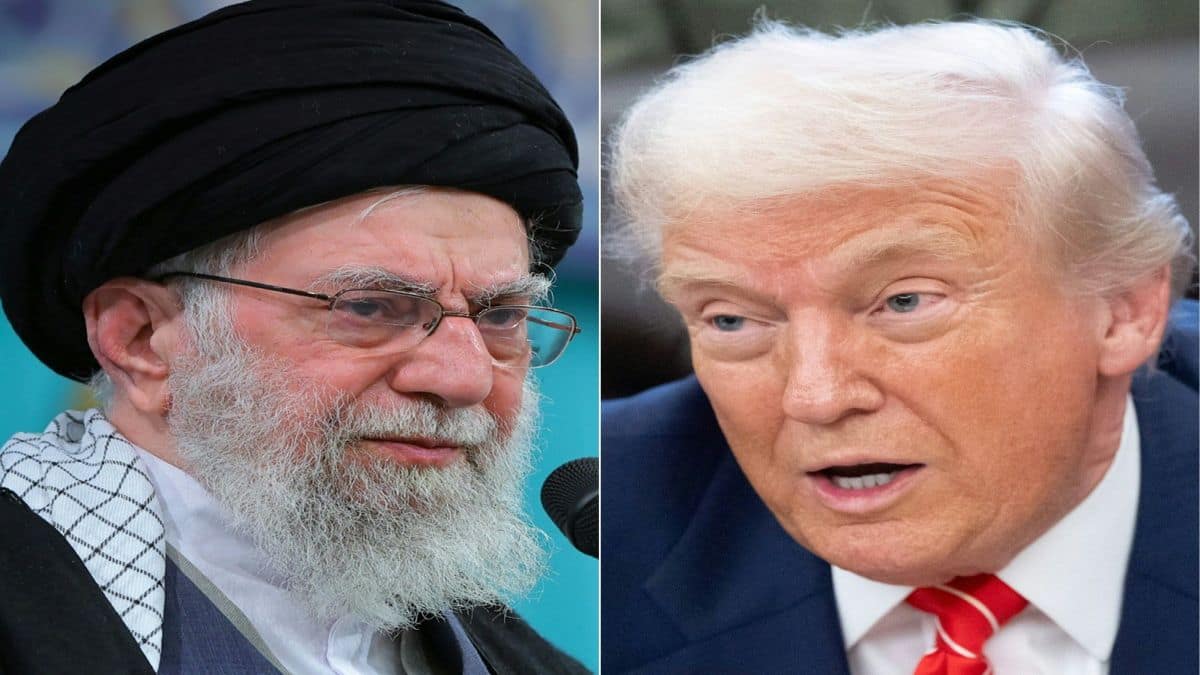
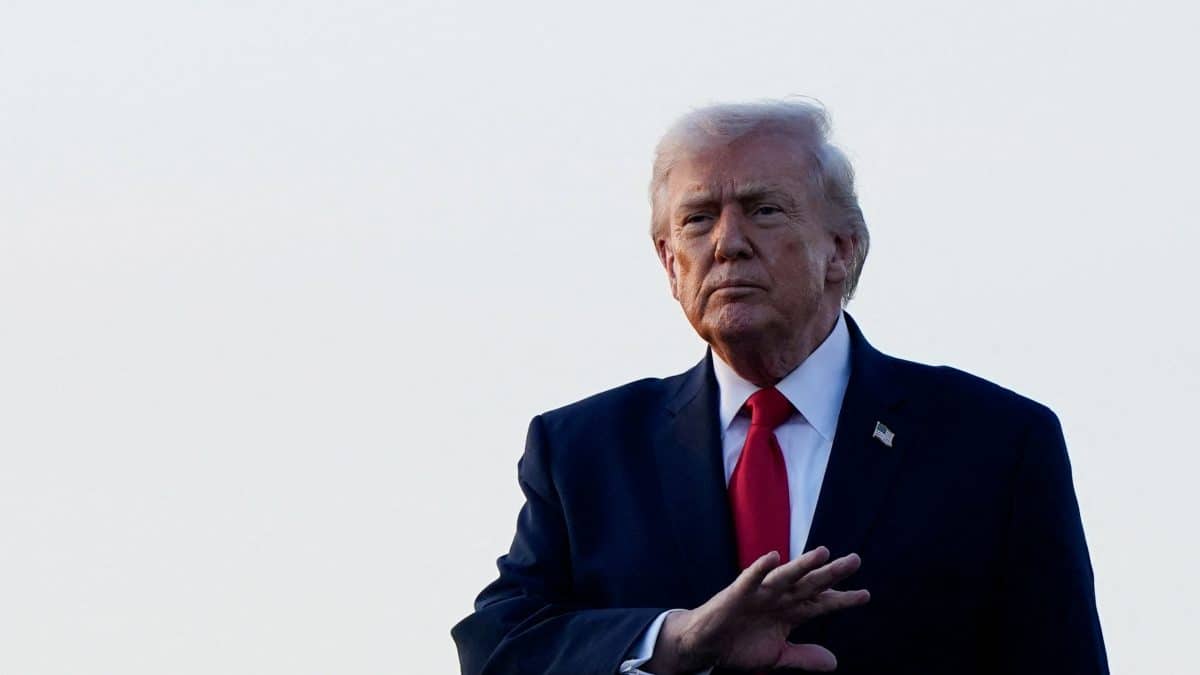
When Donald Trump issued his statement regarding "major combat operations" in Iran, he didn't just move pieces on a map. He shattered the glass case surrounding the American presidency. By calling on the citizenry to "take over your government," he blurred the line between a military directive and a domestic uprising. It was a moment where the cold machinery of the state collided with the raw, unpredictable energy of a populist movement.
To understand the weight of this, you have to look past the headlines and into the eyes of a single person caught in the gears. Let's call him Elias. Elias is a logistics coordinator for a shipping firm in Dubai. His world is measured in containers, fuel costs, and the steady, rhythmic pulse of the Strait of Hormuz. For Elias, a "major combat operation" isn't a political talking point. It is the sound of his livelihood evaporating. It is the terrifying realization that the water he looks at every day has become a graveyard of diplomatic failures.
The statement issued from the Florida coastline was unlike any military declaration in modern history. Usually, these documents are scrubbed clean by committees of lawyers and career diplomats until they are as dry as bone. They speak of "proportional responses" and "strategic objectives." Not this time. This was a direct appeal to the gut. It framed the looming conflict not as a defense of borders, but as a reclamation of the American soul.
The Mechanics of a Broken Protocol
The traditional chain of command is a rigid, vertical ladder. The President speaks, the Joint Chiefs translate, and the soldiers execute. But when the command includes a call for the public to bypass the very institutions that manage the war, the ladder doesn't just shake. It dissolves.
History tells us that wars are won by the side with the most efficient bureaucracy. We like to think it’s about bravery or technology, but it’s often about who can move bread and bullets the fastest. By inviting a "takeover" of the government during a hot conflict, the commander-in-chief introduced a variable that no computer model can account for: institutional friction.
Imagine a veteran desk officer at the State Department. She has spent twenty years building back-channel relationships with Swiss intermediaries to ensure that, even in the worst-case scenario, there is a phone line that stays open. Suddenly, she is told that the government she serves is the enemy. The phone line doesn't just go dead; the person on the other end starts to wonder who is actually in charge of the nuclear codes.
The markets felt it instantly. Oil prices didn't just rise; they bucked like a wounded animal. In the trading pits of Chicago and the digital exchanges of Singapore, the price of a barrel of crude became a fever graph of human anxiety. If the United States enters major combat while simultaneously undergoing a domestic political restructuring, the global economy loses its North Star.
The Human Cost of Abstract Orders
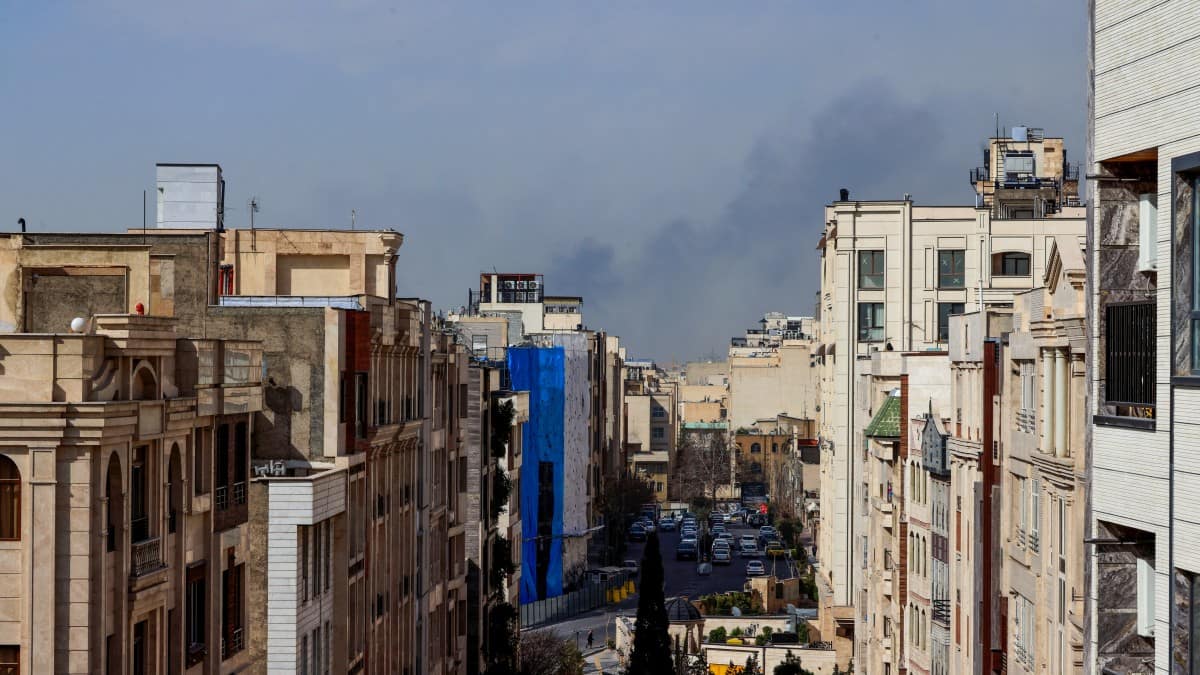
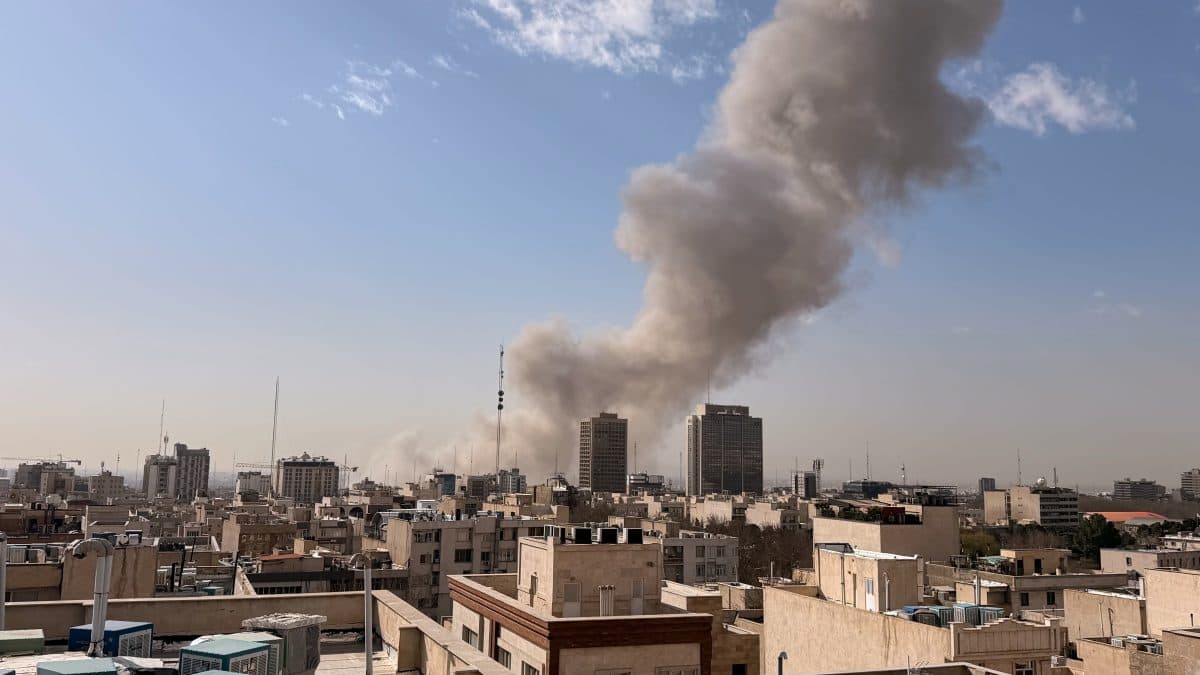
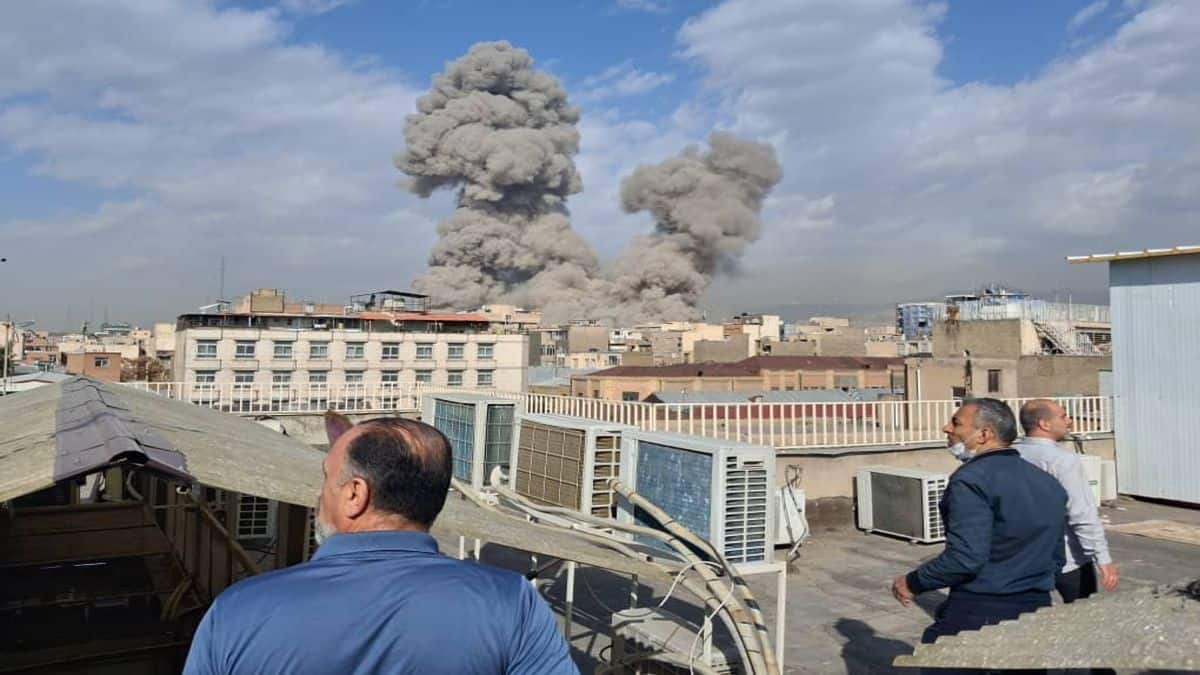
We often talk about "combat operations" as if they are events that happen in a vacuum, or perhaps on a screen in a cool, dark room. But for a family in Isfahan, the words translate to the frantic packing of a suitcase. It is the smell of burnt rubber and the frantic scrolling through social media feeds to see if the local airport is still operational.
The statement’s rhetoric about "taking back" power suggests a vacuum. But power is never truly gone; it just changes hands. When a government is in a state of internal flux, the people who suffer most are those at the margins. The "invisible stakes" aren't just about who sits in the Oval Office. They are about whether a cargo ship can get insurance to move grain, or whether a local bank can process a withdrawal.
Consider the psychological toll on the American servicemember stationed in the Persian Gulf. They are trained to face an external enemy with the total backing of their nation. What happens to that resolve when the orders they receive are surrounded by a cloud of domestic upheaval? The soldier on the deck of a destroyer in the Gulf of Oman is now looking in two directions: toward the Iranian coastline and back across the Atlantic, wondering if the country they are defending still exists in the form they remember.
The Mirror of History
This isn't the first time a leader has used an external threat to consolidate internal power. The "Rally 'round the flag" effect is a well-documented phenomenon in political science. When the drums of war beat, the nuances of domestic policy tend to fade into the background. However, the Trump statement flipped this script. Instead of using the war to unite the government, he used the war to justify its dismantling.
The logic presented was that the "Deep State" or the "Establishment" was the primary obstacle to a successful military campaign. To win abroad, one must first conquer at home. It is a seductive narrative. It offers a clear villain and a simple solution. But it ignores the fact that those very institutions—the courts, the intelligence agencies, the career diplomats—are the shock absorbers that prevent a country from shaking itself to pieces during a crisis.
The statement also touched on a profound sense of betrayal felt by many. There is a segment of the population that feels the government has been a "foreign power" in their own lives for years. To them, the call to take over the government didn't sound like a threat to democracy; it sounded like a rescue mission.
The Silence After the Storm
As the words of the statement echoed through the halls of the United Nations, a strange silence settled over the diplomatic world. It was the silence of people realizing that the old maps were useless. You cannot navigate a new world with a map of the old one.
If the government is "taken over" as suggested, the very nature of international law shifts. Treaties are only as good as the stability of the governments that sign them. If the U.S. government is viewed as an entity in a state of hostile transition, every alliance—from NATO to the smallest bilateral trade deal—enters a state of terminal uncertainty.
The true stakes are not found in the "major combat operations" themselves, but in what remains after the smoke clears. If you break the machinery of governance to win a war, you might find yourself standing over the rubble of a victory with no way to build a peace.
Elias, our logistics coordinator, watches the sun set over the Gulf. He sees the silhouettes of tankers waiting for orders that may never come, or orders that might be contradicted an hour later. He is not thinking about political theories or campaign promises. He is thinking about the fragility of the world we have built. He is thinking about how quickly the things we take for granted—the mail, the power grid, the steady flow of trade—can become casualties of a single sentence.
The statement wasn't just a declaration of war against a foreign adversary. It was a challenge to the idea that a nation can be a single, cohesive unit. It asked the American people to choose between the stability of their institutions and the charisma of a leader.
The sirens have stopped for now, but the air still feels heavy. We are living in the space between the words and the actions. In that space, the only certainty is that the rules we lived by yesterday have been revoked. The question that lingers isn't whether the "combat operations" will be successful, but whether there will be a recognizable government left to claim the result.
History is a long list of people who thought they could control the fire once they started it. We are currently standing in the center of the room, watching the first sparks land on the curtains, wondering if anyone remembered where they put the water.
The sun rises tomorrow on a world where the word "government" has become a question rather than a fact. The ships are still in the harbor. The planes are still on the tarmac. But the heart of the machine has skipped a beat, and in that silence, you can hear the sound of an era ending.