The dust in North Waziristan has a specific, metallic taste. It clings to the back of your throat, a constant reminder that the earth here has been churned up by more than just the wind. For the families living along the Durand Line—that invisible, jagged scar separating Pakistan from Afghanistan—the silence of the night is never truly empty. It is a taut string, waiting to snap.
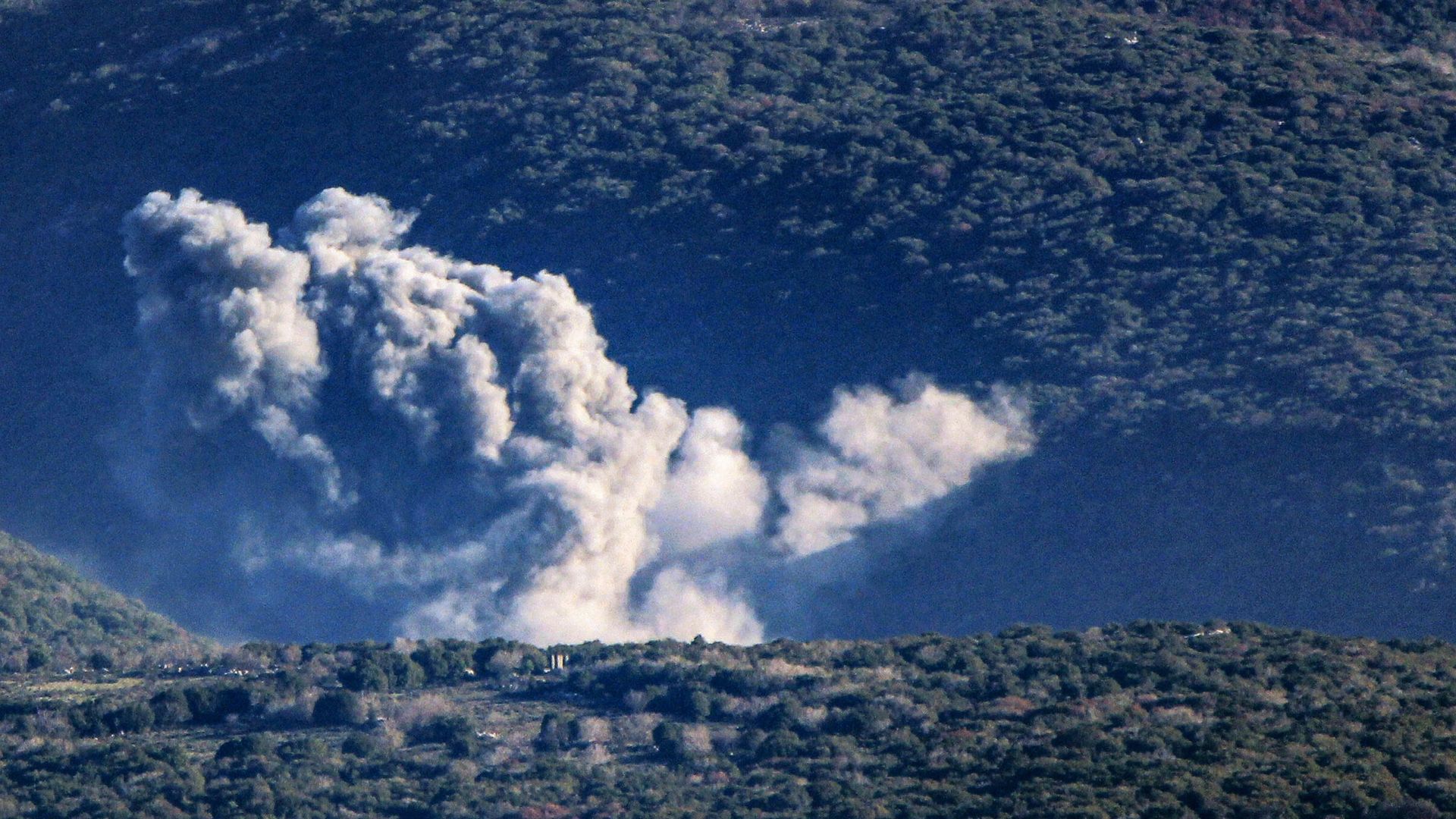
When the string snapped this past Saturday, it didn't make a sound at first. It started with the low, rhythmic thrum of engines high above the clouds, a vibration felt in the marrow of the bone before it reached the ear. Then, the horizon toward Khost and Paktika provinces ignited. Meanwhile, you can find similar stories here: The Cold Truth About Russias Crumbling Power Grid.
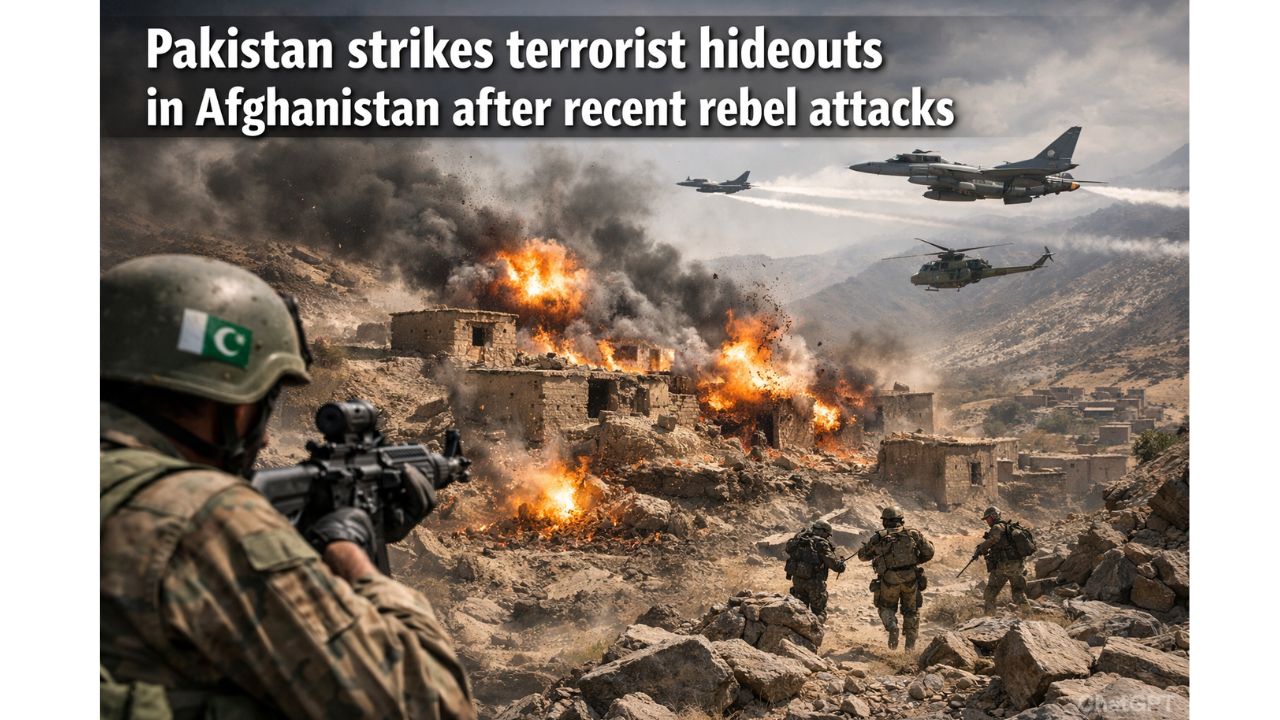
Pakistan had launched air strikes.
To the analysts in Islamabad or the diplomats in Kabul, this was a strategic move, a "retaliatory strike against terrorist hideouts." But for those living in the shadow of the mountains, it was the latest chapter in a cycle of grief that refuses to close. The strikes were a direct response to a brutal ambush days earlier in North Waziristan, where seven Pakistani soldiers were killed. Among them were a lieutenant colonel and a captain. Young men with families who now have to navigate a world that feels suddenly, violently hollow. To see the bigger picture, we recommend the excellent article by TIME.
The geography of this conflict is as treacherous as the politics.
The Ghost of a Border
The Durand Line is less a border and more of a suggestion. Drawn by a British civil servant in 1893, it slices through ethnic heartlands, separating brothers from sisters and grazing lands from the herds that need them. In the eyes of the Tehrik-i-Taliban Pakistan (TTP), this line does not exist. They move through the mountain passes like mist, retreating into the rugged sanctuary of Afghanistan when the heat in Pakistan becomes unbearable.
Islamabad’s frustration has reached a boiling point. For months, the message to the Taliban government in Kabul has been clear: stop the TTP from using your soil to kill our people. The response from Kabul has been a consistent, diplomatic shrug. They deny the presence of these fighters, even as the bodies of soldiers and militants alike continue to pile up in the border clinics.
This isn't just about "terrorist hideouts." It is about the fundamental breakdown of trust between two neighbors who are forced to share a bed but refuse to stop sharpening their knives.
Consider the hypothetical life of a man named Gul, a shopkeeper in a border village. He doesn't care about the high-level meetings in Doha or the troop movements tracked by satellites. He cares about the fact that when the jets scream overhead, his children wet the bed. He cares that the local trade routes—the lifeblood of his tiny economy—are now choked by checkpoints and suspicion. To Gul, the "strategic depth" spoken of by generals is just another way of saying his home is a battlefield.
The Cost of Cold Facts
The numbers are staggering. Since the Taliban took over Afghanistan in August 2021, Pakistan has seen an 80% surge in militant attacks. These aren't just statistics. They are 80% more funerals. They are 80% more sirens wailing through the streets of Peshawar and Quetta.
The TTP, often called the Pakistani Taliban, shares an ideology with the Afghan Taliban but operates with a focused, localized venom. They want to impose their own brand of harsh rule over Pakistan's tribal areas. They see the Pakistani state as an obstacle to be dismantled, one IED at a time.
When the Pakistani military decided to cross the border with its jets this week, it wasn't just hitting targets. It was sending a message. It was a roar of "Enough." But in these mountains, every roar has an echo.
The Afghan Taliban’s defense ministry reacted with predictable fury, claiming the strikes killed eight people, including women and children. They warned that such "reckless" actions would have "bad consequences." This is the vocabulary of escalation. It is the language of two sides who have forgotten how to speak in anything but threats.
The Invisible Stakes
Why should the rest of the world care about a few square miles of scorched earth in Central Asia?
Because the Hindu Kush is a pressure cooker. When Pakistan and Afghanistan clash, the tremors are felt far beyond their borders. This is a region where nuclear-armed neighbors watch the horizon with narrowed eyes. It is a region where the instability of one nation can easily bleed into the next, creating a vacuum that more globalized terror groups are all too happy to fill.
The real tragedy isn't the exchange of fire. It's the normalization of it.
We have become accustomed to the headlines. We see "Air Strikes in Afghanistan" and our eyes glaze over. We forget that the "hideouts" mentioned in the press releases are often mud-brick homes. We forget that the "rebels" were once children who grew up in the rubble of the last war, and the war before that.
The complexity of the situation is enough to make anyone look away. How do you solve a problem that is over a century old? How do you police a border that the people living on it don't recognize? There are no easy answers, only harder questions.
One of those questions involves the millions of Afghan refugees currently living in Pakistan. Every time a bomb goes off, their lives become more precarious. They are the collateral damage of a geopolitical chess game they never asked to play. They are viewed with suspicion by their hosts and forgotten by their homeland.
The Persistence of the Dust
The air strikes might have cleared a few compounds. They might have taken out a few mid-level commanders. But they haven't touched the root of the anger.
Victory in this landscape isn't measured in territory gained. It is measured in the absence of fear. And right now, fear is the only thing in surplus.
The night following the strikes, the mountains returned to their heavy, oppressive silence. But it wasn't the silence of peace. It was the silence of a held breath. Somewhere in the dark, a young man is looking at the crater where his neighbor's house stood, and he is making a choice.
The cycle is ready to turn again.
We talk about "surgical strikes" as if war can be a clean, clinical procedure. It isn't. It's messy. It's loud. It smells of cordite and wet wool. It leaves scars on the land and on the psyche that no treaty can heal.
As the sun rises over the jagged peaks of the border, the metallic taste of the dust remains. It doesn't matter who pulled the trigger or who gave the order. The people of the mountains will wake up, shake the grit from their clothes, and wait for the thrum of the engines to return.
They know the echoes are never truly gone. They are just waiting for the next scream to give them life.