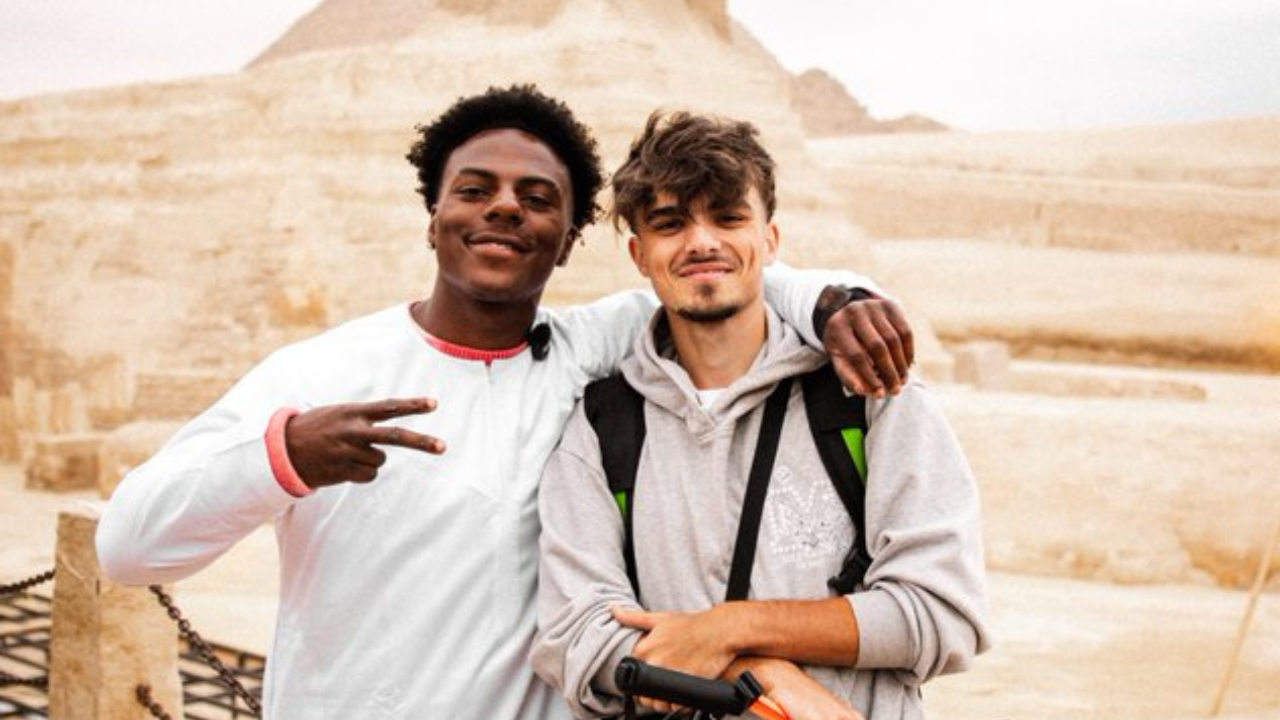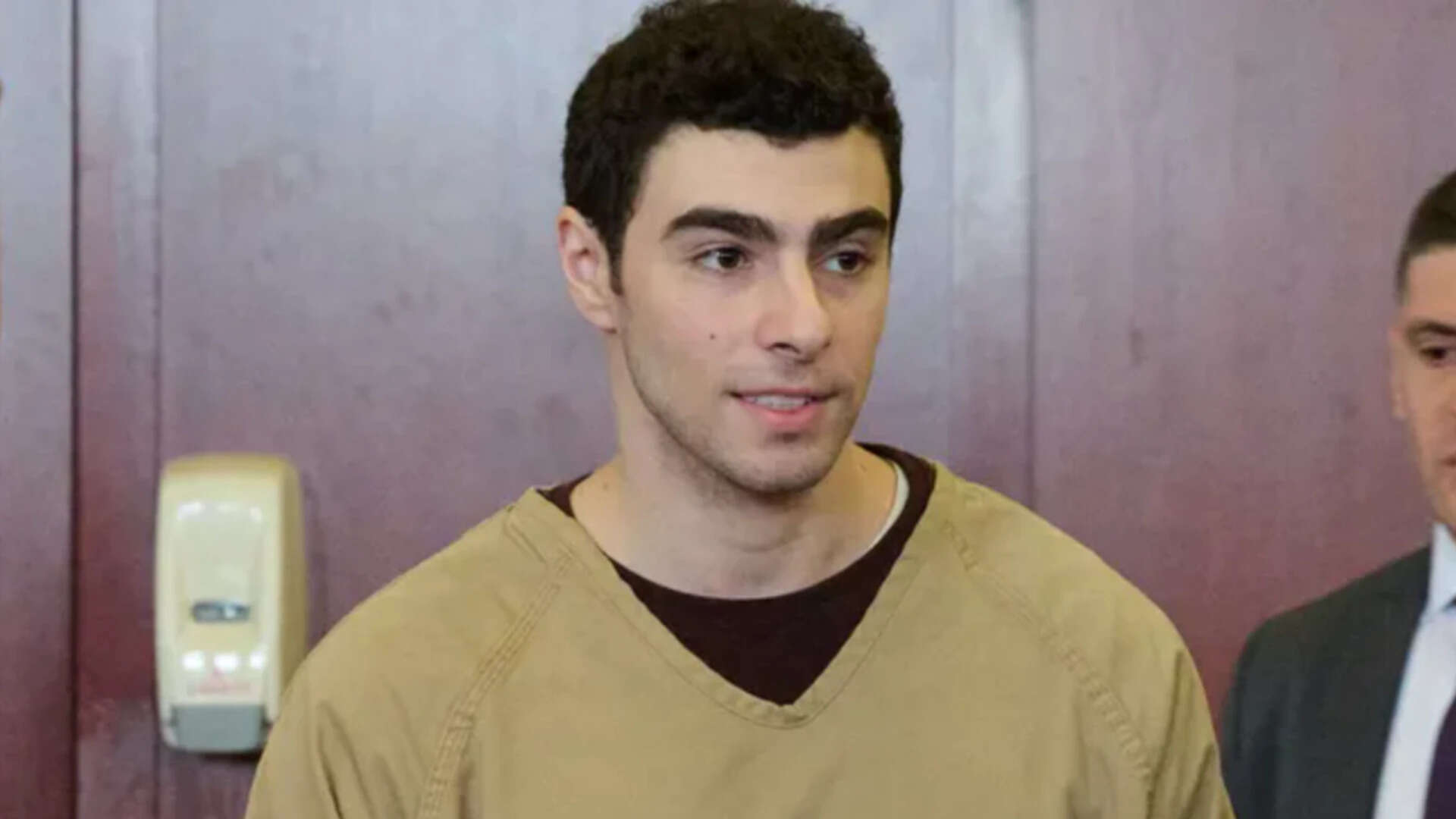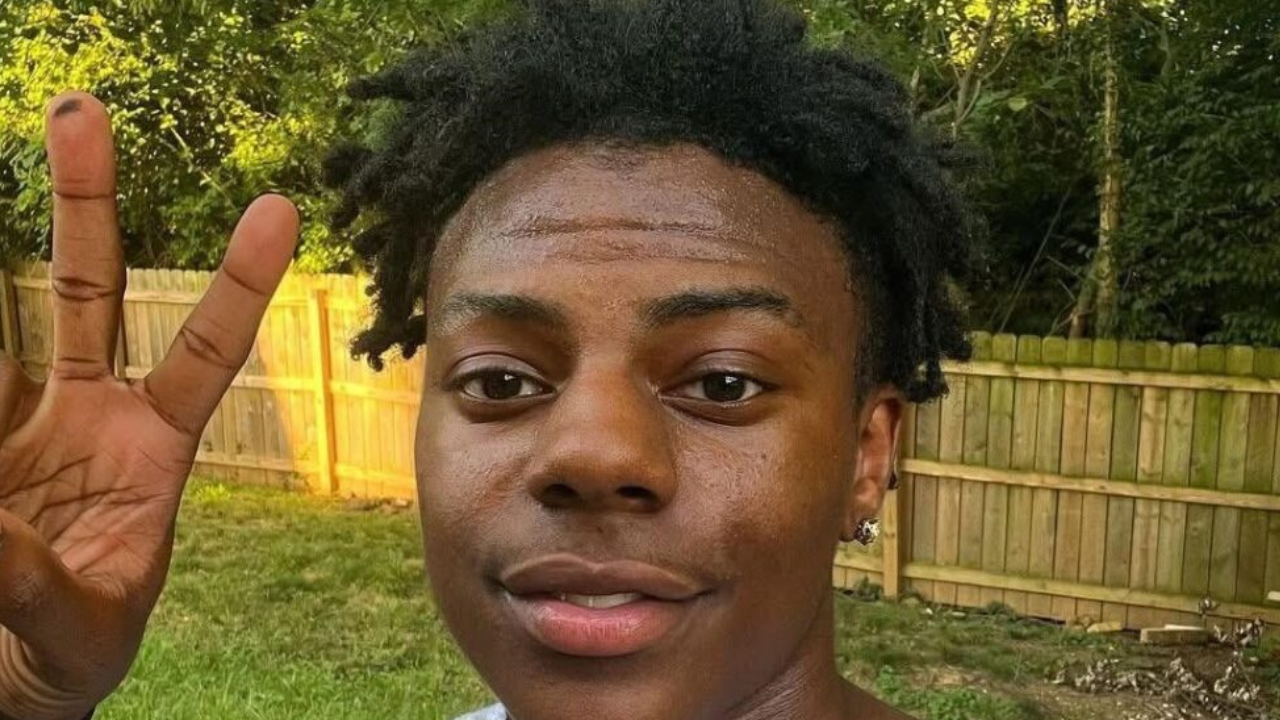
The air in a federal interrogation room has a specific, recycled weight. It smells of floor wax and unwashed adrenaline. For Lontrell Williams Jr.—the world knows him as Pooh Shiesty—and his close associate Big30, the neon lights of the Dallas strip were replaced by this sterile, windowless reality. It wasn’t just a bad night in Texas. It was the moment a decade of trap lore collided with the cold, unyielding machinery of the Department of Justice.
The headlines screamed about a kidnapping. They whispered about Gucci Mane, the patriarch of the New 1017 label, and a betrayal that felt like it was ripped from a Shakespearean tragedy set in the streets of Memphis. But stories told in courtrooms are rarely as poetic as the ones told over a heavy bassline.
The Ghost of the Wop
To understand why a federal arrest in Dallas sent tremors through the music industry, you have to look at the shadow cast by Radric Davis. Gucci Mane isn't just a rapper; he is a lighthouse. For a generation of artists coming out of the South, signing to 1017 is the ultimate validation. It is the promise that the chaos of the pavement can be traded for the polished marble of a mansion.
When the Department of Justice moved in on Pooh Shiesty and Big30, the narrative immediately shifted to the mentor. Rumors swirled like storm clouds. Was there a kidnapping? Had the "Big Burr" himself been targeted by his own protégés? The rap world thrives on friction, but this felt different. This felt like the foundation was cracking.
Imagine a young man who has spent his entire life navigating the razor-thin margin between survival and a cell. He finally gets the gold chain. He finally gets the million-dollar smile. Then, in a flash of blue and red lights in a Dallas parking lot, the old world catches up to the new one. The DOJ doesn't care about platinum records. They care about paper trails and the violent intersections of the street.
The Dallas Incident
The facts are as jagged as broken glass. Federal authorities alleged a series of events that read more like a frantic action sequence than a career move. We aren't talking about a misunderstanding over a verse or a missed club appearance. The allegations involved a high-stakes confrontation, a physical abduction, and the kind of federal scrutiny that doesn't just go away with a good publicist.
Consider the logistics of a federal arrest. The FBI and the DOJ don't move until the box is taped shut. When they picked up Shiesty and Big30, they weren't guessing. They were executing a plan built on months of digital breadcrumbs and physical surveillance.
In the hyper-competitive ecosystem of Southern rap, loyalty is the only currency that actually matters. If you break that trust with the person who gave you your start, you aren't just a criminal in the eyes of the law; you are a pariah in the eyes of the culture. The "kidnapping claim" became a Rorschach test for fans. To some, it was a sign of the inherent volatility of the industry. To others, it was a heartbreaking collapse of a brotherhood that was supposed to be bulletproof.
The Invisible Stakes of the Trap
There is a cost to the music we consume. We love the grit. We reward the authenticity. But there is a silent, terrifying price paid by the men and women who provide that soundtrack. Every time an artist like Pooh Shiesty is pulled into the federal system, a community loses a beacon of possibility.
The stakes aren't just about jail time. They are about the death of a dream. Big30 and Shiesty represented a specific kind of Memphis energy—raw, unfiltered, and wildly successful. Seeing them in handcuffs wasn't just a news update; it was a mourning period for a trajectory that seemed headed for the stars.
The DOJ doesn't see the art. They see "Case Number X." They see a conspiracy. They see a pattern of behavior that they are paid to dismantle. While the internet debated whether Gucci Mane was truly a victim or a mastermind, the federal prosecutors were busy filing the paperwork that would effectively pause the heartbeat of a movement.
A Legacy in the Balance
Gucci Mane has survived more than most men could endure. He has seen the inside of those same cells. He has buried friends and outlasted enemies. For him, seeing his brightest stars dimmed by federal indictments must feel like a recurring nightmare. It’s the cycle that never quite breaks, no matter how much jewelry you put around it.
The Dallas arrests weren't just about a single night or a single crime. They were a reminder that the transition from the street to the stage is haunted. You can change your zip code, but the ghosts of the past have a way of finding the new address.
The "shock" felt by the rap world wasn't really about the crime itself. We have seen crime before. The shock was the realization that even at the top, even with the backing of a legend, the ground is never truly solid.
The lights in that Dallas interrogation room eventually flickered out, but the resonance of that night continues to echo through the speakers of every car in Memphis. It is a story of power, of the fragile nature of success, and of the heavy, silent chains that don't glitter in the sun.
The gavel falls. The music stops. The silence that follows is the loudest thing in the room.