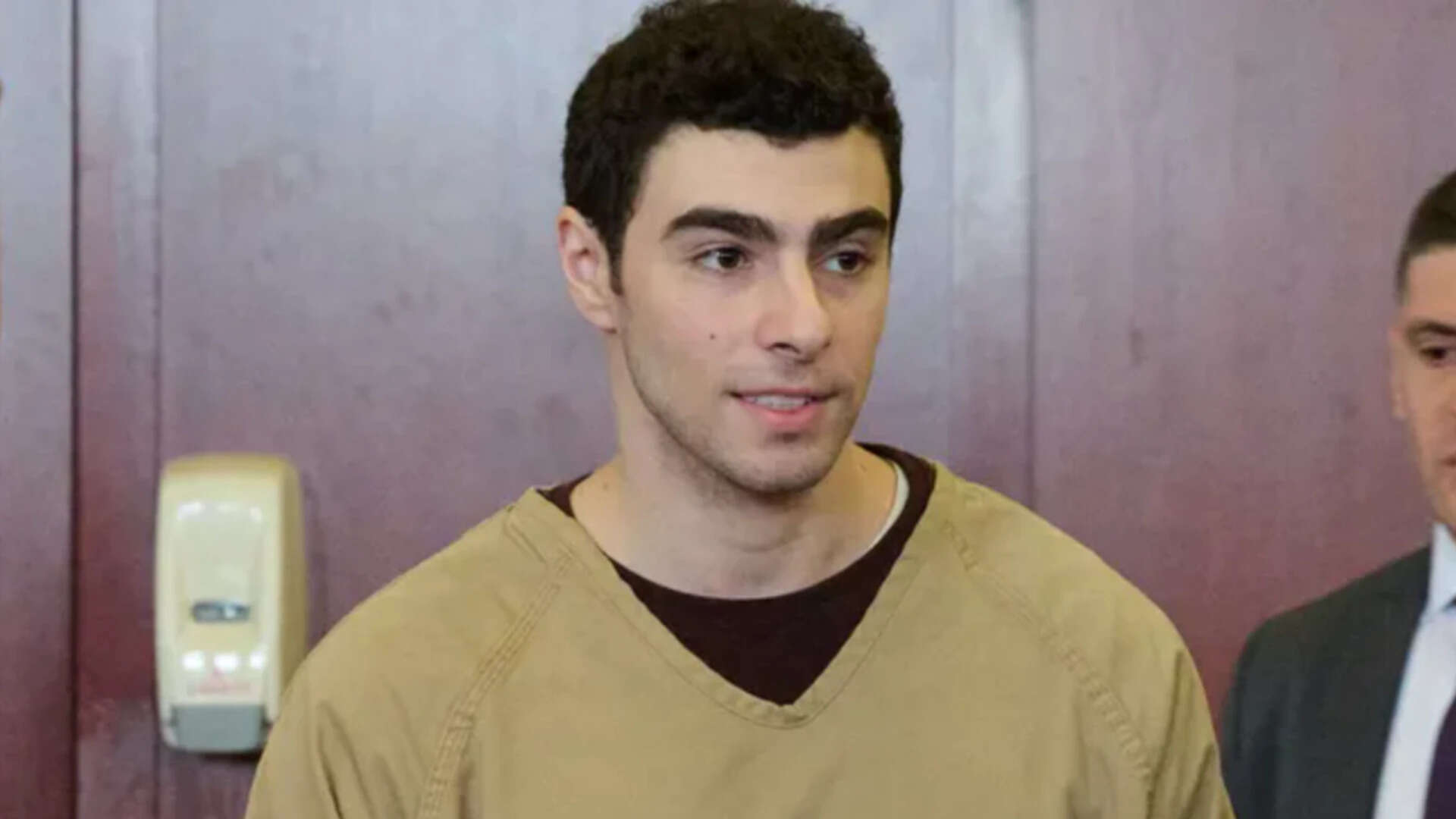
John Leguizamo didn't hold back. While the internet was already spiraling into a vortex of memes and bizarre fan-casting following the arrest of Luigi Mangione, the man who brought Mario’s brother to life on the big screen in 1993 decided to weigh in. He called Mangione his "favourite Luigi in American history." It was a punchy, provocative statement that instantly set social media on fire. Some people laughed. Others were horrified. Most were just reminded of how weirdly the world of pop culture can collide with a high-profile criminal case.
The remark wasn't just a random quip. It tapped into a growing, albeit controversial, sentiment surrounding the UnitedHealthcare CEO shooting. When a celebrity with a direct tie to the "Luigi" brand—even an old version of it—steps into the arena, it changes the conversation. It turns a tragic, violent event into a piece of meta-commentary on corporate greed and cultural symbols.
The Mario Brother Connection You Can't Ignore
Leguizamo played Luigi in the live-action Super Mario Bros. movie. That film was a disaster by most accounts, but it gave him a permanent seat at the table of Nintendo lore. When the news broke that the suspect in the Brian Thompson shooting was named Luigi Mangione, the coincidence was too loud to ignore. The name itself felt like a glitch in the simulation.
Internet culture thrives on these kinds of overlaps. We've seen it before with "Main Character Energy," where a real-life figure starts to mirror a fictional archetype. In this case, Mangione became a sort of anti-hero figure for a segment of the population frustrated with the American healthcare system. Leguizamo’s comment essentially validated that narrative. By calling him his "favourite," he wasn't just talking about a name. He was nodding to the manifesto and the perceived "righteousness" that some online communities have projected onto the suspect.
Dark Humor as a Social Safety Valve
We use humor to process things that feel too big or too dark to handle with straight faces. The UnitedHealthcare case is a mess of systemic failure, corporate profit-chasing, and a brazen act of violence in midtown Manhattan. It’s heavy. When Leguizamo cracks a joke, it provides a release valve.
But there’s a line. Usually, that line is drawn at the point where someone gets hurt. Since Brian Thompson was killed, the "too soon" crowd was out in full force. However, Leguizamo’s brand has always been a bit gritty and unapologetic. He’s never been the guy to play it safe for the sake of corporate PR. That’s why his take resonated with people who feel that the traditional media coverage is missing the point of why Mangione has gained so much "fan" support.
People aren't cheering for a shooter because they love violence. They're cheering because they hate their insurance company. They're cheering because they've had a claim denied or a life-saving surgery delayed. Leguizamo knows this. His joke was a cynical wink at a public that feels unheard.
The Risks of Blurring Fiction and Reality
The danger here is obvious. When we start treating a murder suspect like a video game character, we lose the thread of reality. Mangione isn't a plumber in a green hat jumping on Goombas. He's a real person accused of a very real, very lethal crime.
When celebrities engage with these memes, they provide a layer of legitimacy. It moves the conversation from the fringes of Reddit and X into the mainstream. It’s a bold move for an actor who still works in a Hollywood system that relies heavily on corporate sponsorship. You don't see Chris Pratt making these jokes. Pratt’s "Luigi" (Charlie Day) has stayed silent, likely because the modern Nintendo/Illumination machine is far more protective of its image than the 1993 version ever was.
Why This Specific Joke Stuck
Timing is everything. If Leguizamo had said this three weeks later, it would have been a footnote. He said it while the nation was still staring at Mangione’s Ivy League credentials and his surprisingly articulate manifesto. The contrast between the "Luigi" name and the "CEO killer" persona was at its peak.
The joke also works because Leguizamo has a history of being vocal about his role as a Latino actor in Hollywood. He’s talked at length about how he fought for the Luigi role and what it meant for representation. To see that name now associated with a radicalized, anti-corporate figure creates a strange full-circle moment for him. It’s as if the character he played decades ago finally developed a political edge he never expected.
Navigating the Fallout of Celebrity Commentary
If you're following this story, don't just look at the headline and move on. Look at the comments sections. Look at how people are using Leguizamo’s words to justify their own opinions on the case. This is how modern folklore is built. A crime happens, the internet memes it, a celebrity validates the meme, and suddenly the actual facts of the case are buried under layers of irony and pop culture references.
The next time you see a celebrity weigh in on a news story with a joke, ask yourself what they're actually trying to say. Are they just looking for engagement? Or are they reflecting a genuine cultural shift? In Leguizamo’s case, it feels like a bit of both. He’s staying relevant while also pointing out the absurdity of our current reality.
Stop waiting for the "proper" way to talk about these things. The world is messy, and the way we discuss it—through movies, games, and bad jokes—is just as messy. If you want to understand the Mangione phenomenon, you have to understand why a "Super Mario" actor thought he could get away with that joke. It’s because, for a lot of people, the system feels just as rigged as a final boss fight you can’t win.
Go back and read the actual manifesto attributed to Mangione. Compare the language he uses about "social parasites" to the way we typically talk about corporate leadership. Then, look at Leguizamo’s filmography. The actor has spent his career playing outsiders and rebels. The joke wasn't a mistake; it was on-brand. Keep an eye on how other "Mario" alum respond, or more likely, how they continue to stay silent to protect their brand deals. It tells you everything you need to know about where the power really lies.