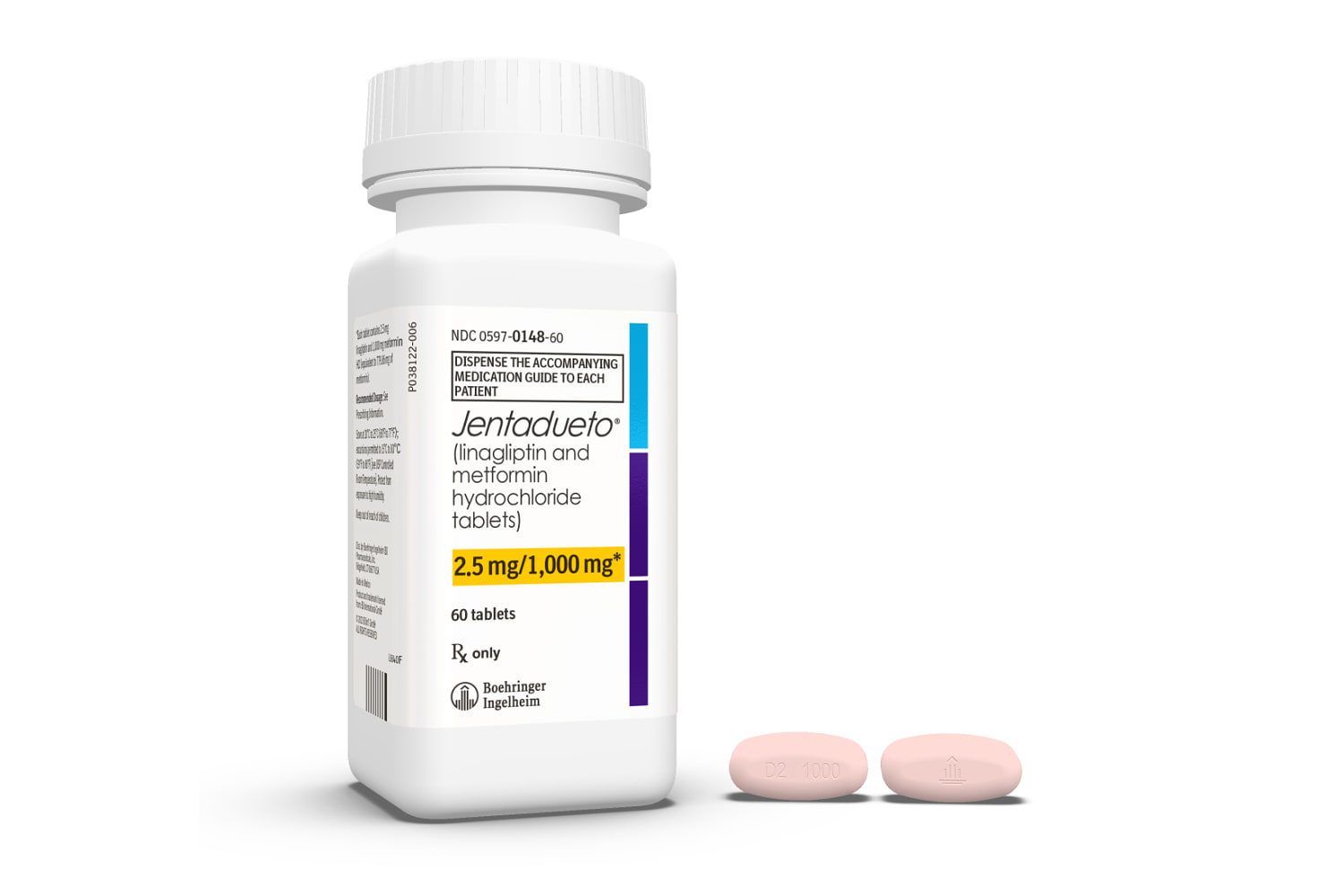
Glucagon-like peptide-1 (GLP-1) receptor agonists are currently undergoing a functional pivot from metabolic regulators to neuropsychiatric interventions. While their primary market penetration stems from glycemic control and adipose reduction, recent longitudinal data suggest a 25% to 30% reduction in the incidence of depression and anxiety among patients prescribed these agents. This correlation is not a byproduct of weight loss alone; it points to a fundamental shift in how we address the metabolic-psychiatric axis. The blueprint for understanding this shift requires a granular decomposition of the blood-brain barrier (BBB) permeability, neuro-inflammation suppression, and the dopaminergic modulation inherent in GLP-1 signaling.
The Tri-Axial Mechanism of Action
To evaluate why a diabetes medication impacts mental health, we must move beyond the "feel-good" narrative of weight loss and examine the three specific physiological pathways where GLP-1 agonists interface with the central nervous system (CNS).
1. The Neuro-Inflammatory Shield
Chronic systemic inflammation often manifests as "sickness behavior," a clinical state indistinguishable from major depressive disorder (MDD). Pro-inflammatory cytokines like IL-6 and TNF-alpha cross the BBB and trigger microglial activation. GLP-1 receptors, expressed heavily in the hypothalamus and area postrema, serve as inhibitory nodes for this inflammatory cascade. By reducing microglial overactivity, GLP-1 agonists effectively lower the "neural noise" that contributes to depressive symptoms. This represents a shift from symptom management to upstream biological mitigation.
2. Dopaminergic Homeostasis and Reward Circuitry
The mesolimbic dopamine system governs both the drive for caloric intake and the experience of pleasure. Chronic metabolic dysfunction often leads to "reward deficiency syndrome," where individuals require increasingly high stimuli—sugar, fats, or substance use—to achieve a baseline mood. GLP-1 agonists modulate the ventral tegmental area (VTA) and the nucleus accumbens. By stabilizing dopamine fluctuations, these drugs reduce the "craving" peaks and the subsequent "crash" troughs, providing a biological floor for mood stability that traditional SSRIs often fail to reach.
3. Glucose Bioenergetics and Brain Metabolism
The brain consumes approximately 20% of the body's glucose despite representing only 2% of its mass. Insulin resistance in the brain—often termed "Type 3 Diabetes" in the context of cognitive decline—disrupts ATP production in neurons. When neuronal bioenergetics fail, cognitive fog and emotional dysregulation follow. GLP-1 agonists enhance cerebral glucose utilization and insulin sensitivity, essentially "refueling" the prefrontal cortex.
Quantifying the "Weight Loss Confound"
A critical failure in current reporting is the inability to decouple psychiatric improvement from the psychological benefits of weight loss. If a patient feels better because they lost 40 pounds, the drug is a cosmetic catalyst. If the patient feels better before significant weight is lost, the drug is a neuropsychiatric agent.
Analysis of clinical trials (e.g., FLOW and SELECT trials) reveals that mood stabilization often precedes significant adipose reduction. This suggests that the GLP-1 receptor in the brain is being occupied and activated long before the systemic metabolic changes are fully realized. We define this as the Neurometabolic Lead Time. For clinicians, this means the drug may be acting as a rapid-onset antidepressant, independent of the long-term metabolic outcome.
Logical Bottlenecks and Risk Variables
Despite the high-velocity adoption of these drugs, the data contains significant structural gaps. The efficacy of GLP-1s in mental health is contingent on several variables that remain poorly defined in current literature.
- The Gastroparesis-Mood Loop: A known side effect of GLP-1s is delayed gastric emptying. Chronic nausea is a potent trigger for anxiety and decreased quality of life. In a subset of patients, the physical discomfort of the drug may neutralize the neurological benefits.
- Anhedonia Risks: While modulating the reward system helps with addiction and binge eating, there is a theoretical "ceiling effect" where the dampening of dopamine prevents the experience of normal joy. This "flatness" is a common complaint with SSRIs and must be monitored as GLP-1 use expands into non-diabetic populations.
- Sarcopenia and Hormonal Feedback: Rapid weight loss often includes significant muscle wasting (sarcopenia). Muscle tissue acts as an endocrine organ, secreting myokines that support brain health. If GLP-1 therapy leads to muscle loss without resistance training, the long-term psychiatric outcome may be negative due to the loss of these protective myokines.
The Economic and Operational Shift in Psychiatry
The integration of GLP-1s into mental health treatment plans creates a new operational reality for healthcare providers. We are seeing the dissolution of the silos between endocrinology and psychiatry.
Structural Requirements for Integrated Care:
- Baseline Metabolic Profiling: Psychiatry must adopt mandatory metabolic screening (A1C, fasting insulin, lipid panels) before initiating treatment.
- Continuous Glucose Monitoring (CGM) Integration: Using CGMs to map mood fluctuations against glucose spikes provides a data-driven feedback loop for the patient.
- Titration Sensitivity: Unlike standard depression protocols, GLP-1 titration must be managed with extreme precision to avoid the "nausea-anxiety" feedback loop.
The Limitation of the "Silver Bullet" Theory
It is a categorical error to view GLP-1s as a universal solution for mental health. The data suggests these drugs are most effective for a specific phenotype: the Metabolic-Depressive Phenotype. This patient typically presents with:
- High BMI or insulin resistance.
- Atypical depression (hypersomnia, increased appetite).
- Cognitive impairment or "brain fog."
- Treatment-resistant symptoms that haven't responded to traditional monoamine-based antidepressants.
For patients whose depression is rooted in acute trauma or situational grief without a metabolic component, the utility of GLP-1s is significantly lower and the risk-to-reward ratio becomes unfavorable.
Strategic Forecast for Intervention
The next three years will see the emergence of "dual-action" psychiatric clinics. The strategic play for pharmaceutical companies and healthcare systems is not just the sale of the drug, but the ownership of the Metabolic-Psychiatric Ecosystem.
Total addressable market expansion will depend on the successful completion of Phase III trials specifically targeting Major Depressive Disorder and Bipolar Disorder. Expect a shift in the "Standard of Care" where GLP-1s are prescribed alongside or even instead of second-generation antipsychotics, which are notorious for causing the very metabolic damage that GLP-1s are designed to repair.
The primary hurdle is the "Cost-Per-Mood-Point" metric. Until GLP-1s see significant price compression or broader insurance coverage for psychiatric indications, they will remain a luxury intervention for the metabolic-psychiatric elite. The real disruption occurs when the genericization of early-generation GLP-1s allows for mass-market psychiatric deployment.
Health systems should begin the process of cross-training psychiatric staff in metabolic health management immediately. The bifurcation of the mind and body in clinical practice is no longer a defensible position. The data confirms that the gut-brain axis is not a metaphorical concept, but a quantifiable target for pharmaceutical intervention.