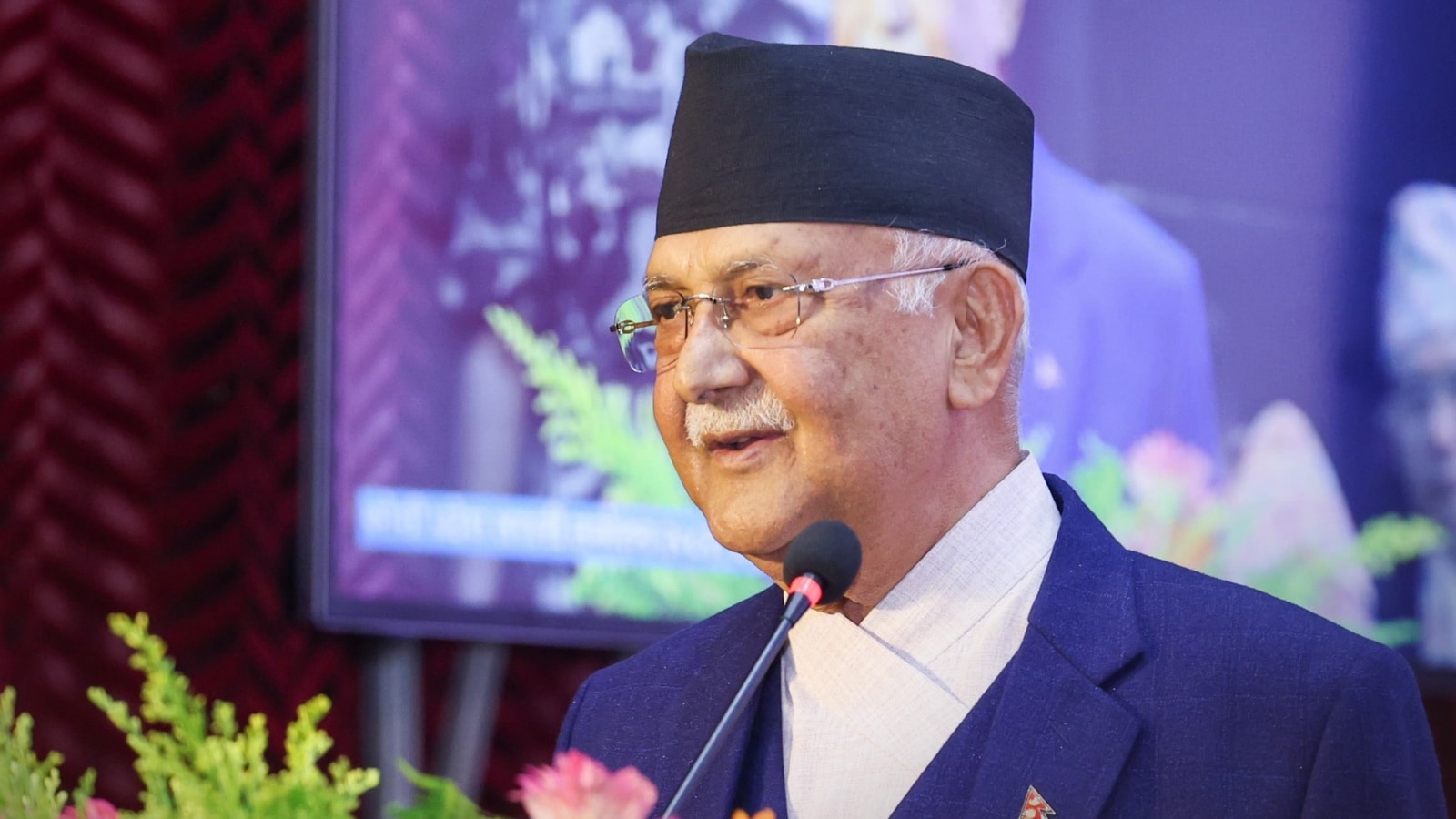
The headlines are screaming about "tension" and "crisis" in Kathmandu. They are painting a picture of a fragile democracy teetering on the edge because Khadga Prasad Sharma Oli—the man who has dominated Nepali politics for a decade—is behind bars. The standard media narrative is lazy. It frames this as a simple story of a new government cleaning house or a sudden outbreak of accountability.
It is neither. Read more on a connected issue: this related article.
If you believe this arrest is about "justice" for protest-related violence, you are falling for the oldest trick in the Himalayan political playbook. This isn't the rule of law finally catching up with a strongman. It is a calculated, surgical strike designed to consolidate power before the ink is even dry on the new coalition’s letterhead. In Nepal, the jail cell is just another boardroom for negotiating your next term as Prime Minister.
The Myth of the Independent Judiciary
The international press loves the "triumph of law" angle. They want to believe that the institutions are finally standing up to the charismatic populist. I have watched this cycle repeat in South Asian politics for twenty years, and the reality is far more cynical. Additional reporting by NBC News explores similar views on the subject.
In a functioning democracy, an arrest follows an investigation. In Nepal, the arrest is the investigation. It’s a tool used to freeze an opponent's assets, demoralize their grassroots base, and—most importantly—force them to the bargaining table. By locking up Oli over his role in previous protests, the current administration isn't seeking a conviction. They are seeking leverage.
Think about the timing. You don't arrest a former three-time Prime Minister "days into a new government" because you suddenly found a smoking gun. You do it because you need to signal to the bureaucracy and the security forces exactly who holds the leash now.
Why Protests are the Perfect Pretext
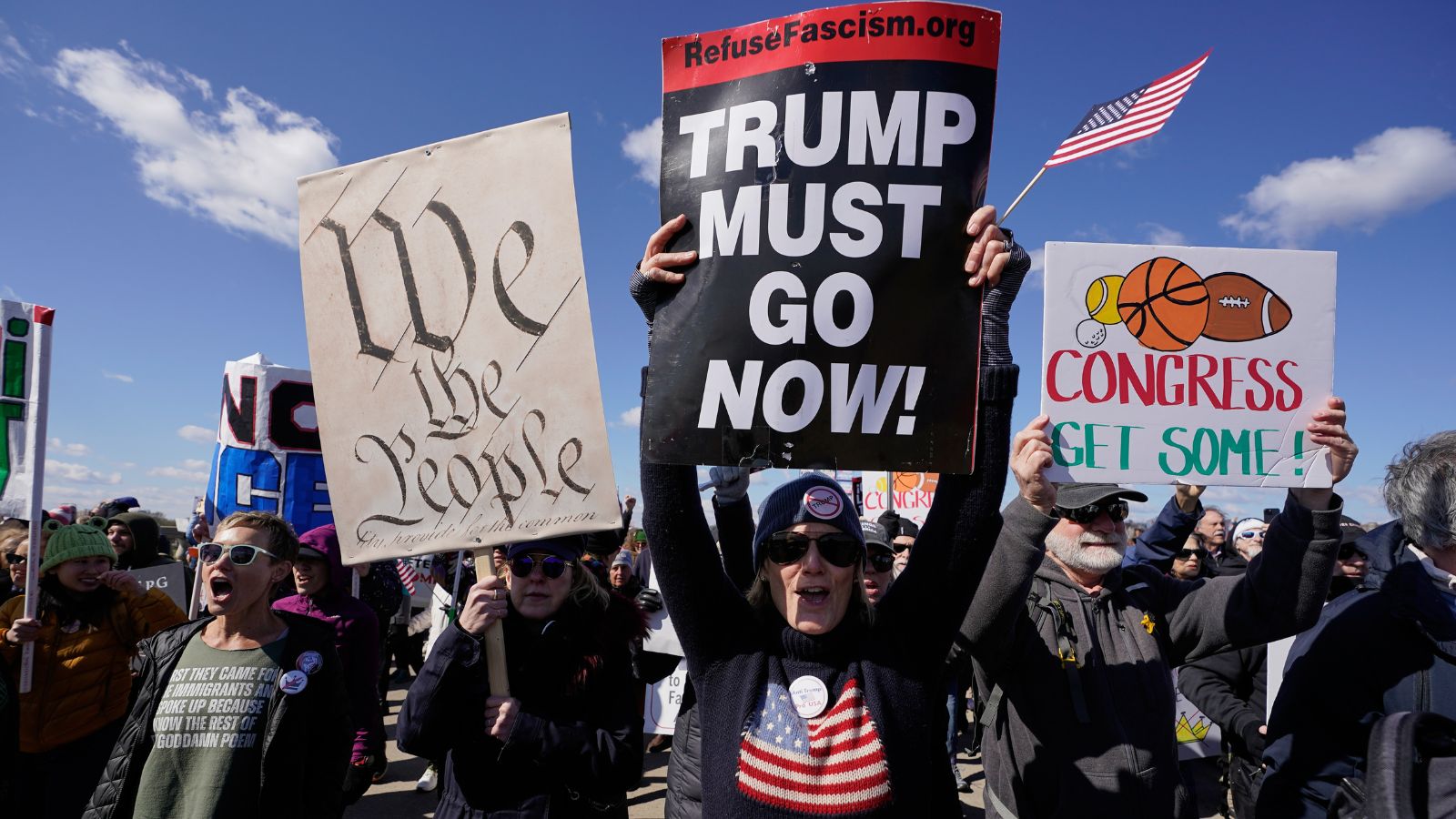
The charges against Oli focus on his role in inciting violence during various demonstrations. This is the "low-hanging fruit" of Nepali law. Every major political leader in Kathmandu has a history of mobilizing the streets. To single out Oli for "protest-related roles" is like arresting a fish for being wet.
The "lazy consensus" suggests that these protests were an aberration. They weren't. They are the primary currency of Nepali political expression. By criminalizing Oli’s specific involvement, the government is setting a dangerous precedent that they will undoubtedly regret the moment they find themselves back in the opposition benches.
The Calculus of Martyrdom
The current leadership is playing a high-stakes game. They assume that by removing Oli from the streets, they quiet the noise. They are wrong. They are giving a veteran populist exactly what he needs: a martyrdom complex.
Oli thrives on being the outsider, the man the "establishment" (however you define that in a country with a new government every eighteen months) is trying to silence. Every hour he spends in custody is a campaign contribution to his party, the CPN-UML.
The Economic Ghost in the Room
While the media focuses on the drama of the police van and the courthouse, they are ignoring the actual driver of this instability: a stagnant economy and a desperate need to distract the public.
Nepal’s youth are leaving in record numbers for the Gulf and Malaysia. Inflation is eating away at the middle class. The new government has no immediate solutions for the structural rot in the economy. What do you do when you can't provide jobs or lower the price of rice? You provide a spectacle. You arrest the biggest name in the country.
It is a classic "bread and circuses" maneuver, minus the bread.
Dismantling the Stabilizing Factor Argument
You will hear analysts argue that removing "polarizing figures" like Oli is necessary for national stability. This is a fundamental misunderstanding of how power functions in Nepal. Stability in Kathmandu isn't built on consensus; it’s built on a delicate balance of grievances.
When you remove one of the primary pillars of that balance, you don't get peace. You get a vacuum. And in the Himalayas, vacuums are quickly filled by radical elements, external players, or even more extreme factions within the established parties.
A Thought Experiment in Power Dynamics
Imagine a scenario where the government actually succeeds in convicting Oli and barring him from future office. Does the CPN-UML vanish? No. It fragments. You trade one predictable (if difficult) adversary for five unpredictable ones. You trade a centralized leadership for a decentralized insurgency of political sabotage.
The current administration thinks they are cleaning the board. They are actually just breaking the pieces, making the game impossible to play for everyone.
The Geopolitical Chessboard
We cannot talk about an arrest of this magnitude without looking at the neighbors. New Delhi and Beijing are not "concerned onlookers." They are stakeholders.
Oli has famously leaned toward China to balance India's traditional influence. His arrest will be viewed in Beijing as a setback for their infrastructure ambitions and in New Delhi as a potential opening. The "protest violence" charges are merely the domestic face of a much larger regional tug-of-war.
The tragedy of the current narrative is that it treats Nepal as an isolated bubble where local cops are just doing their jobs. In reality, every move in Kathmandu is calibrated against the interests of the two giants flanking the country.
The Accountability Trap
"But shouldn't leaders be held accountable?"
This is the question people ask when they want to sound moral but don't want to look at the mechanics of power.
True accountability would look like a Truth and Reconciliation Commission that actually functioned. It would look like an investigation into the systemic corruption that spans across all party lines. Singularly targeting a former PM while his peers—many with equally blood-stained or graft-heavy resumes—sit in the cabinet is not accountability. It’s a purge.
If you want to fix Nepal, stop cheering for the arrest of "the bad guy." Start demanding why the "good guys" are using the exact same authoritarian tactics they campaigned against.
Stop Asking if He is Guilty
You are asking the wrong question. Of course there is evidence of incitement; there is evidence for everyone. The question you should be asking is: "Why now, and who benefits from the chaos that follows?"
The answer isn't "the people of Nepal." They are the ones who will pay for the blockades, the strikes, and the inevitable retaliatory arrests that will come when the pendulum swings back.
This arrest isn't a sign that the system is working. It’s a sign that the system is cannibalizing itself to stay relevant.
Stop looking at the handcuffs. Look at the hands that put them there.
Go watch the protests. Notice who isn't being arrested. That’s where the real story is.