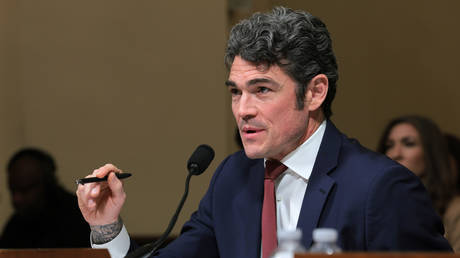
The idea that the United States would coordinate with designated terrorists sounds like a bad spy novel plot or a fever dream from a conspiracy board. But according to Nathan Sales, the man who actually ran counterterrorism at the State Department during the first Trump term, it isn't fiction. It’s exactly what happened in the trenches of the Syrian conflict.
Sales recently went on the record with a blunt admission that’s sending shockwaves through the foreign policy world. He confirmed that the US "worked directly" with certain militant groups in Syria. The goal? Protecting Israeli security interests.
This wasn't about spreading democracy or some vague humanitarian mission. It was a cold, hard calculation. Washington used the assets on the ground—even the ones with blood on their hands—to build a buffer for its closest ally in the Middle East.
The enemy of my enemy is my asset
Foreign policy is rarely about choosing between good and bad. Usually, you’re choosing between the "bad" guy who hates you and the "bad" guy who hates your enemy more. In the Syrian meat grinder, the US found itself in a spot where the Assad regime, backed by Iran and Russia, was the primary threat to regional stability and Israeli borders.
To counter the "Shia Axis" of Iran and Hezbollah, the US looked to the Sunni militants fighting the regime. Sales points out that this coordination wasn't accidental. It was a deliberate strategy. By providing support or at least staying out of the way of certain groups, the US ensured that Iran couldn't turn southern Syria into a permanent launchpad for missiles aimed at Tel Aviv.
- The Buffer Zone: Militant groups acted as a physical barrier between the Golan Heights and Iranian-backed militias.
- Intelligence Sharing: It's an open secret that "non-state actors" often have the best street-level intel.
- Plausible Deniability: Working through locals allows Washington to influence the outcome without putting thousands of boots on the ground.
Israel at the center of the Syrian chess board
You can't talk about Syria without talking about Israel. For the Israeli Defense Forces (IDF), the Syrian civil war was a double-edged sword. On one hand, their enemies were busy killing each other. On the other, the vacuum was being filled by Hezbollah and the Iranian Revolutionary Guard Corps (IRGC).
Sales’ revelation confirms what many suspected: the US acted as the middleman. While Israel kept its "Mabam" (the war between wars) strategy of surgical strikes going, the US was handling the messy business of managing the rebels. We’re talking about groups that, in any other context, would be on a drone strike list.
The Al-Sharaa Factor
The recent rise of Ahmed al-Sharaa (formerly the Al-Qaeda-linked Abu Mohammad al-Jolani) has made this conversation even more uncomfortable. As of 2026, we’ve seen the impossible: a former terrorist leader being treated as a de facto head of state.
When Trump met with al-Sharaa, it wasn't because he forgot the man’s past. It was because the "deal-maker" saw a way to flip Syria from an Iranian proxy to a neutralized player—or even a participant in the Abraham Accords. Sales' comments provide the historical context for this pivot. If we were already working with these guys in the shadows to help Israel, why not bring them into the light if it serves the same purpose?
The cost of doing business with extremists
Critics are already screaming about the moral bankruptcy of this approach. And they have a point. When you "work directly" with terrorists, you’re playing with fire. You validate their methods and often provide them with the resources they eventually turn on someone else.
But Sales isn't talking about morals; he's talking about results. From a purely realist perspective, the strategy worked. It prevented a total Iranian takeover of the border. It kept Hezbollah distracted. It bought Israel time.
The downside? It makes the US look like a massive hypocrite. We tell the world we don't negotiate with terrorists while we’re busy texting them coordinates for the next supply drop.
What this means for the future of the Middle East
The Sales interview isn't just a trip down memory lane. It’s a roadmap for how the US plans to handle the "New Syria." Expect more of this "strategic optimism." The US will continue to use local proxies to keep Iran in check, regardless of their ideological baggage.
If you’re waiting for a clean, ethical foreign policy in the Middle East, don't hold your breath. It’s a game of leverage, and as Sales made clear, the US is willing to shake hands with anyone if it keeps the region from exploding in Israel's face.
Check the latest State Department briefings on Syrian sanctions relief. If you see more "exceptions" being made for northern and southern districts, you know the coordination Sales described is still very much alive. Keep an eye on the upcoming security summits in Paris; the seating chart will tell you exactly who we’re "working with" next.