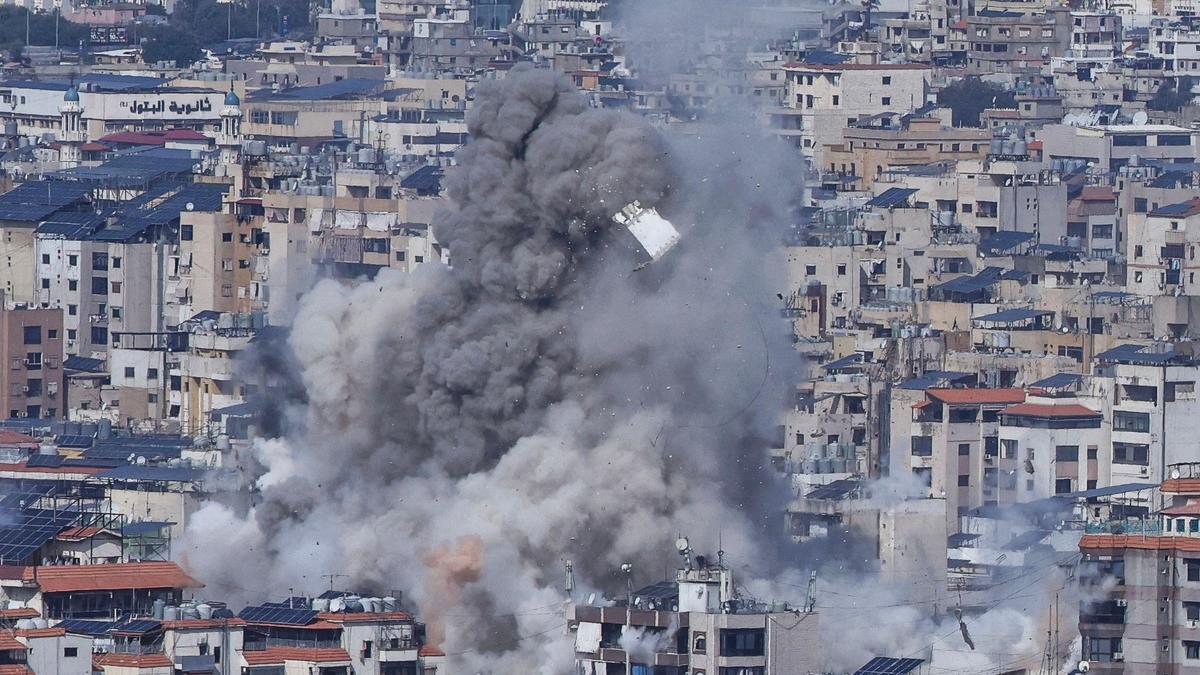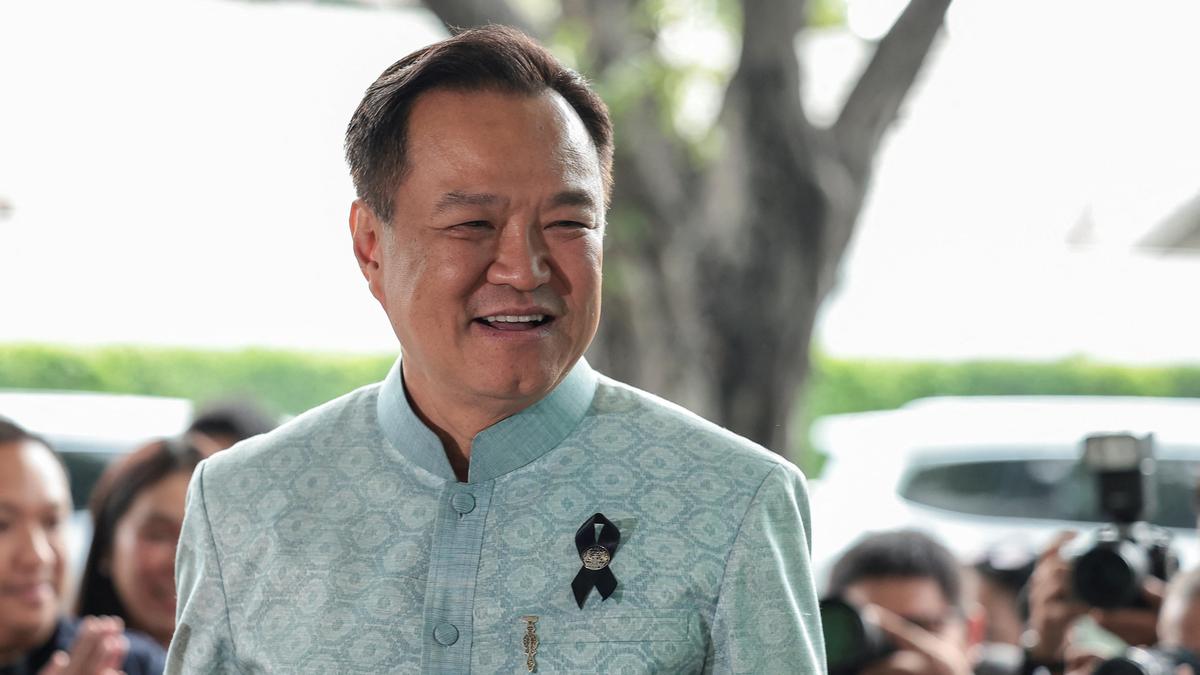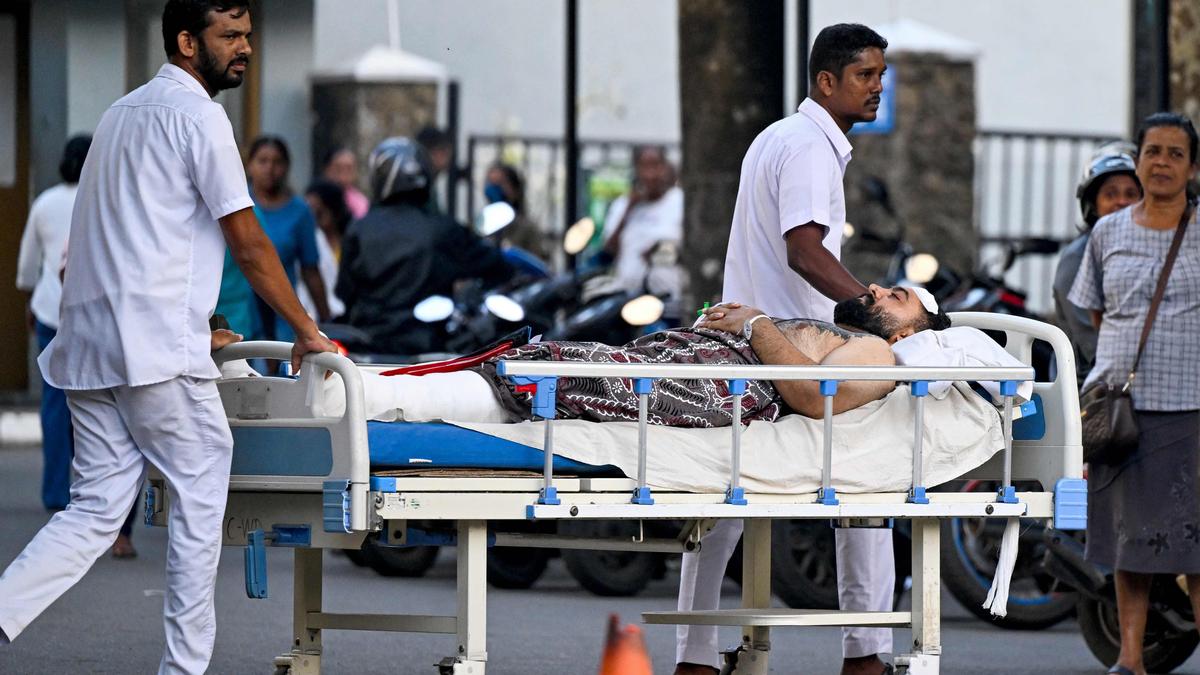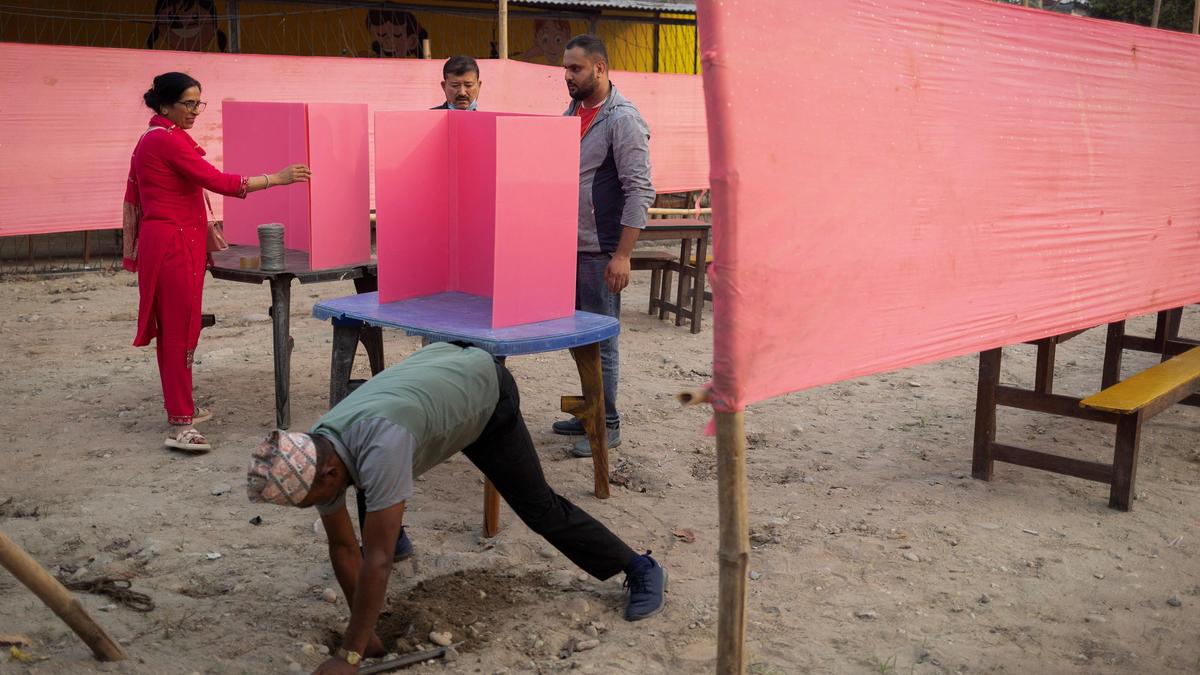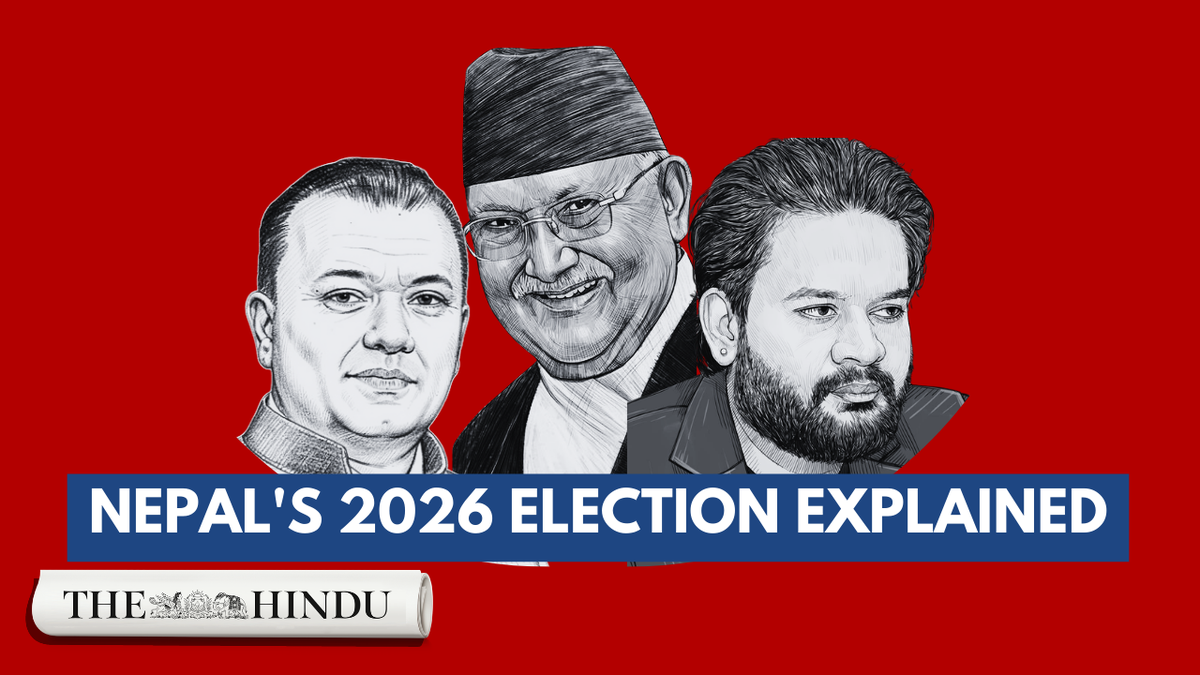
The March 5, 2026, general elections in Nepal represent a forced recalibration of the nation's political architecture, accelerated by the total collapse of the K.P. Sharma Oli administration in September 2025. This is not a routine cyclical transition; it is a high-stakes liquidation of the "old guard" political equity that has dominated since the 2006 peace accords. The dissolution of the House of Representatives (HoR) six months ago, triggered by the "Gen Z" uprisings and a subsequent social media blackout, has created a vacuum that 120 registered parties are now attempting to fill.
The structural integrity of Nepal’s democracy currently rests on a mixed electoral system designed to balance direct representation with inclusive proportional outcomes. This election will determine 275 seats in the HoR: 165 through the First-Past-The-Post (FPTP) mechanism and 110 via Proportional Representation (PR). You might also find this connected article useful: Strategic Asymmetry and the Kinetic Deconstruction of Iranian Integrated Air Defense.
The Three Pillars of Political Realignment
The 2026 electoral landscape is defined by three distinct forces that have disrupted the traditional Maoist-Congress-UML triopoly.
- The Youth Bloc (The Demographic Dividend): With 52% of the 18.9 million registered voters falling within the 18–40 age bracket, the "Gen Z" cohort has transitioned from street-level disruption to institutional participation. Over 800,000 first-time voters have registered since the 2022 polls, driven by a specific grievances-to-action pipeline involving corruption, chronic unemployment, and digital censorship.
- The Rise of Alternative Technocracies: The Rastriya Swatantra Party (RSP), led by Rabi Lamichhane and bolstered by the candidacy of former Kathmandu Mayor Balendra "Balen" Shah, has moved from a fringe urban movement to a national contender. Their platform replaces ideological dogma with a "Service Delivery and Development" model, targeting the inefficiencies of the federal bureaucracy.
- The Fragmentation of the Left: The Communist Party of Nepal (Unified Marxist-Leninist) [CPN-UML] and the newly merged Nepali Communist Party (NCP) are no longer operating within the pre-poll alliance frameworks that historically stabilized their numbers. The elimination of these alliances has exposed the individual "burn rate" of each party's popularity, particularly for K.P. Sharma Oli, whose personal stronghold in Jhapa-5 faces an existential threat from the RSP.
The Cost Function of Governance: Economic and Social Variables
The incumbent political class is currently operating at a deficit of trust, largely due to the failure to manage the "Cost of Living" crisis. The election manifestos reveal a desperate attempt to quantify future stability through ambitious economic metrics. As extensively documented in detailed articles by BBC News, the results are worth noting.
- Growth Targets: The CPN-UML has proposed an aggressive expansion toward a NPR 10 trillion economy within five years, targeting 7–9% annual growth.
- Labor Outflow Mitigation: Nepal’s primary export remains its labor force. The Nepali Congress (NC) has pivoted toward providing mental health and logistical support for migrants, whereas the RSP focuses on creating 1.2 million domestic jobs to arrest the brain drain.
- Digital Sovereignty: The September 2025 social media ban acted as a catalyst for the current uprising. Consequently, the "Digital Battleground" has become a central policy point. Parties are now forced to address the regulation of AI-generated disinformation, which has permeated the campaign cycle, without infringing on the digital rights that the youth bloc considers non-negotiable.
Geopolitical Equilibrium: The Buffer State Bottleneck
Nepal’s strategic position between India and China remains its most complex variable. The incoming government will inherit a foreign policy framework that is increasingly strained by "Transactional Diplomacy."
The Indian Vector: New Delhi traditionally favors a "non-Left" dispensation. The rise of Gagan Thapa within the Nepali Congress—a leader who has moved to the Sarlahi-4 constituency to bridge the Madhesh-Kathmandu divide—signals a potential return to traditional institutional ties. India’s interest lies in a stable, predictable partner to manage the open border and counter-terrorism concerns.
The Chinese Vector: Beijing has historically sought a "Leftist Alliance" to secure its investments in infrastructure and the Belt and Road Initiative (BRI). The fragmentation of the CPN-UML and NCP complicates China’s ability to project influence through a unified ideological bloc.
The Structural Risk of a Hung Parliament
Despite the surge in youth participation, the mixed electoral system (60% FPTP, 40% PR) almost guarantees a fragmented legislature. The 3% threshold for PR seats allows smaller regional and reformist parties to gain a foothold, which historically leads to "revolving-door" coalitions.
- The Bottleneck: While the RSP may win significantly in urban FPTP seats, their lack of a deep-rooted rural organization limits their PR ceiling.
- The Strategy: Established parties like the NC are betting on their "Ground Game" in the provinces to offset losses in the metropolitan centers.
The primary risk factor for the post-March 5 government is the "Expectation-Reality Gap." If the new parliament fails to deliver immediate legislative reform regarding corruption and service delivery, the energy that drove the 2025 protests will likely bypass the electoral system entirely, leading to a new cycle of extra-constitutional unrest.
The strategic play for any emerging coalition will be the immediate establishment of an independent anti-corruption commission with the power to investigate "high-profile" assets. This move is necessary to validate the mandate of the 2026 election and provide the political "breathing room" required to address deeper structural economic reforms.