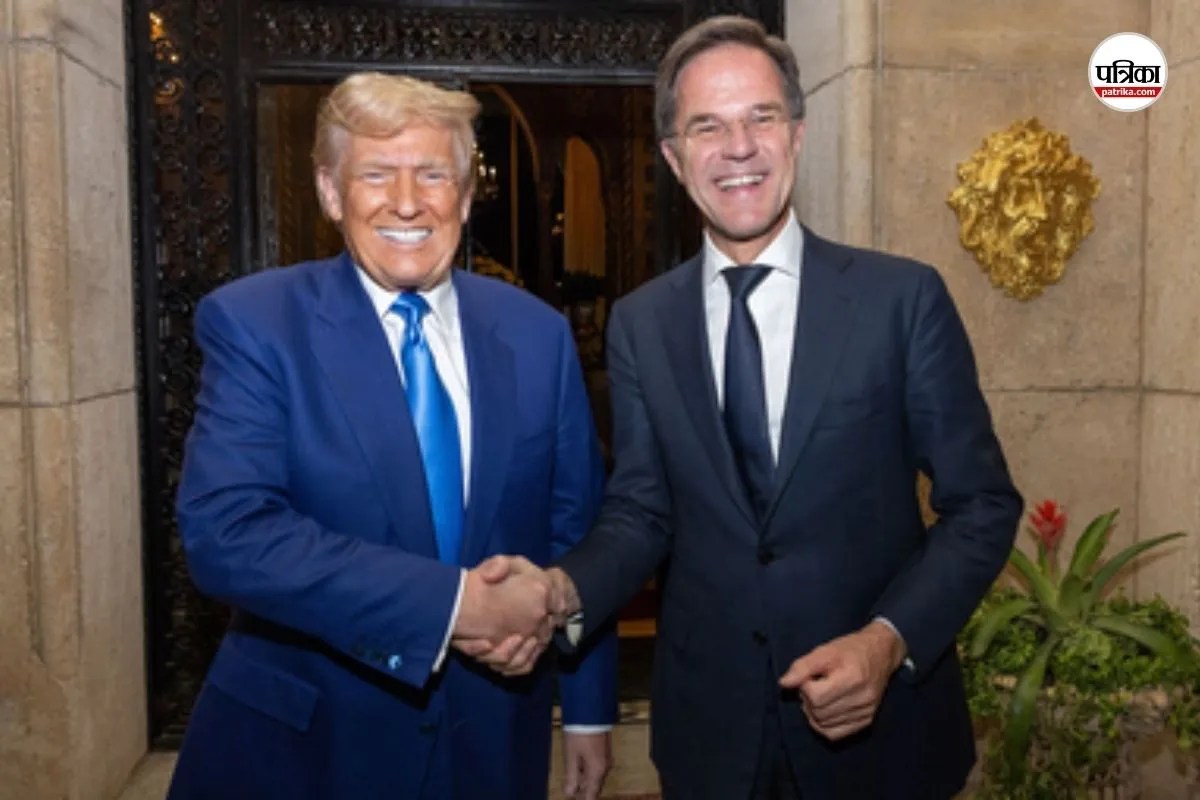
The probability of NATO military intervention in a direct Iran-Israel conflict is governed by structural legal constraints and the shifting burden of the Atlanticist security architecture. While the upcoming meeting between NATO Secretary General Mark Rutte and President-elect Donald Trump suggests a pivot in coordination, any expansion of the alliance’s footprint into the Middle East must navigate the "Out-of-Area" dilemma. NATO is not a global police force; it is a collective defense treaty defined by specific geographical boundaries.
The Article 5 Constraint and the Regional Escalation Matrix
The North Atlantic Treaty’s central mechanism, Article 5, specifies that an armed attack against one or more members in Europe or North America shall be considered an attack against them all. Israel is a Major Non-NATO Ally (MNNA), a status that facilitates technology transfer and intelligence sharing but carries zero mutual defense obligations. Consequently, a direct Iranian strike on Israel does not trigger a collective NATO response.
The mechanism for NATO involvement only activates if Iranian actions—or those of its proxies—directly strike the territory of a member state (such as Turkey) or if the conflict disrupts the maritime security of the Mediterranean or the North Atlantic to a degree that member states invoke Article 4 for consultation.
The Rutte-Trump Intersection: A Shift Toward Transactional Security
Mark Rutte’s scheduled meeting with Donald Trump signifies a transition from the "Values-Based" diplomacy of previous administrations to a "Cost-Benefit" security model. Rutte, often termed the "Trump Whisperer" during his tenure as Dutch Prime Minister, understands that the incoming administration views NATO through the lens of burden-sharing and American national interest.
Three variables will determine the outcome of this dialogue:
- The Burden-Sharing Metric: Trump’s historical insistence on the 2% GDP defense spending floor is no longer a suggestion but a prerequisite for American engagement. Rutte will likely present a ledger showing increased European procurement of U.S. defense systems as a "security tax" to keep the U.S. committed to the European theater while Washington focuses on the Middle East and the Indo-Pacific.
- The Ukraine-Iran Linkage: The proliferation of Iranian Shahed-series UAVs in the Ukrainian theater has merged two formerly distinct security concerns. Rutte will argue that degrading Iran’s military industrial capacity is a direct contribution to European security, potentially framing NATO’s role not as a combatant in the Middle East, but as a logistics and interdiction layer against Iranian proliferation.
- Command and Control (C2) Autonomy: The U.S. may demand that European members take the lead in Mediterranean maritime security, allowing U.S. Central Command (CENTCOM) to focus assets on the Persian Gulf.
Structural Barriers to NATO Kinetic Operations in Iran
NATO operates by consensus. The diverse political alignment of its 32 members creates a high friction coefficient for any offensive operations. While the United States, United Kingdom, and France possess the expeditionary capacity for strikes against Iranian infrastructure, countries like Turkey, Hungary, or Spain often prioritize regional stability or energy security over military escalation.
The "Cost Function" of a NATO-led intervention involves:
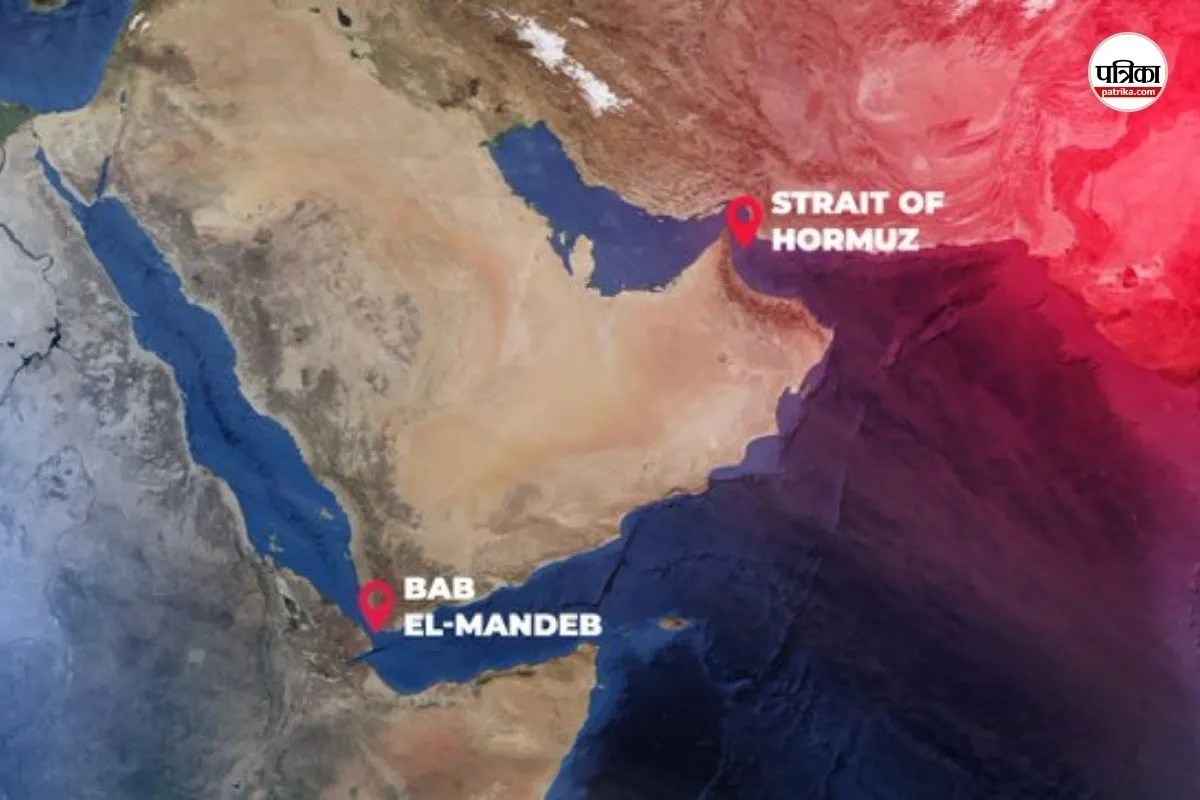
- Asymmetric Retaliation: Iran’s ability to close the Strait of Hormuz creates a global energy price shock that disproportionately affects European economies compared to the energy-independent United States.
- Infrastructure Vulnerability: Southern European members are within the range of Iranian Medium-Range Ballistic Missiles (MRBMs). Without a fully integrated and tested Aegis Ashore or Patriot-based missile defense umbrella across the entire Mediterranean, the domestic political cost of intervention is prohibitive.
- Logistical Overextension: With significant resources tied to the Eastern Flank (deterring Russia), NATO lacks the "surplus" ammunition and personnel to sustain a second high-intensity front in Western Asia.
The Proxy War Paradox and Intelligence Integration
NATO’s involvement is more likely to manifest through the Mediterranean Dialogue and the Istanbul Cooperation Initiative—frameworks that allow NATO to provide training and "capacity building" to regional partners without deploying combat troops.
Information superiority remains the alliance’s primary export. The Combined Federated Battle Laboratories Network (CFBLNet) and other intelligence-sharing protocols allow NATO to provide Israel with real-time tracking of Iranian launches through assets like the AN/TPY-2 radar stationed in Turkey. This "Non-Kinetic Intervention" provides Israel with a defensive edge while allowing NATO to maintain a technical state of non-belligerence.
Strategic Calculation for the Rutte-Trump Era
The shift in NATO leadership occurs at a moment when the alliance must choose between being a regional defense pact or a global security guarantor. If Trump demands a "NATO-ME" (NATO Middle East) concept—an idea he floated during his first term—Rutte faces the challenge of preventing a fracture within the alliance.
The strategic play is not a deployment of the NATO Response Force (NRF) to the Levant. Instead, expect a reinforcement of the "Southern Flank" logic. This involves:
- Increased Naval Presence: Deploying Standing NATO Maritime Groups (SNMGs) to the Eastern Mediterranean to deter Hezbollah or Iranian naval interference.
- Industrial Alignment: Harmonizing sanctions against Iranian drone components to choke the supply chain that feeds both the Middle East and Eastern Europe.
- The "Broker" Strategy: Rutte will position NATO as the logistical backbone for a "Coalition of the Willing" (led by the U.S. and UK) rather than a formal NATO-badged operation, thereby bypassing the need for a consensus vote in the North Atlantic Council.
The geopolitical reality dictates that NATO will remain on the periphery of an Iran-Israel war, acting as a defensive shield for its own borders while delegating the offensive and retaliatory functions to the U.S.-Israel bilateral axis. The Rutte-Trump summit will likely codify this division of labor: Europe secures the backyard; America manages the fire.