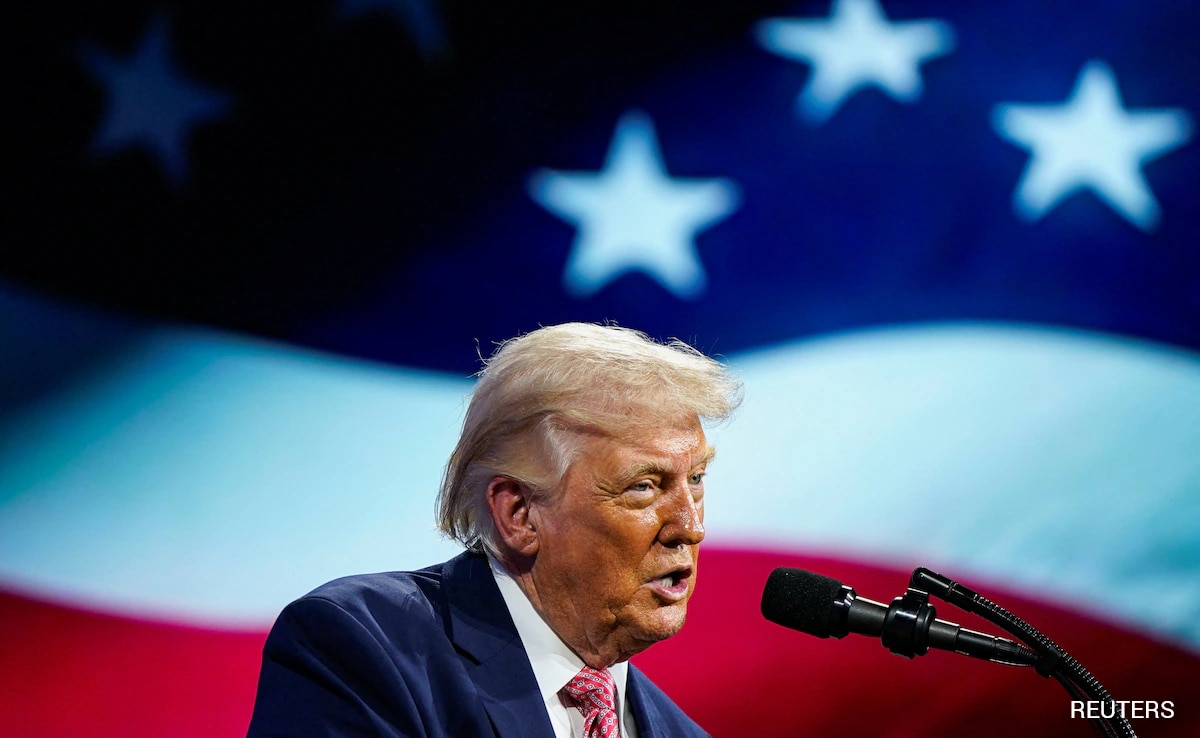
The security architecture of the Western world is currently undergoing a controlled demolition. On March 27, 2026, speaking at an investment forum in Miami, President Donald Trump declared that the United States does not "have to be there for NATO," effectively signaling the end of the post-1945 consensus. This is not another case of rhetorical bluster or a negotiation tactic regarding defense spending. It is a direct response to a fundamental fracture: the refusal of European allies to follow Washington into a unilateral, uncoordinated war against Iran.
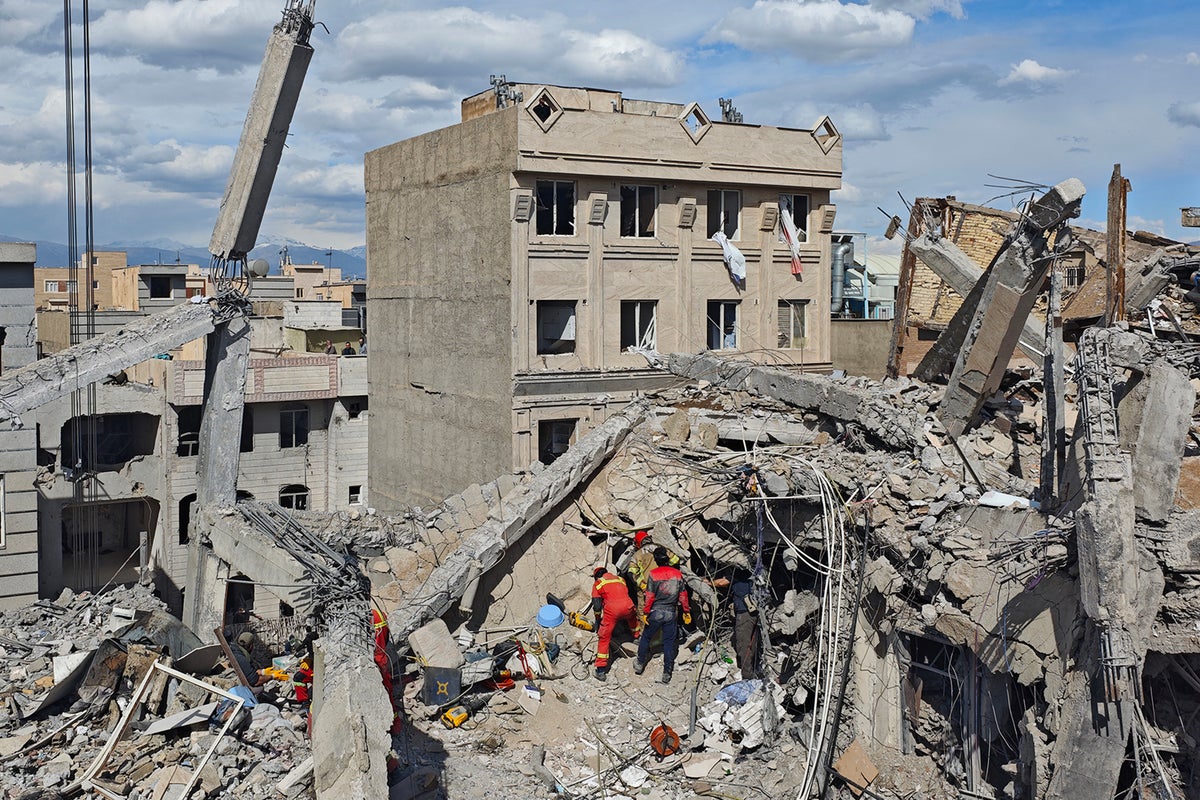
For four weeks, the United States has engaged in a high-intensity military campaign against Iranian nuclear and military infrastructure. This operation was launched without the prior consultation of the North Atlantic Council, yet the White House now demands that Europe treat the Persian Gulf as a NATO theater. The refusal of capitals like Berlin, Paris, and Madrid to provide material support has triggered a "test" that the President says NATO has failed. By framing the alliance as a "one-way street," the administration is moving toward a transactional security model where Article 5—the holy grail of collective defense—is no longer a guarantee, but a service to be rendered only to those who join American expeditions. If you enjoyed this article, you might want to check out: this related article.
The Strait of Hormuz Trap
The immediate friction point is the Strait of Hormuz. With roughly 20% of the world’s oil supply at risk, the White House argued that since Europe is the primary beneficiary of Middle Eastern energy, Europe should bear the cost of securing it.
This sounds logical until you look at the legal and strategic reality. NATO was designed for the defense of the North Atlantic area. Expanding its scope to include offensive operations in the Middle East is a bridge too far for European leaders who are already facing massive domestic anti-war sentiment. In France and Spain, recent polling suggests nearly 70% of the population opposes any involvement in the Iran conflict. When the U.S. demanded that Spain allow strikes to be launched from its territory, Madrid refused. The White House responded by threatening a full trade embargo. For another angle on this story, refer to the latest coverage from The Guardian.
This is no longer diplomacy. It is a siege of the alliance from within.
The Toys and the Carriers
The tension has reached a level of personal vitriol rarely seen in transatlantic relations. During a recent cabinet meeting, the President took a direct swipe at the United Kingdom—traditionally America’s most reliable partner. Despite Prime Minister Keir Starmer’s attempts to offer "defensive support" by allowing the use of British bases, the President dismissed the UK’s naval contributions. He described British aircraft carriers as "toys" compared to the American fleet and suggested they were offered too late to be of any use.
The British government has denied that it offered to send carriers only after the war ended, but the damage is done. The rhetoric serves a specific purpose: to delegitimize the military value of the allies so that their eventual abandonment can be sold to the American public as a cost-saving measure.
The administration’s logic follows a rhythmic, repetitive pattern.
- Act unilaterally.
- Demand unconditional support.
- Decry the lack of support as a betrayal.
- Use that "betrayal" to justify exiting long-standing treaties.
A Structural Shift in Autonomy
European leaders are finally stopping the cycle of waiting for the next U.S. election to "reset" the relationship. The 2026 Munich Security Conference revealed a grim realization among EU diplomats: American volatility is no longer a bug; it is a feature. Even if a more traditional administration eventually takes power, the trust has been fundamentally breached.
We are seeing the birth of true European strategic autonomy, not because Europe wants it, but because it has no choice. Germany’s Chancellor Friedrich Merz has voiced significant doubts about the justifications for the Iran campaign and has notably refused to participate in securing the Strait of Hormuz while the conflict persists. This skepticism is grounded in a hard reality: Europe cannot afford to be dragged into a regional conflagration that lacks a clear exit strategy or a legal mandate.
The Death of Article 5
The most dangerous element of this crisis is the intentional blurring of what triggers a collective defense response. Earlier this month, a ballistic missile intercepted near Turkish airspace revived the debate over Article 5. While NATO Secretary-General Mark Rutte and U.S. officials claimed the incident did not meet the threshold for a collective response, the President’s comments in Miami have effectively killed the deterrent power of the clause.
If an adversary believes the U.S. will "weigh" an ally’s past loyalty before deciding whether to defend them, the alliance ceases to exist. Security is either absolute or it is non-existent. There is no middle ground in nuclear deterrence. By stating "I guess we don't have to be there for them," the President has given a green light to any power looking to test the borders of Eastern Europe.
The United States has decimated much of Iran's visible military capacity—its radar, its navy, and its air force—at a cost nearing $25 billion in just a month. But the invisible cost is much higher. The price of this campaign is the collapse of the most successful military alliance in human history. Washington is betting that it is "the most powerful country anywhere in the world" and does not need help. It is a high-stakes gamble that assumes the U.S. will never again face a threat it cannot handle alone.
Would you like me to analyze the specific economic impact of the proposed trade embargoes on the European defense industry?