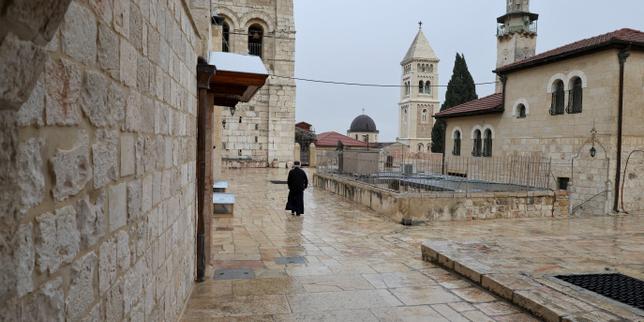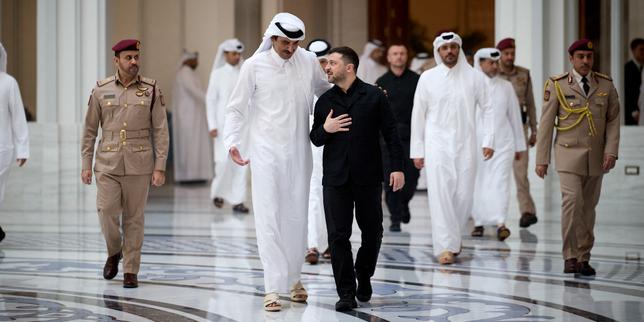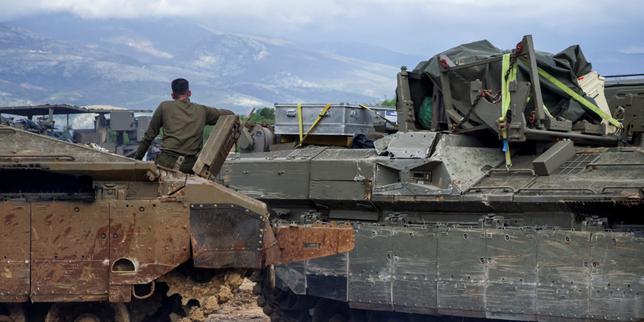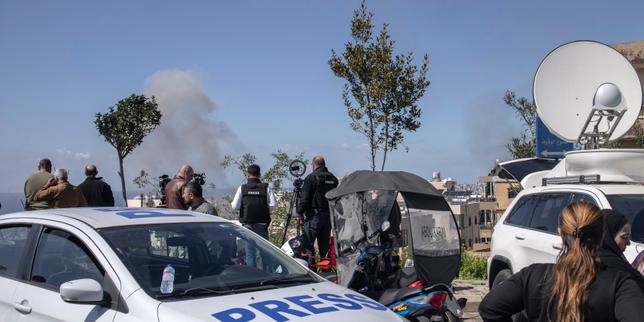
The press is not being "pressured" by outside forces. It is being strangled by its own outdated obsession with a version of "objectivity" that hasn't existed since the invention of the satellite link. We love the narrative of the brave, embattled correspondent fighting against the fog of war and the rise of AI-generated deepfakes. It makes for great cinema. It’s also a convenient lie that hides the real crisis: the total institutional collapse of editorial discernment.
The standard industry take—the one you’ll read in every legacy outlet from Paris to New York—is that journalists are heroic filters in a sea of Middle Eastern misinformation. They claim that "AI images" and "government restrictions" are the primary hurdles. They are wrong. The hurdle is the newsroom itself.
The Alibi of the Algorithm
Media executives are currently using Artificial Intelligence as a universal alibi for their own failures. The "threat" of AI-generated images in the Middle East conflict is the most overblown red flag in modern history. Why? Because the most damaging misinformation isn’t a six-fingered soldier generated by Midjourney. It’s the verified, high-definition, 100% "real" footage that is stripped of context, mistimed, or strategically leaked by state actors.
We are told that AI makes it impossible to know what’s real. That’s lazy. If a newsroom can’t distinguish a generative adversarial network (GAN) output from raw sensor data, they shouldn't be in the business of war reporting. The tools for verification exist. The metadata is there. The "AI panic" is simply a way for editors to excuse their own inability to vet sources at the speed of the internet.
By obsessing over whether a photo is "fake," the media misses the fact that the "real" photos are being used to tell fake stories. A real photo of a crying child from a 2014 conflict, rebranded as 2026, is far more dangerous than an AI-generated one. Yet, the industry focuses on the tech because it’s easier to blame a bot than to admit your regional stringers are compromised or your desk editors are ideologically captured.
The Access Trap and the Death of the On-the-Ground Truth
There is a romanticized notion that "journalists on the ground" are the gold standard. I’ve spent two decades watching how this "ground truth" is manufactured. When a government or a militant group allows a journalist "access," they aren't doing it out of a respect for the Fourth Estate. They are doing it because that journalist has become a high-value asset in their information war.
The "pressure" on journalists isn't just physical danger; it’s the psychological price of entry. To get the permit, to get the interview, to get the "exclusive" footage of the front line, you trade away your skepticism. You accept the "minder." You follow the "suggested" route.
The result? "Embedded" journalism is just high-budget stenography. We aren't seeing the war; we are seeing the tour of the war. When legacy media complains about being barred from certain zones, they are mourning the loss of their ability to be useful idiots for one side or the other.
The False Equivalence of Data
People often ask: "How can we trust any side when both use propaganda?"
This question is the ultimate victory for the status quo. It assumes that "the truth" lies exactly in the middle of two competing lies. It doesn’t. In the Middle East, truth is often found in the margins that both sides are trying to bury.
The industry’s response to this is "balance." If you report on a strike by Side A, you must immediately find a spokesperson for Side B to provide a "counter-point." This creates a vacuum of accountability. If one side says it’s raining and the other says it’s dry, the journalist’s job isn’t to quote both; it’s to look out the window and report that it is, in fact, raining.
Instead, modern coverage has become a ledger of accusations. "Side A claims X, Side B denies X." This isn't journalism. It’s a transcript of a shouting match. It requires zero expertise, zero investigation, and zero courage.
The Verification Industrial Complex
In the last five years, we’ve seen the rise of "OSINT" (Open Source Intelligence) as the supposed savior of war reporting. Groups like Bellingcat have shown what is possible when you stop relying on "official sources" and start looking at satellite imagery and TikTok geolocations.
However, legacy media has hijacked the OSINT brand without adopting its rigor. They use "verification" as a buzzword to add a veneer of science to their reporting. I have seen newsrooms "verify" a video’s location—which is the easy part—and then leap to a conclusion about who fired the missile based on nothing but a tweet from a "local activist" with 400 followers.
True verification requires understanding the ballistics, the specific munitions used, and the atmospheric conditions. It requires technical literacy that most "conflict reporters" simply do not possess. They are humanities majors trying to solve physics problems.
Why You Should Stop Caring About "Bias"
The obsession with "media bias" is a distraction. Everyone is biased. The danger isn’t the journalist who has a point of view; it’s the journalist who pretends they don't.
The most "objective" sounding reports are often the most manipulative because they use the language of neutrality to shield themselves from criticism. They use passive voice—"civilians were killed"—to avoid naming the killer. They use "clashes" to describe one-sided massacres. They use "tensions" to describe systematic oppression.
If you want the truth about the Middle East, stop looking for a "neutral" source. Neutrality in the face of war is a form of cowardice. Look for sources that are transparent about their methodology, that show their work, and that aren't afraid to be proven wrong.
The Actionable Pivot: How to Read the News Now
If you want to actually understand what is happening in a conflict zone, you have to change how you consume information.
- Ignore the "Breaking" Tag. If it happened in the last hour, the report is almost certainly wrong in its details. Wait 24 hours for the initial propaganda fog to lift.
- Follow the Munitions, Not the Rhetoric. Official statements are noise. Debris patterns, satellite imagery of troop movements, and shipping manifests are data. Learn to recognize the difference between a thermobaric explosion and a standard HE (High Explosive) hit.
- Cross-Reference Outside the Language Barrier. If you only read English or French coverage of the Middle East, you are living in a curated bubble. Use translation tools to see what the regional presses are saying—not because they are "truer," but because they reveal the specific narratives being fed to the local populations.
- Demand Raw Data. If an article cites a "report" or a "study" without linking to the primary source, discard it. If they show a blurred video instead of the raw file, ask why.
The current media landscape isn't "struggling" to cover the war. It is successfully managing the public's perception of it to ensure its own continued relevance and access. They don't want you to see the war; they want you to see them seeing the war.
Stop buying the narrative of the "oppressed journalist." The real victims are the facts that get sacrificed on the altar of a 24-hour news cycle that prizes speed over accuracy and "balance" over truth.
The technology isn't the problem. The "pressures" aren't the problem. The problem is a professional class that has forgotten that their primary duty is not to maintain "civility" or "neutrality," but to be a nuisance to anyone in power.
If your reporting doesn't make both sides want to ban you, you aren't reporting. You're participating.