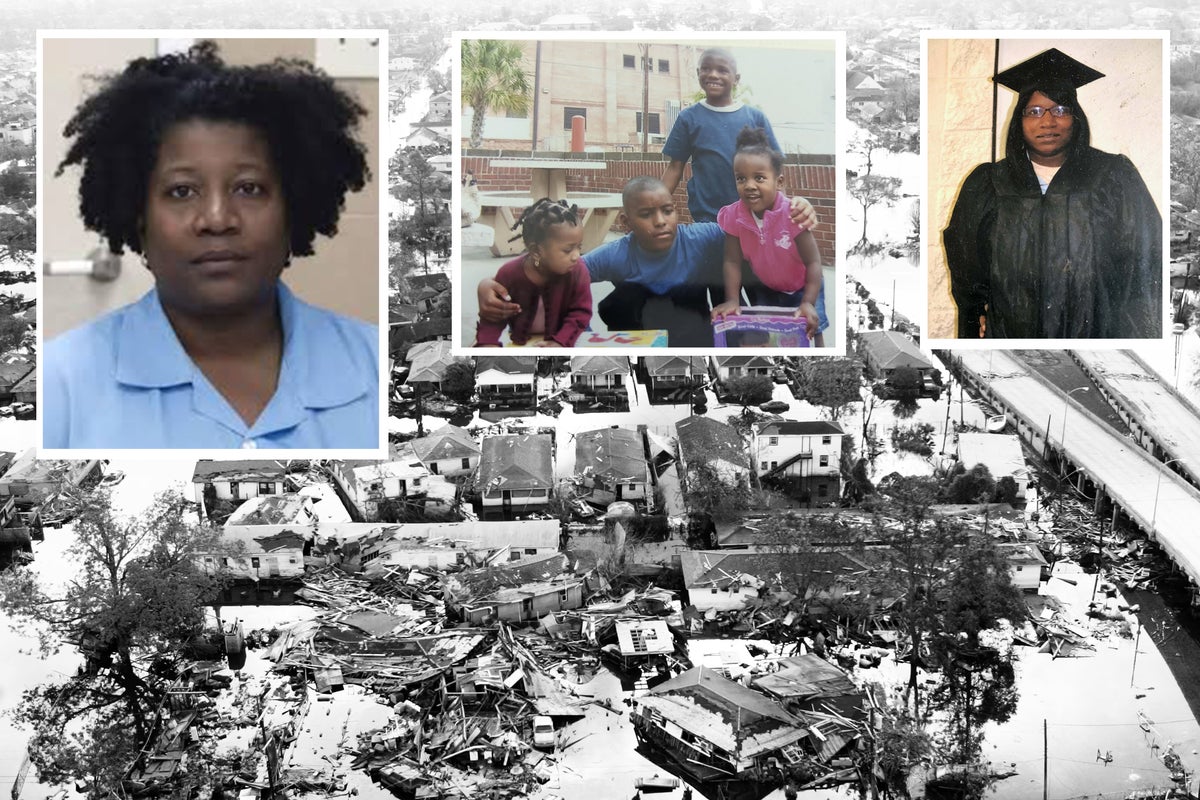
Justice is not a math equation, and it certainly isn't a customer service desk where you trade "time served" for a ticket home. The recent outcry over a woman denied parole by a single vote—after serving a life sentence for killing an infant with cow’s milk—is a masterclass in misplaced empathy. The narrative being peddled is simple: a tragic mistake, a lack of education, and a "cruel" system clinging to a decades-old grudge.
That narrative is wrong. It ignores the fundamental duty of a legal system to distinguish between a lapse in judgment and a catastrophic failure of human guardianship.
When we talk about "killing a baby with cow’s milk," the headline does the heavy lifting for the defense. It sounds like a nutritional oops. It sounds like a grocery store error. It wasn't. We are talking about the systematic administration of a substance that, in the specific context of neonatal care, acts as a slow-motion poison. To frame this as a "single vote" tragedy is to insult the gravity of the life lost.
The False Equivalence of Ignorance
The most dangerous lie in modern criminal justice discourse is that ignorance of consequences equals an absence of intent. In the case of infant mortality through dietary negligence, the "I didn't know" defense is a convenient shield.
I have spent years analyzing how institutional bodies evaluate risk. I have sat in rooms where the difference between a "yes" and a "no" on a parole application came down to the candidate's ability to acknowledge the sheer weight of their incompetence. When a caregiver ignores the physiological reality of an infant's digestive system, they aren't just making a mistake. They are gambling with a life that cannot consent to the stakes.
Standard cow’s milk contains high concentrations of protein and minerals. For an adult, it’s a latte. For a newborn, it’s a metabolic assault. The kidneys of a neonate are not equipped to handle the solute load. It leads to severe dehydration, electrolyte imbalances, and eventual organ failure. To suggest that a caregiver is "serving life for a mistake" is like saying a person who leaves a toddler in a hot car is "serving time for a weather error."
The outcome is the same. The negligence is total.
Why the Single Vote Matters
The media loves the "one vote away" trope because it implies a system that is capricious and unfair. If one person had changed their mind, she’d be free. Therefore, the system is broken.
Reverse that logic. If the vote was that close, it means the board did its job. It means they wrestled with the tension between rehabilitation and the permanent nature of the crime. A unanimous "no" is easy. A split decision is where the real evaluation happens.
Parole boards are not there to be nice. They are there to assess risk to the public and the adequacy of the punishment. When a board denies parole in a high-profile negligence case, they are often signaling that the perpetrator has failed to demonstrate a deep enough understanding of why their actions were fatal.
If the applicant still views the death as a "misunderstanding" or a "freak accident," they haven't been rehabilitated. They’ve just been waiting.
The Science of Dehydration as a Weapon
Let’s dismantle the "cow's milk isn't a weapon" argument. In forensic pathology, we look at the mechanism of death. When a child dies from the improper administration of fluids, it is an agonizing process. It is not a sudden "oops." It is days of lethargy, crying, and physiological distress.
To overlook these signs requires a level of detachment that borders on the sociopathic or the profoundly negligent. Neither of those qualities makes for a safe bet for parole.
Critics point to the fact that this woman has been in prison for decades. They argue that "enough is enough." But who decides when the price for a life is paid in full?
- The Argument for Time Served: "She’s learned her lesson."
- The Reality: A life sentence is exactly what it says on the tin. Parole is a privilege, not a biological right that matures after twenty years.
The "Education" Scapegoat
The "lazy consensus" says we should blame the lack of public health education in the 80s and 90s. We are told she didn't know better.
I’ve seen this play out in corporate liability and criminal negligence alike. If you take on the responsibility of a vulnerable life, the burden of knowledge is on you. We don't excuse a pilot for crashing a plane because they didn't read the manual. We don't excuse a doctor for a lethal dosage because they weren't "educated" on that specific brand of medication.
Parenting is the only high-stakes profession where the public demands we lower the bar to the floor. By making excuses for lethal negligence, we devalue the lives of the children who didn't survive it. We are essentially saying that if you are poor enough or uneducated enough, your child’s life is worth less in the eyes of the law.
Stop Asking if She’s "Suffered Enough"
The question being asked by advocates is: "Has she suffered enough?"
The question the parole board is asking is: "Is justice served, and is the public safe?"
These are not the same thing. You can suffer in a 6x9 cell for forty years and still be a person who lacks the fundamental empathy or cognitive awareness to be trusted in a society that requires adherence to basic safety norms.
The "single vote" that kept her behind bars wasn't an act of cruelty. It was likely a vote for the sanctity of the victim's life. It was a vote that recognized that some actions, however "unintentional" they are claimed to be, carry a weight that cannot be lifted by the passage of time or the signing of a petition.
We live in a culture that is obsessed with the redemption arc. We want the movie ending where the prisoner walks out into the sunlight and we all feel better about ourselves. But true justice doesn't care about your feelings. It doesn't care about a "redemption arc." It cares about the fact that a child who should be forty years old today never got to see his first birthday because the person who was supposed to protect him chose convenience over his life.
If you want to fix the system, stop crying over the "unfairness" of a parole denial and start demanding a higher standard for those who hold the lives of the most vulnerable in their hands.
Don't look for a "next step" in the legislation. Look for a shift in your own perspective. Stop prioritizing the comfort of the perpetrator over the memory of the dead.
The board didn't fail. They did the one thing no one else wants to do: they remembered the baby.
The door stayed shut for a reason. Accept it.

.png?width=1200&auto=webp&trim=0%2C0%2C0%2C0)