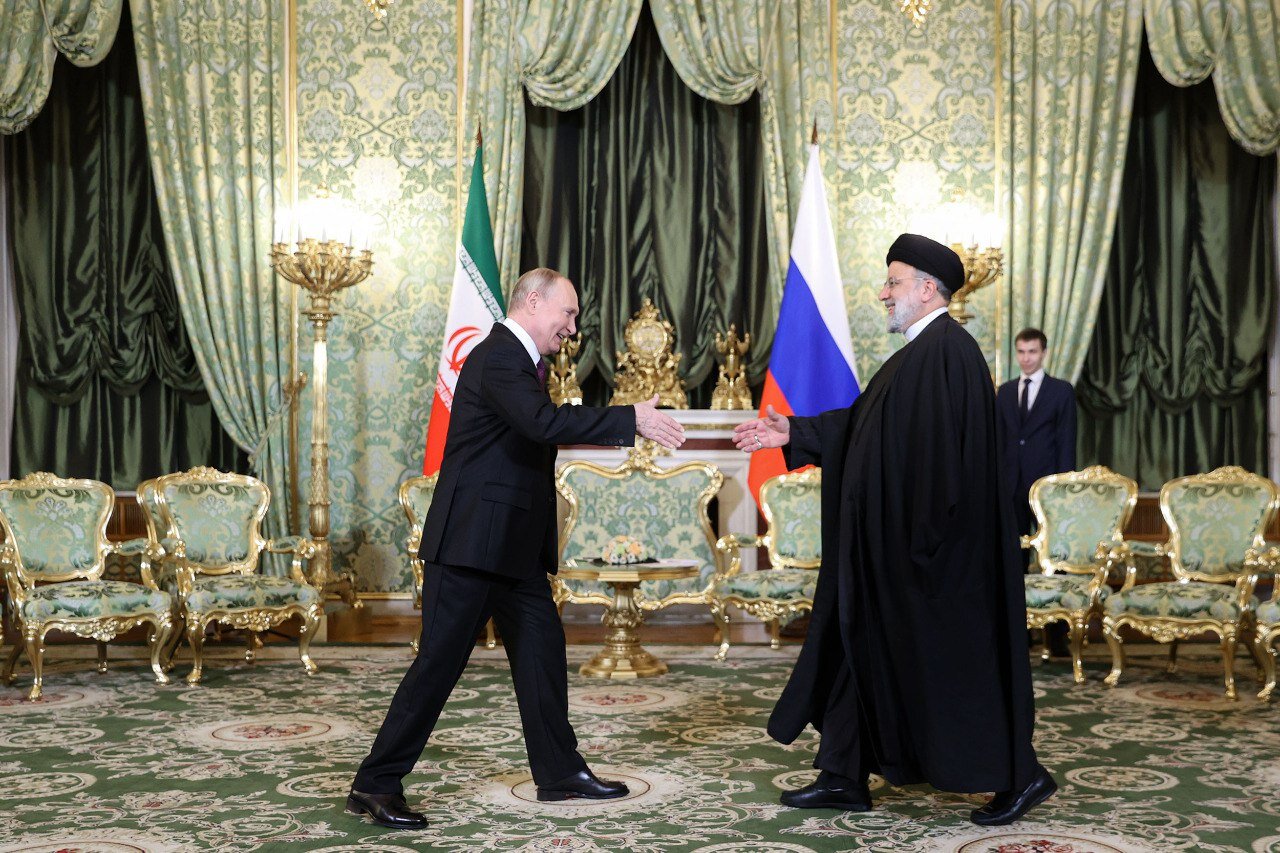
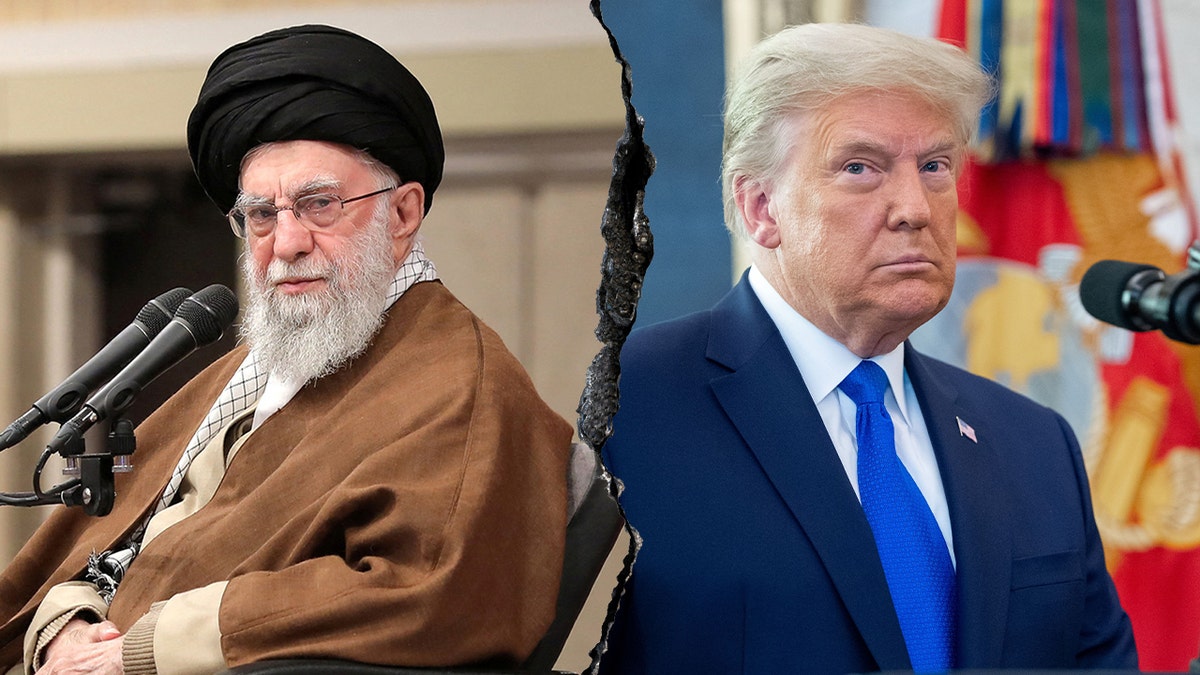
Geopolitics isn't a team sport, despite what the "analysts" on cable news want you to believe. The recent chatter from former Trump administration officials suggests a comfortable, cozy relationship with India while dismissing Pakistan’s role as a mediator between Iran and the U.S. It’s a neat, linear narrative. It’s also dangerously wrong.
If you believe India is a "stable partner" that will blindly back Western interests against Tehran, you haven't been paying attention to the Port of Chabahar. If you think Pakistan is a spent force in Middle Eastern diplomacy, you’re ignoring the raw geography of the Strait of Hormuz. We are watching a masterclass in misplaced confidence.
The Chabahar Contradiction
The "lazy consensus" is that India is the ultimate counterweight to China and a reliable ally for U.S. interests in West Asia. This ignores the $500 million elephant in the room: India’s massive investment in Iran’s Chabahar Port.
India isn't looking to isolate Iran. India is looking to bypass Pakistan to reach Central Asian markets. This creates a fundamental divergence in interests. While Washington uses sanctions as a blunt force instrument to cripple the Iranian economy, New Delhi is actively building the infrastructure that keeps Iran relevant as a regional transit hub.
You cannot be "comfortable" with a partner that is financially incentivized to ensure your primary adversary remains economically viable. India’s policy is "Strategic Autonomy." In plain English, that means they will take the U.S. weapons and the Silicon Valley investment, but they will not lift a finger to help the U.S. navy blockade the Persian Gulf. I’ve seen diplomats waste years trying to "align" these interests. They aren't aligned. They are orbiting different suns.
Pakistan: The Necessary Villain
Dismissing Pakistan’s mediation between Iran and the U.S. as "questionable" is a failure of basic tactical math. Pakistan shares a 900-kilometer border with Iran. They share a religion, a history of cross-border insurgency, and a mutual need to keep the lights on.
When a former U.S. official says they don’t trust Islamabad to mediate, they are right—they shouldn't "trust" them. But trust is a luxury for the naive. Diplomacy is about leverage. Pakistan has it; India, in the context of Iran, does not.
Pakistan is the only entity that can talk to the IRGC (Islamic Revolutionary Guard Corps) and the Pentagon in the same afternoon without triggering an immediate missile launch. They are the "backchannel" because they are the only ones with the skin in the game. If Iran explodes, Pakistan catches the shrapnel. That makes them a more motivated mediator than a "comfortable" partner sitting thousands of miles away in New Delhi.
The Geography of Leverage
- Border Proximity: India is separated from Iran by a hostile landmass or a long sea voyage. Pakistan is right there.
- Religious Connectivity: The Shia-Sunni dynamics within Pakistan mean Islamabad has internal political reasons to prevent an all-out regional sectarian war.
- The China Factor: Beijing uses Pakistan as its proxy. If you want to know what China is thinking regarding Iranian oil, you don't look at New Delhi. You look at the Islamabad-Tehran corridor.
The "Stable India" Delusion
The status quo argument insists India is the predictable choice. This is a misunderstanding of the word "stable." India’s domestic politics are increasingly nationalistic and inward-looking. Their refusal to condemn Russia’s actions in Ukraine should have been the wake-up call.
India will always choose India.
When the U.S. asks for help with Iran, India will point to its energy needs. When the U.S. asks for help with Russia, India will point to its defense contracts. This isn't a criticism of India—it’s a recognition of their competence. They are playing the game better than the Americans. They have convinced the D.C. establishment that they are "comfortable" allies while they build a multi-polar world that actively undermines U.S. hegemony.
Stop Asking if Pakistan is Trustworthy
The premise of the question "Can Pakistan be a mediator?" is flawed. The real question is: "Can the U.S. afford not to use them?"
Imagine a scenario where the U.S. ignores Pakistani channels and tries to use India as a go-between. Iran would laugh New Delhi out of the room. Why? Because Iran knows India needs them more than they need India. Iran holds the keys to India's energy security and its access to the North-South Transport Corridor. India has zero leverage over the Ayatollah.
Pakistan, however, has the ability to squeeze or ease the border. They have intelligence assets on the ground that the CIA would kill for. They are "unreliable" precisely because they are effective. They have their own agenda, which means they actually have something to trade.
The Cost of Comfort
The Trump-era officials and their successors are addicted to the "India Rising" narrative because it feels safe. It’s easy to sell to voters. It’s easy to write in a policy brief. But "comfort" is the precursor to catastrophe in foreign policy.
We are ignoring the reality that:
- India's interests in Iran are purely mercantilist.
- Pakistan's interests in Iran are existential.
- The U.S. interests in Iran are ideological.
You cannot bridge an ideological gap with a mercantilist partner. You bridge it with an existential one.
The Hard Truth of Middle Eastern Realpolitik
The U.S. doesn't need a "comfortable" friend in the region. It needs a cold-blooded functionalist. India is busy building its own empire. Pakistan is busy trying to survive. In the theater of mediation, the survivor is always more useful than the emperor.
If you want a truce with Iran, you don't go through the guy trying to sell them car parts and port cranes. You go through the guy who knows exactly which mountain passes the smugglers are using.
Stop looking for "stability" in New Delhi. Start looking for utility in Islamabad. It’s ugly, it’s frustrating, and it’s the only way to avoid a third Gulf War.
Stop treating geopolitics like a dinner party where you only invite people you like. It's a poker game. India is playing with your chips. Pakistan is the house. And the house always knows the true count.
Dump the "comfort" narrative. Embrace the friction. That is where the deals are actually made.