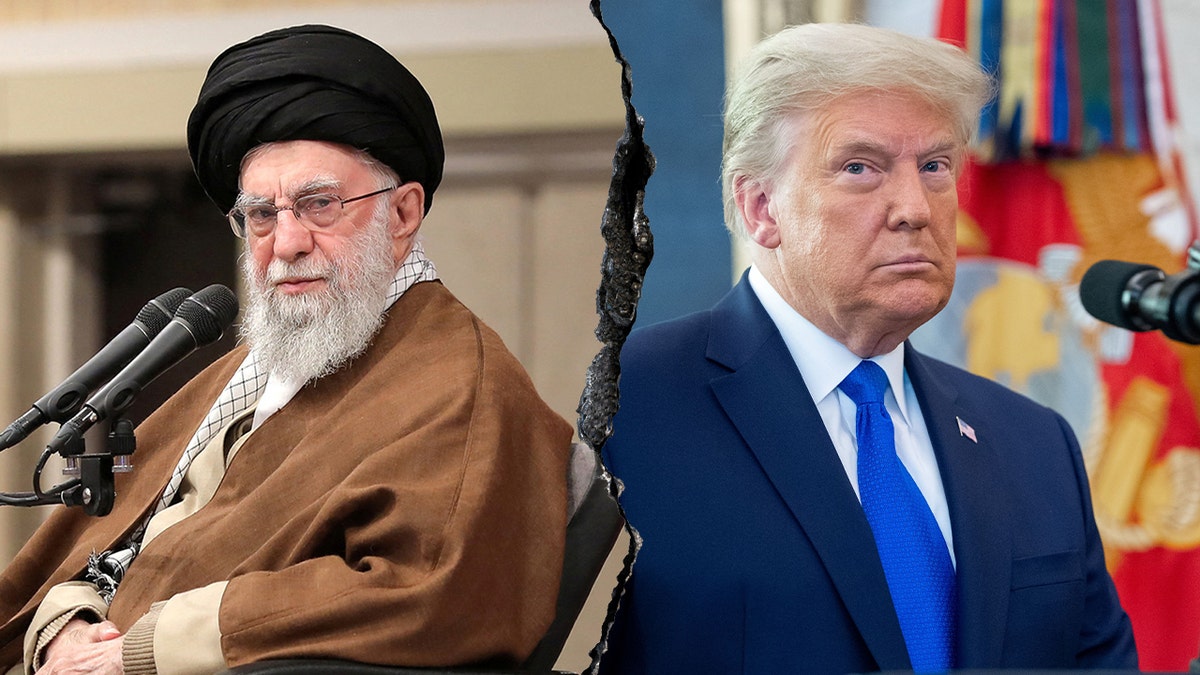
The shadow war just came into the light, and it's messier than any strategist predicted. We’ve spent decades talking about "red lines" in the Middle East, but those lines didn't just blur this week—they evaporated. When reports surfaced that Israel and the US coordinated strikes against Iranian nuclear infrastructure while Tehran’s proxies and naval assets pushed into the Gulf, the old playbook for regional stability officially hit the shredder.
This isn't just another exchange of long-range missiles or a brief skirmish in the desert. We're looking at a fundamental shift in how global powers handle the Iranian nuclear threat and how Tehran intends to hold the world's oil supply hostage. If you thought gas prices were volatile before, you haven't seen what happens when the Strait of Hormuz becomes a primary combat zone.
The Strategy Behind Hitting the Nuclear Core
For years, the consensus was that a direct hit on Iranian nuclear sites like Natanz or Fordow would be a "last resort" move—something that would only happen if intelligence showed a "breakout" was literally days away. By moving now, the US and Israel have signaled that the policy of containment is dead.
The targets weren't just warehouses. They were the heart of the enrichment program. Sources indicate that the precision of these strikes aimed to set back Iran’s centrifuges by years, not months. It's a massive gamble. The logic is simple but brutal: if you can't talk them out of a bomb, and you can't sanction them out of a bomb, you have to physically remove the capability.
But here’s what most analysts miss. This wasn't a solo Israeli run. The level of logistical support and refueling required for a hit this deep inside Iranian territory suggests a level of US involvement that Washington usually tries to keep behind a curtain of "plausible deniability." That curtain is gone. By participating, the US has signaled to the Gulf states—Saudi Arabia, the UAE, and Qatar—that it's willing to risk a total regional war to prevent a nuclear-armed Tehran.
Tehran Hits Back Where It Hurts the Most
Iran’s response wasn't a mirror image. They didn't try to fly jets over Tel Aviv. Instead, they went for the jugular of the global economy: the Persian Gulf. By attacking shipping lanes and targeting energy infrastructure in the Gulf, Tehran is playing the only high-stakes card it has left.
It's a strategy of "if we burn, you burn with us."
The attacks on tankers and port facilities aren't just about revenge. They're about leverage. Iran knows that the West’s Achilles' heel isn't a military base—it's the price of a gallon of gas in a mid-term election year. By turning the Gulf into a "no-go" zone for insurance companies and shipping giants, they’re trying to force the international community to restrain Israel.
I've watched these cycles for years, and this feels different. Usually, there’s an off-ramp. Usually, both sides do just enough to "save face" and then retreat to their corners. This time, the scale of the nuclear damage makes a "quiet" retreat impossible for the Iranian leadership. They have to show their hardliners, and their proxies in Lebanon and Yemen, that they can still draw blood.
Why the Gulf States Are Scrambling
The monarchies in the Gulf are in a terrifying spot. On one hand, they loathe the idea of a nuclear Iran. On the other, they’re the ones who will literally feel the heat if Iranian missiles start raining down on desalinization plants or oil refineries.
We’re seeing a frantic bit of diplomacy behind the scenes. These nations are no longer just "US allies." They’re becoming independent actors trying to hedge their bets. They’ve seen that US protection comes with the price of being a front-line target in a war they didn't start. Watch for the UAE and Saudi Arabia to ramp up their own defense spending to levels we haven't seen since the Cold War. They aren't just buying jets anymore; they're looking for missile defense systems that can handle "saturation attacks"—where hundreds of drones and missiles are fired at once to overwhelm the sensors.
The Intelligence Failure or the Intelligence Success
There’s a massive debate right now about how this started. Did Iran think they could push a bit further without a kinetic response? Or did the US and Israel see an opening they couldn't pass up?
The reality is likely a mix of both. Iran’s internal politics have been fractured, and the leadership might have overestimated their "strategic depth." At the same time, Mossad and the CIA have clearly penetrated the Iranian nuclear program deeper than anyone realized. You don't hit those specific targets without pinpoint, real-time data from the ground.
What This Means for Your Wallet
Let’s get practical. This isn't just a "foreign news" story.
- Insurance Premiums: Shipping insurance for the Gulf is about to skyrocket. That cost gets passed directly to you at the pump and the grocery store.
- Defense Stocks: You'll see a massive surge in aerospace and defense sectors as every country in the region realizes their current "umbrellas" aren't enough.
- Energy Transition: This will ironically speed up the shift to renewables in Europe and Asia. When the Middle East is on fire, the "reliability" of oil becomes a myth.
The old era of "managed tension" is over. We're in an era of direct confrontation. The strikes on Iran's nuclear sites weren't the end of a chapter; they were the opening line of a much darker book.
Keep a close eye on the shipping manifests coming out of the Strait of Hormuz over the next 72 hours. If the commercial traffic stops, the global economy hits a wall. You should prepare for sustained volatility in the energy markets and a potential realignment of how the US manages its "permanent" presence in the region. The days of "easy" oil are buried under the rubble of those enrichment facilities.
Monitor the daily reports from the International Energy Agency (IEA) and the US Energy Information Administration (EIA). They'll provide the first hard data on how much supply is actually being throttled. Don't wait for the evening news to tell you gas prices are going up; look at the crude futures the moment the markets open on Monday.