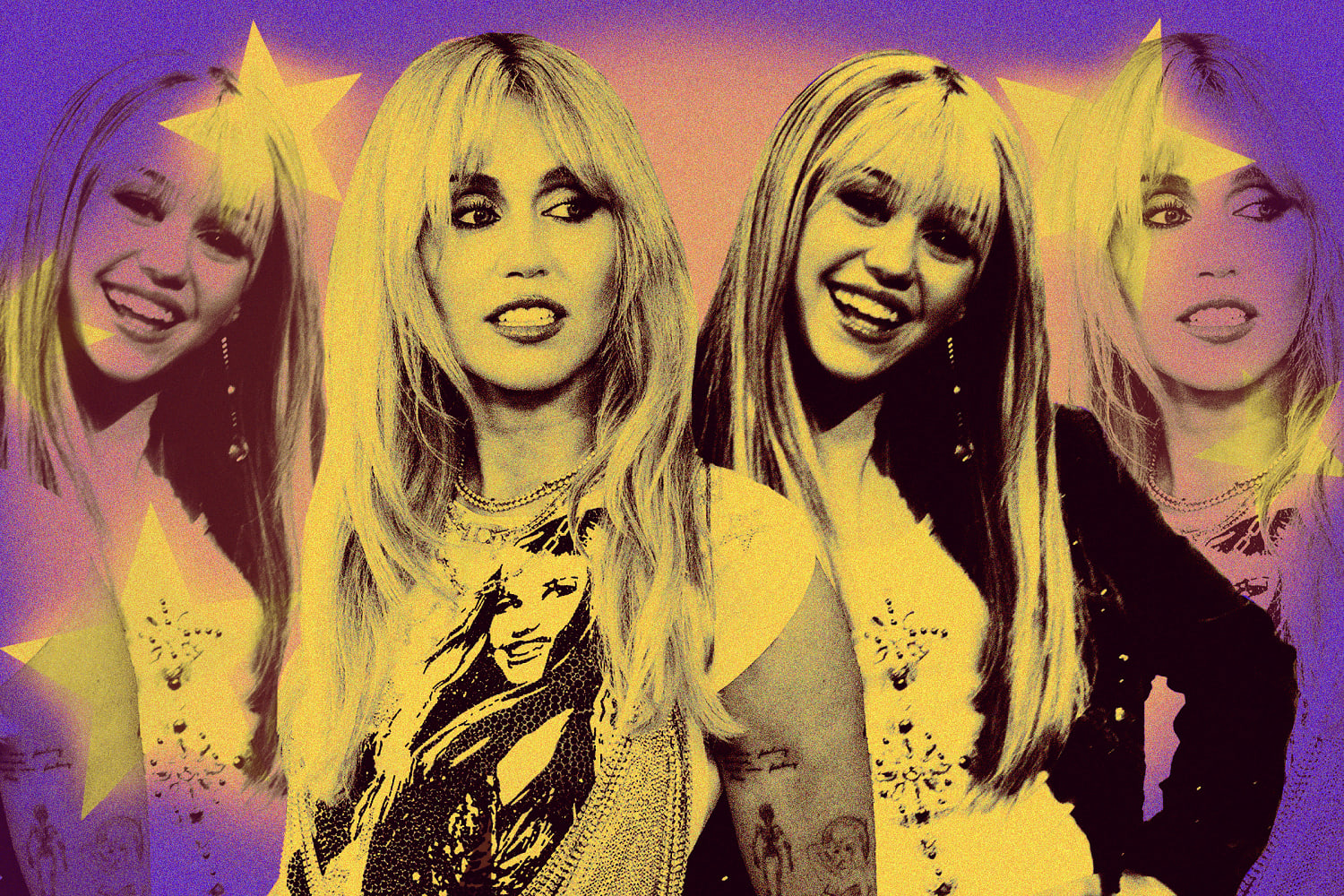
The recent resurgence of interest in the Hannah Montana franchise—exemplified by coordinated watch parties and high-engagement social events—is not a spontaneous outburst of fan affection but the result of a calculated convergence between legacy intellectual property (IP) management and the psychological phenomenon of nostalgia-driven consumption. To understand why a teenage sitcom from the mid-2000s maintains its grip on a demographic now entering peak earning years, one must analyze the structural mechanics of the "Nostalgia Loop." This loop functions through three primary drivers: chronological distancing, the stabilization of identity through media, and the gamification of communal viewing.
The Triad of Nostalgia Value Extraction
The economic viability of a Hannah Montana special or anniversary event rests on the ability to transform a passive childhood memory into an active adult lifestyle choice. This transformation follows a specific logic of market segmentation.
- Chronological Distancing and Scarcity: Value increases as the distance from the original air date grows, provided the IP remains culturally "dormant" rather than overexposed. By limiting new content for years, the owners created a vacuum that fans now fill with high-effort, high-spend events like themed parties involving sequins and professional-grade costumes.
- Identity Anchoring: For the target demographic—primarily women aged 22 to 34—the franchise serves as a stable reference point in a volatile digital economy. Consuming this content provides a temporary "reset" to a period of perceived lower cognitive load, making the consumer less price-sensitive regarding related merchandise or event tickets.
- Communal Validation: The "sing-along" format is a strategic tool for synchronization. When a crowd participates in a shared rhythmic and lyrical exercise, the individual's barrier to brand loyalty drops. This creates a self-sustaining marketing engine where the fans become the primary promoters of the IP through social media documentation.
The Mechanics of the Modern Watch Party
The "watch party" has evolved from a casual living room gathering into a sophisticated micro-economy. These events function as experiential pop-ups that bypass traditional broadcast metrics in favor of high-density engagement.
The Cost-Benefit of the Aesthetic Experience
Participants in these celebrations often invest significant capital into the "sequin and sing-along" aesthetic. This expenditure serves as a social signaling mechanism. The cost of participation includes:
- Physical Props: Custom apparel, wigs, and decor that mirror the show’s mid-2000s "glam-rock" aesthetic.
- Digital Real Estate: The "Instagrammability" of the event. If a watch party is not visually optimized for short-form video platforms, its cultural value diminishes by an estimated 70% in terms of reach.
- Time Opportunity Cost: Curating a specialized playlist or organizing a venue requires hours of labor, which fans now treat as a form of "prosumerism"—where the consumer also acts as a producer of the brand's current relevance.
Intellectual Property Longevity and the Dual-Persona Narrative
The core of the Hannah Montana IP is the "Best of Both Worlds" duality. From a structural analysis standpoint, this narrative framework is exceptionally resilient because it mirrors the modern professional’s struggle with digital and physical identities.
Why the Narrative Scales
The show's central conceit—a girl leading a double life—resonates differently with adults than it did with children. For the adult fan, Miley Stewart/Hannah Montana represents the friction between the authentic self and the curated professional brand. This resonance ensures that the IP does not "age out" of its audience's interest. Instead, the audience reinterprets the text through their current life stage.
The "sing-alongs" mentioned in recent reports are the sonic manifestation of this resonance. Lyrical themes regarding secrecy, fame, and friendship are processed by the adult brain as metaphors for navigating the corporate world and maintaining long-term social circles. This psychological depth provides a "moat" around the IP, preventing newer, flashier franchises from easily displacing it.
The Logistics of the Sing-Along as a Revenue Driver
Music is the most efficient vector for nostalgia because it bypasses the analytical brain and triggers the limbic system. The sing-along format serves two critical business functions:
- Retention: It is difficult to disengage from a media product when you are physically participating in its delivery.
- Catalog Resurrection: Every watch party triggers a spike in streaming numbers for the original soundtrack. This "long-tail" revenue is pure profit for the IP holder, as the production costs were amortized nearly two decades ago.
The reliance on sequins and specific costume tropes acts as a barrier to entry that paradoxically increases loyalty. By requiring a "uniform," the fan community creates an in-group/out-group dynamic. Those who "dress the part" are signaling a deep commitment to the brand, which translates into a higher lifetime value (LTV) for the franchise.
Market Vulnerabilities and Saturation Risks
While the current surge is robust, it is not infinite. The strategy of relying on nostalgia faces three specific bottlenecks.
The Fatigue Threshold
Over-saturation of "specials" or "anniversary editions" can lead to nostalgia fatigue. If the market is flooded with Hannah Montana content, the scarcity value collapses, and the IP becomes "background noise" once again.
The Demographic Shift
The current "sweet spot" of 20-something fans will eventually move into a life stage (parenthood, senior management) where the time-cost of organizing "sequined sing-alongs" becomes prohibitive. If the franchise fails to recruit a younger "Gen Alpha" audience, it will face a terminal decline as its primary user base ages out of the experiential market.
Authenticity Friction
There is a constant tension between the original star’s current brand and the legacy IP. When the performer’s modern public image deviates too sharply from the nostalgic character, it creates "brand dissonance." This can cause a segment of the fan base to reject new "specials" in favor of strictly consuming the original 2006-2011 media.
Strategic Optimization for IP Holders
To maximize the ROI of this cultural moment, the following tactical shifts are required:
- Transition from Passive to Interactive Media: Instead of standard broadcast specials, the focus should shift to "Live-to-Film" concert experiences that formalize the watch party trend into a ticketed touring model.
- Digital-Physical Hybrid Merchandising: Releasing "vault" merchandise that was previously unavailable, marketed specifically as "vintage," allows for a higher price point than standard mass-market goods.
- Data-Mining Fan Events: Using social media scraping to identify which specific songs or episodes trigger the highest "emotional volatility" (measured via sentiment analysis and share rates) to dictate the tracklist of future releases.
The current fan celebrations are not merely "parties." They are a sophisticated form of decentralized brand management. The fans are effectively performing the work of a marketing department—curating the aesthetic, managing the distribution of hype, and maintaining the cultural relevance of the product—all while paying for the privilege. The success of the Hannah Montana special confirms that the most valuable asset in the modern attention economy is not new content, but the ability to weaponize existing memories through structured communal experiences.
IP holders must now move beyond the "anniversary special" format and begin treating these fan-led gatherings as the primary engine for brand sustainment. This involves providing high-quality digital assets (official instrumentals, 4K remastered clips) directly to event organizers, effectively "franchising" the watch party concept without the overhead of physical venue management.