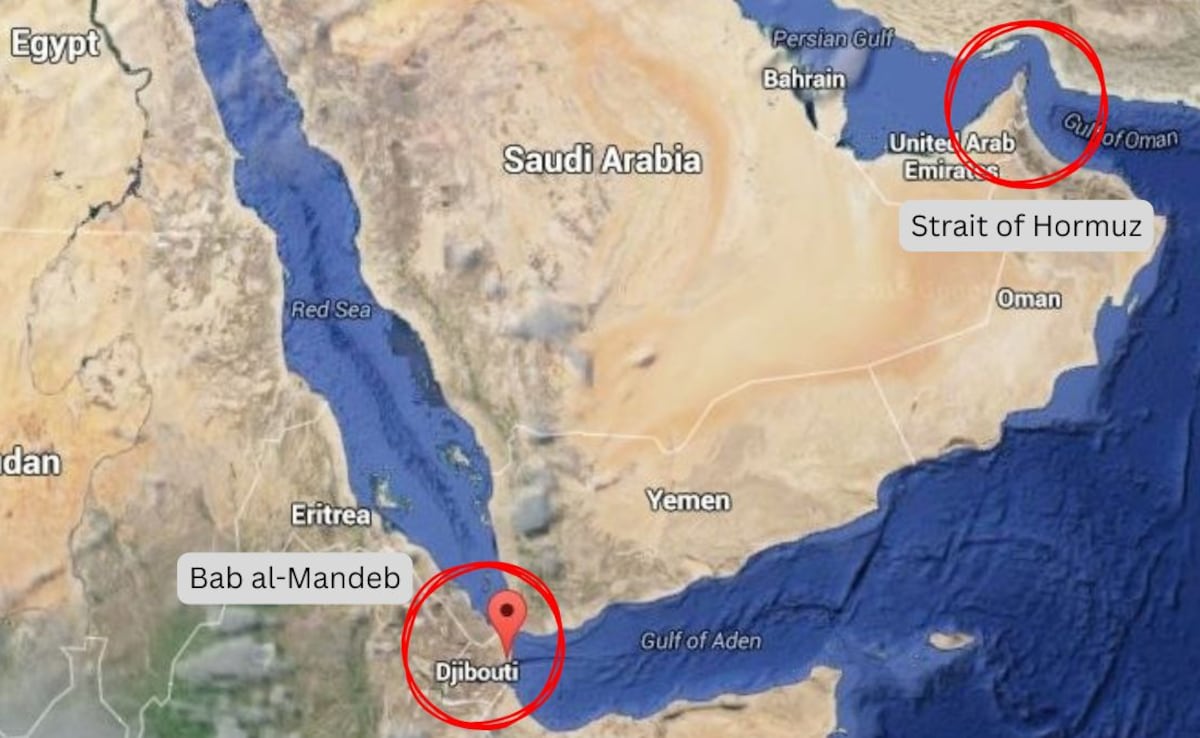
The headlines are celebrating. They tell you that India has secured a golden ticket through the Strait of Hormuz. They claim that being on Tehran’s "friendly nation" list is a strategic masterstroke for energy security.
They are wrong.
In the brutal reality of maritime logistics and global sanctions, a "friendly" designation from a pariah state isn't an asset. It is a target. It is a diplomatic liability that creates a false sense of security while tethering Indian sovereign interests to a regime that uses international shipping lanes as a poker chip. If you think a piece of paper from the Islamic Revolutionary Guard Corps (IRGC) guarantees a smooth ride through the world's most volatile chokepoint, you haven't been paying attention to how power actually moves on the water.
The Myth of the Green Channel
The prevailing narrative suggests that the Strait of Hormuz is a binary environment: you are either a target or you are safe. By being labeled "friendly," the logic goes, Indian-flagged tankers and vessels carrying Indian crude can bypass the harassment, the boarding parties, and the limpet mines that have plagued the region since the late 1980s.
This is a fundamental misunderstanding of Iranian naval doctrine. Iran does not operate a professional navy in the Western sense within the Gulf; it operates a "mosquito fleet" of fast-attack craft designed for asymmetric disruption. These units do not always check a diplomatic spreadsheet before they act.
The "Friendly List" is not a hall pass. It is a tool for leverage. By publicly naming India as a protected entity, Tehran is effectively trying to force New Delhi into a "neutrality" that looks an awful lot like complicity. The moment India aligns too closely with US-led maritime security initiatives—like Operation Prosperity Guardian—that "friendly" status will vanish faster than a signal from a jammed transponder.
The Insurance Reality Check
Here is what the analysts in high-rise offices forget: the captains of these ships don't answer to the Iranian Foreign Ministry. They answer to their insurers.
London-based maritime insurers and the International Group of P&I Clubs do not lower premiums because a nation is on a "friendly" list. In fact, the opposite often happens. When a country is singled out for special treatment by a sanctioned regime, it flags that country’s shipping as a high-risk category for "secondary sanctions" or "sanction evasion" monitoring.
If an Indian tanker is granted "safe passage" while a neighboring vessel is seized, the global financial system doesn't see a success story. It sees a potential breach of the U.S. Treasury’s Office of Foreign Assets Control (OFAC) regulations.
Consider the mechanics of a standard shipping contract.
- The War Risk Surcharge: This is triggered by the geography, not the diplomacy. As long as drones are flying in the Gulf, the cost of moving oil remains astronomical.
- The "Shadow Fleet" Risk: Being "friendly" with Iran often involves using ship-to-ship (STS) transfers to mask the origin of the cargo. This ruins the resale value and legal standing of the vessel in any Western port.
- The Legal Void: If an Iranian vessel accidentally damages an Indian ship, do you really think the "friendly" status will result in a swift, fair settlement in a Tehran court?
Sovereignty is Not a Gift from Tehran
The most dangerous aspect of this development is the erosion of Indian strategic autonomy. For decades, India has practiced "multi-alignment." It buys S-400s from Russia, conducts military drills with the US, and invests in the Port of Chabahar.
By accepting the "friendly nation" tag in the context of the Hormuz passage, India is inadvertently validating Iran’s claim that it has the right to decide who passes through an international waterway. Under the United Nations Convention on the Law of the Sea (UNCLOS), the right of transit passage is non-negotiable. It is an inherent right, not a gift to be bestowed by a coastal state.
When New Delhi celebrates this list, it essentially says, "We acknowledge your right to block others, as long as you let us through." That is a coward’s bargain. It undermines the very international law that India relies on to challenge Chinese aggression in the South China Sea. You cannot demand freedom of navigation in the Indo-Pacific while cheering for "selective" navigation in the Middle East.
The Energy Security Illusion
Let’s talk numbers. India imports over 80% of its crude oil. A significant portion of that comes from Iraq, Saudi Arabia, and the UAE—all of which must transit the Strait of Hormuz.
Iran's "friendly" list is a classic bait-and-switch. Tehran knows that India is desperate to keep the lights on and the petrol pumps full. By offering "safe passage," they are attempting to ensure that India remains a quiet, compliant customer for Iranian condensate and a vocal opponent of further Western sanctions.
But look at the data on ship seizures over the last five years. Iran has seized tankers regardless of their "status" if it served a specific tactical goal—such as retaliating for a seized Iranian cargo in Gibraltar or Greece. "Friendly" is a temporary state of mind in the IRGC, not a permanent policy.
The True Cost of Admission
- Diplomatic Alienation: Every time India leans into this Iranian "friendship," it burns political capital in Washington and Riyadh.
- Operational Risk: Indian crews become pawns. If a "friendly" ship is boarded "for inspection," India is less likely to react forcefully, making its sailors easier targets for soft-hostage diplomacy.
- Infrastructure Dead-Ends: Reliance on the Hormuz passage, even a "safe" one, slows the development of alternative routes like the India-Middle East-Europe Economic Corridor (IMEC).
Stop Asking if the Route is Safe
The question isn't whether Iran will let Indian ships through. The question is: why is India allowing itself to be categorized by a nation under total economic siege?
We have seen this play out before. In the 1980s "Tanker War," both sides claimed they were only hitting "hostile" shipping. The result was a graveyard of steel at the bottom of the Gulf.
The industry insiders who are nodding along to these reports are the same ones who thought the Red Sea was safe until the first Houthi drone hit a "neutral" ship. There is no such thing as neutrality in a combat zone. There is only the capability to defend your assets or the willingness to pay the ransom.
The Brutal Advice for Indian Maritime Interests
If you are running a shipping firm or managing a national energy portfolio, ignore the list.
- Double Down on Hard Security: India needs more destroyers in the region, not more "friendly" designations. The only thing that guarantees passage in the Strait of Hormuz is the presence of a naval escort with a clear rules-of-engagement mandate.
- Diversify Away from the Chokepoint: Treat the "friendly list" as a sign of impending instability. Accelerate the strategic petroleum reserves and look toward Atlantic and African crude sources that don't require navigating a 21-mile-wide throat controlled by a revolutionary government.
- Demand Reciprocity, Not Permission: Stop thanking Tehran for "allowing" passage. Start demanding that the IRGC adheres to international maritime law.
Iran needs India far more than India needs Iran’s permission to sail. India is one of the few major economies willing to engage with Tehran. That makes India the boss in this relationship, not a supplicant waiting for a "safe passage" sticker.
The "Friendly Nation" list is a psychological operation designed to fracture the international coalition against maritime bullying. If India accepts this role, it isn't securing its oil; it is subsidizing its own eventual extortion.
Build bigger ships. Send more frigates. Stop smiling at the men holding the gates.