The Pacific Coast Highway at Newport Beach doesn't smell like salt water and vacation. It smells like hot brake pads, expensive cologne, and the low-frequency hum of impatient money. This is where the asphalt dreams of Southern California go to die in gridlock. On a Tuesday afternoon, when the sun catches the chrome of a slow-moving luxury SUV just right, it can feel like paradise. But for those on two wheels, it feels like a gauntlet.
Think about the physical reality of a bike lane. It is a strip of paint. Often, it's just a six-inch wide white line separating forty pounds of aluminum and bone from three tons of steel and glass. To a driver, that line is a suggestion. To a cyclist, it is a border wall that fails every single day.
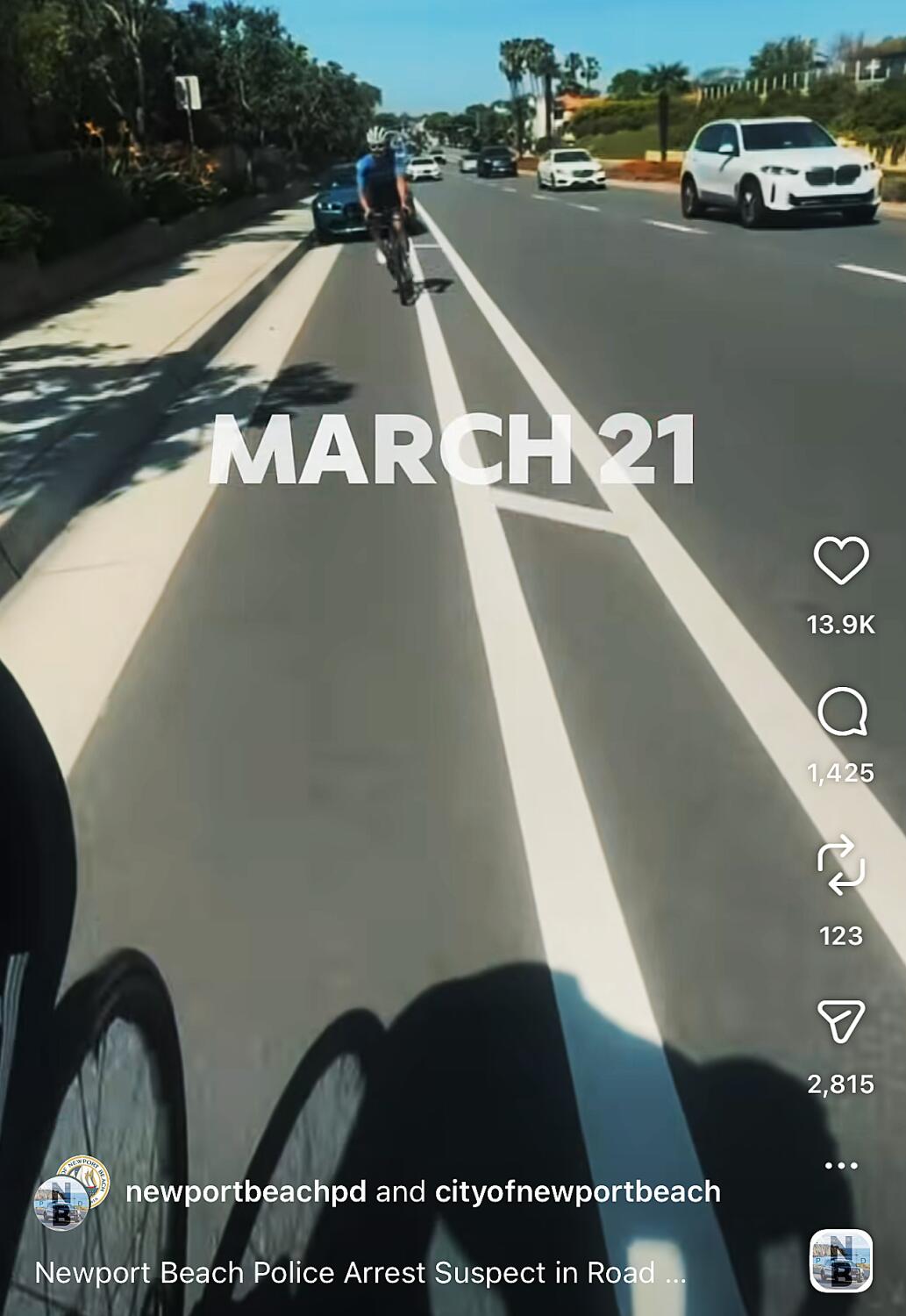
When a 2017 BMW 340i swerved into that sacred, narrow space near East Coast Highway and Newport Coast Drive, the friction wasn't just between tires and road. It was the moment a civil society cracked.
The Physics of Rage
Road rage is a misnomer. It isn't about the road. It is about the sudden, violent realization that someone else’s existence is inconvenient to your own.
Witnesses described a scene that felt less like a traffic dispute and more like a hunt. The black BMW didn't just clip the cyclist; the driver used the vehicle as a multi-thousand-pound prosthetic limb to express a grievance that words couldn't carry. There is a specific kind of terror that settles in your gut when you realize a car isn't trying to pass you—it is trying to occupy the space where your body currently resides.
The cyclist, whose name is less important than what they represent, was doing what the law demands. They were in the lane. They were predictable. They were visible.
None of that mattered.
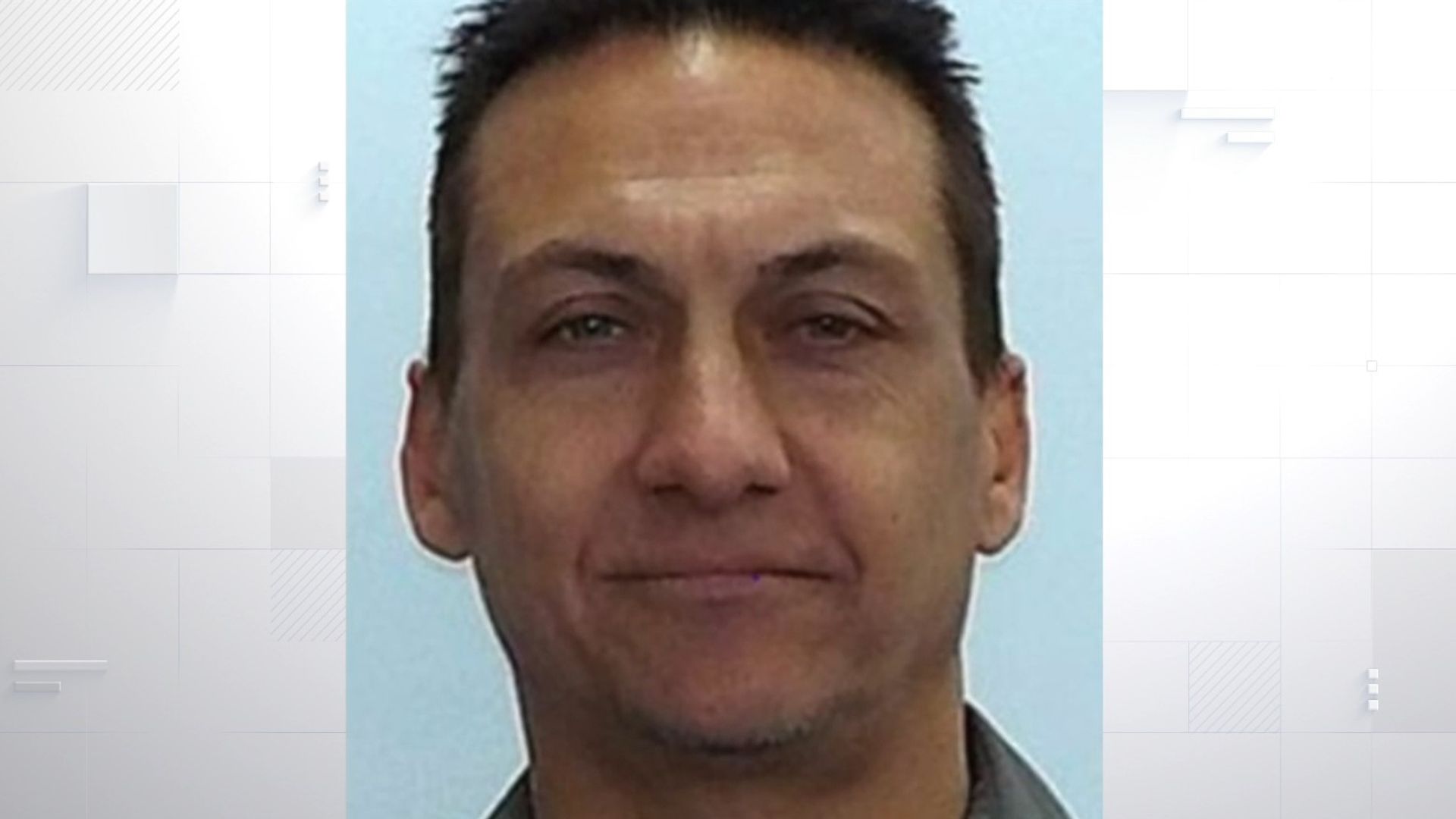
The Newport Beach Police Department arrived to find the aftermath of a predatory impulse. They arrested the driver, a 36-year-old man, on charges of assault with a deadly weapon. The deadly weapon wasn't a gun or a knife. It was a Bavarian-engineered luxury sedan with leather interior and a premium sound system.
The Invisible Stakes of the Commute
We tend to look at these incidents as isolated outbursts. We call them "accidents" or "altercations." That is a lie we tell ourselves so we can keep driving.
Consider the psychological weight of the "Bike Lane." To the person in the car, the cyclist is a rhythmic annoyance, a slow-moving obstacle that forces a foot onto the brake pedal. To the person on the bike, every car is a potential ending.
When you sit inside a BMW, you are cocooned. You have airbags, crumple zones, and climate control. You are separated from the world. When you are on a bike, you are part of the world. You feel the temperature drop by two degrees under a bridge. You smell the exhaust of the car ahead of you. You hear the click of a gear shift.
The power imbalance is absolute. When a driver decides to "teach a lesson" to a cyclist, they aren't engaging in a fair fight. They are conducting an execution that fortunately, in this Newport Beach case, failed to complete its task. The police didn't just take the man; they took the car. The BMW was seized as evidence—a silent, metallic witness to a moment where someone decided their schedule was worth more than a human life.
The Cost of the Corridor
Newport Beach is one of the wealthiest enclaves in the country. It is a place where order is expected. People pay high property taxes to ensure the hedges are trimmed and the streets are safe. Yet, the statistics tell a grimmer story about our shared transit.
In California, bicycle fatalities have trended upward over the last decade, often because the infrastructure creates a false sense of security. A painted line provides no structural integrity. It offers zero protection against a driver who has reached their breaking point after forty minutes of stop-and-go traffic.
The arrest on East Coast Highway serves as a rare moment of accountability in a system that usually favors the motorized. Usually, the cyclist is blamed for "not wearing high-visibility gear" or "veering slightly." Here, the evidence was so overwhelming, the intent so clear, that the driver left in handcuffs and his status symbol left on a flatbed.
The Mirror in the Windshield
Why does a bike lane provoke such vitriol?
There is a documented psychological phenomenon where drivers cease to see cyclists as people and begin to see them as "out-group" objects. They aren't a father going to get groceries or a woman commuting to her law firm; they are a "cyclist." An abstraction. A nuisance.
When we dehumanize the person on the bike, the car becomes a tool of correction. We "buzz" them to scare them. We honk to startle them. We drift into their lane to remind them who owns the asphalt.
But the road doesn't belong to the loudest engine. It belongs to the public.
The Newport Beach incident is a mirror held up to every person who has ever felt their blood boil because a bike slowed them down for six seconds. That rage is a choice. The driver of that BMW made a choice to cross a white line, and in doing so, he crossed a moral one that he cannot simply drive back over.
The car is currently sitting in an impound lot, a quiet hunk of metal. The driver is facing a felony. The cyclist is alive, likely shaking, forever changed by the sound of a revving engine behind their left shoulder.
We live in a world where we are increasingly insulated from one another. Our cars are getting bigger, quieter, and more disconnected from the environment. As the glass gets thicker, our empathy gets thinner.
The next time you see that white paint on the shoulder, remember that it isn't a border. It is a fragile agreement. It is a promise that we won't kill each other just to get to a red light five seconds faster.
In Newport Beach, that promise was broken. The police can impound the car, but they can't fix the culture that convinced a man a bike lane was a hunting ground.
The white line is still there, thin and peeling under the California sun.