The manhunt is over. It didn't end in a courtroom or a quiet surrender. It ended with more gunfire. When a fugitive accused of killing two police officers is shot dead by authorities, the immediate reaction is usually a mix of relief and a lingering, heavy frustration. You feel the relief because the immediate threat to the public is gone. You feel the frustration because a trial would've provided answers that a morgue never will.
Law enforcement agencies spent days on high alert. They combed through woods, checked abandoned buildings, and monitored highway cameras with a level of intensity reserved for those who kill "one of their own." But this isn't just about the thin blue line. It's about the reality of what happens when a suspect decides they aren't going back to a cell.
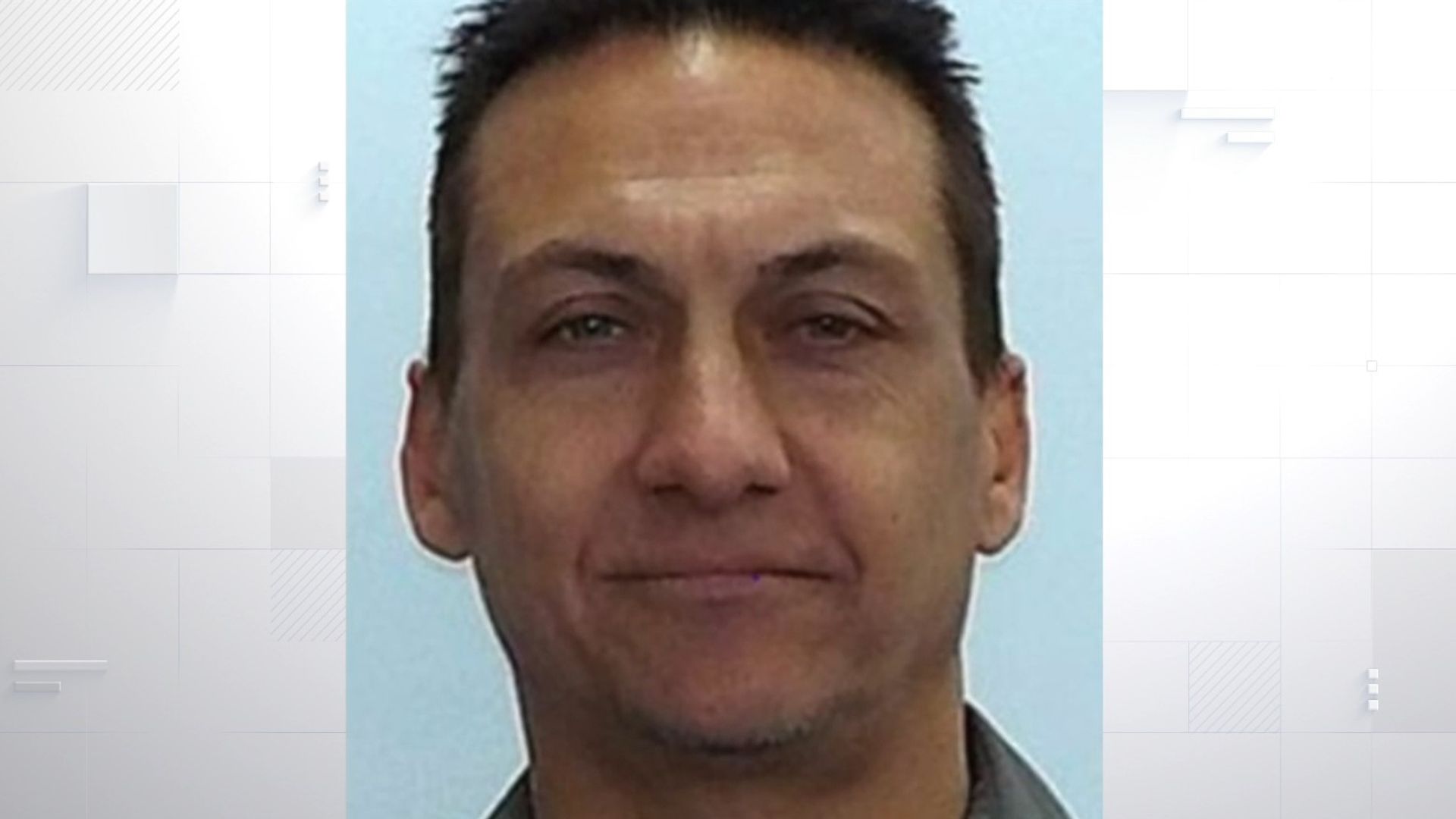
The suspect, whose name had been plastered across digital billboards and social media feeds, was cornered in a confrontation that left no room for negotiation. Police say they opened fire after the fugitive brandished a weapon or refused to comply with commands. It’s a script we’ve seen before. It’s brutal, it’s fast, and it leaves a trail of trauma that doesn't just disappear once the yellow tape comes down.
Why Manhunts for Police Killers Are Different
Every crime is serious. But killing a police officer triggers a specific, massive mechanism within the justice system. It's not just about ego. It's about the perceived challenge to the rule of law. If someone is willing to pull the trigger on an armed, trained representative of the state, the logic goes, they're willing to do anything to anyone.
This creates a high-pressure environment. Resources from federal, state, and local levels pour in. K-9 units, thermal imaging drones, and tactical teams move in sync. The goal is always "apprehended," but the reality often shifts to "neutralized" the moment the suspect makes a move.
The sheer volume of manpower involved in these searches is staggering. In cases like this, you aren't just looking at a few cruisers on a perimeter. You're looking at hundreds of officers working 20-hour shifts. They’re exhausted. They’re grieving. And they’re walking into a situation where they know the person they’re looking for has already crossed the ultimate line.
The Chaos of the Final Confrontation
When the tip finally comes in—a sighting at a gas station, a broken window at a remote cabin—the transition from search to contact happens in seconds. Reports indicate that the fugitive accused of killing two police officers was located following a coordinated effort that tightened the circle until there was nowhere left to run.
Witnesses or nearby residents often describe a sudden swarm. One minute it's a quiet afternoon; the next, the air is thick with the sound of rotors and shouting. When the shots rang out, it marked the end of a period of intense public anxiety.
Was there another way? People always ask that. In the cold light of day, sitting behind a screen, it’s easy to talk about de-escalation. But when a suspect has already allegedly executed two people and is cornered, the margin for error is zero. Officers aren't looking to take risks with their own lives at that point. They want to go home to their families, something their fallen colleagues can no longer do.
The Impact on the Local Community
We often forget the people living in the middle of a manhunt. For days, families were told to lock their doors. Schools might have gone into lockdown. The psychological toll of knowing a double-murderer is lurking in your backyard is massive.
- Residents lose sleep.
- Local businesses shutter during the peak of the search.
- The constant presence of sirens creates a state of low-level "fight or flight" for everyone in the zip code.
When the news broke that the fugitive was shot dead, the collective exhale from the community was audible. But that relief is scarred. The neighborhood is now the site of a fatal police shooting, adding another layer of grim history to the area.
Understanding the Legal and Forensic Aftermath
Even though the suspect is dead, the investigation doesn't stop. It actually gets more complicated. An Officer-Involved Shooting (OIS) triggers its own set of protocols. Internal Affairs and often an outside agency, like a State Bureau of Investigation, have to step in.
They have to verify that the use of lethal force was justified. They’ll look at body cam footage—if it exists—and ballistics. They’ll trace the fugitive’s movements to see if anyone helped him while he was on the run. Those people, if they exist, are still facing serious charges. Aiding and abetting a fugitive is a quick way to find yourself in a federal prison.
The families of the fallen officers are also left in a strange limbo. There will be no trial. No chance to look the accused in the eye and ask "Why?" There is a sense of "street justice" that some might find satisfying, but for many, it’s a hollow victory. The closure is messy. It’s loud. And it doesn't bring back the dead.
The Cost of the Search
We don't talk enough about the bill. A multi-day manhunt involving hundreds of officers, helicopters, and specialized equipment costs taxpayers millions. When you add in the loss of life, the cost is incalculable.
- Fuel for aviation units.
- Overtime pay for multiple departments.
- Forensic processing of multiple crime scenes.
It’s a massive drain on public funds, all because of the actions of one individual. The ripple effect of these crimes touches everyone, even if you’ve never stepped foot in the town where it happened. It’s a reminder of how fragile public safety can be and how much we rely on the people willing to go into the woods after someone who has nothing left to lose.
What Happens to the Families Now
The headlines will move on. The "breaking news" banners will change to the next crisis. But for the families of the two officers killed, the journey is just beginning. They have to navigate funerals with full honors, which are beautiful but incredibly taxing. They have to deal with the sudden absence of a spouse, a parent, or a child.
Support funds are usually set up, and the community usually rallies. But money doesn't fix the hole left behind. The fact that the fugitive was shot dead doesn't bring much comfort when you're setting an extra plate at the table that stays empty.
If you want to help, look for the official memorial funds. Avoid the unofficial "GoFundMe" pages that pop up within hours; many are scams. Stick to organizations like the 100 Club or specific foundations set up by the departments involved. They ensure the money actually gets to the survivors.
Keep an eye on local news for the results of the shooting investigation. Transparency matters here. Even when the suspect is a "bad guy," the public deserves to know exactly how the final encounter went down. It maintains the trust between the community and the people sworn to protect them. Stay informed, stay vigilant, and don't let the noise of the next news cycle drown out the reality of the sacrifice made by those who didn't come home.