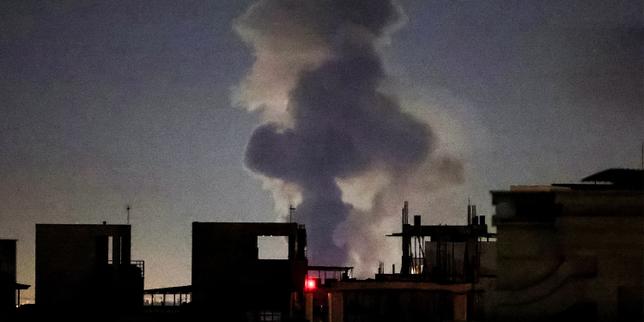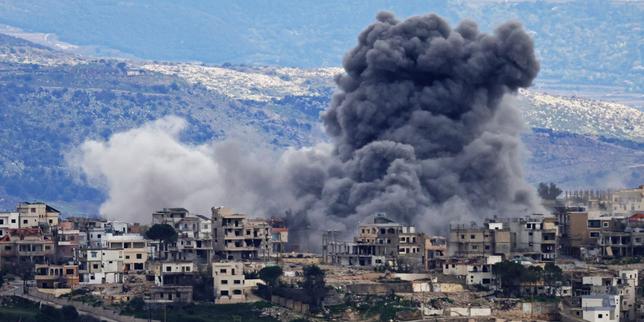
The explosion of the Russian-flagged Arctic Metagaz on March 3, 2026, was not merely a maritime accident or a localized skirmish. It was a surgical strike against the financial arteries of the Kremlin, executed 2,000 kilometers from the front lines in Donbas. When 61,000 tons of liquefied natural gas (LNG) descended into the depths between Libya and Malta, the war in Ukraine officially broke its geographic cage and spilled into the central Mediterranean.
Vladimir Putin’s immediate denunciation of the incident as "international terrorism" and "maritime piracy" confirms a shift in the conflict's gravity. For years, the Black Sea was the primary theater for naval attrition. Now, the hunt for Russia's shadow fleet—the aging, under-insured vessels used to bypass Western sanctions—has migrated to the vital shipping lanes of the West. This is no longer just about territory; it is about the total interruption of Russian energy exports at the source of transit. For a different view, consider: this related article.
The Sirte Incident and the Reach of the Sea Baby
The logistics of the attack defy traditional naval expectations. According to the Libyan Maritime Authority, the Arctic Metagaz suffered "sudden explosions" followed by a catastrophic fire while positioned roughly 130 nautical miles north of Sirte. The vessel, which had departed from the Arctic port of Murmansk, was reportedly bound for Port Said.
The Russian Transport Ministry alleges that the strike was carried out by Ukrainian naval drones launched directly from the Libyan coast. If true, this implies a sophisticated clandestine operation on North African soil. Ukraine’s Sea Baby drones, which were upgraded in late 2025 to carry 2,000-kilogram warheads with a 1,500-kilometer range, are the primary suspects. These are not toys. They are low-profile, GPS-guided torpedoes that can loiter in open water before identifying the heat signature of a massive LNG carrier. Further reporting on this matter has been shared by NPR.
A 277-meter tanker filled with LNG is effectively a floating bomb. The structural integrity of these vessels relies on complex cryogenic cooling. A breach in the hull doesn't just cause a leak; it causes a rapid phase transition. The resulting thermal radiation from an LNG fire is intense enough to melt steel at significant distances, which explains why the vessel was "completely sunk" within hours.
Why the Mediterranean is the New Front
The choice of location—the waters between Libya and Malta—is strategic. This region is the crossroads of global energy. By striking here, the attackers have signaled that no "neutral" water is safe for the Russian shadow fleet.
- Sanction Circumvention: The Arctic Metagaz was under both US and EU sanctions. Its presence in the Mediterranean was a middle finger to the Western price cap.
- Infrastructure Vulnerability: Unlike oil, LNG requires specialized terminals. Disrupting a single tanker like the Metagaz disrupts the entire delivery schedule for the receiving port, creating a ripple effect in local energy prices.
- Deniability: While Moscow points the finger at Kyiv, the use of unmanned systems allows for a level of plausible deniability that keeps the conflict in a gray zone, frustrating formal diplomatic or military retaliation.
The rescue of the 30-man Russian crew by a passing cargo vessel heading to Benghazi prevents the incident from becoming a humanitarian flashpoint, but the environmental and economic damage is done. The wreckage now sits in a search-and-rescue zone under Libyan jurisdiction, a country already fractured by internal division and foreign interference.
The Libyan Connection and the Logistics of Sabotage
The assertion that these drones were launched from the Libyan coast raises uncomfortable questions for the international community. Libya has long been a playground for Russian mercenaries from the Wagner Group (now rebranded under the Africa Corps) and various local militias. If Ukrainian operatives—or their proxies—are indeed operating out of Libyan territory to strike Russian assets, the Mediterranean has become a lawless frontier.
The technical execution of such an attack requires more than just a drone. It requires real-time satellite intelligence, a secure launch site, and a sophisticated command-and-link system. For a drone to hit a moving target 240 kilometers offshore, the "pilot" needs a high-bandwidth connection, likely provided by low-earth orbit satellite constellations that have become the backbone of modern irregular warfare.
The Economic Aftermath for the Global Gas Market
The loss of 61,000 tons of LNG is a drop in the bucket of global supply, but the insurance implications are staggering. No legitimate maritime insurer will touch a vessel carrying Russian cargo through the Mediterranean now. This forces Russia to rely even more heavily on its shadow fleet—vessels that are often poorly maintained and lack the sophisticated damage-control systems of modern carriers.
This creates a vicious cycle. As Russia uses more "black market" ships to move its gas, those ships become easier targets for drone strikes. As more ships are hit, the cost of transit increases, further eroding the profit margins that fund the war effort in Ukraine.
The "terrorist" label used by Putin is a calculated attempt to frame Ukraine as a rogue actor, but it ignores the reality of 2026. Ukraine is no longer fighting a defensive war within its own borders. It is engaged in a global campaign of economic sabotage.
A Precedent for Future Conflict
The sinking of the Arctic Metagaz is a template for the future of maritime conflict. You don't need a billion-dollar destroyer to control the seas. You need a $250,000 drone and the audacity to use it in international waters.
The Mediterranean is no longer a safe corridor for the Kremlin’s energy exports. The "iron curtain" that Winston Churchill once described has moved from the land to the sea, and it is being built by autonomous drones and explosive-laden skiffs. The strategic depth that Russia once enjoyed by moving its trade to the southern routes has evaporated.
Would you like me to analyze the specific technical specifications of the Sea Baby drones used in these long-range missions?