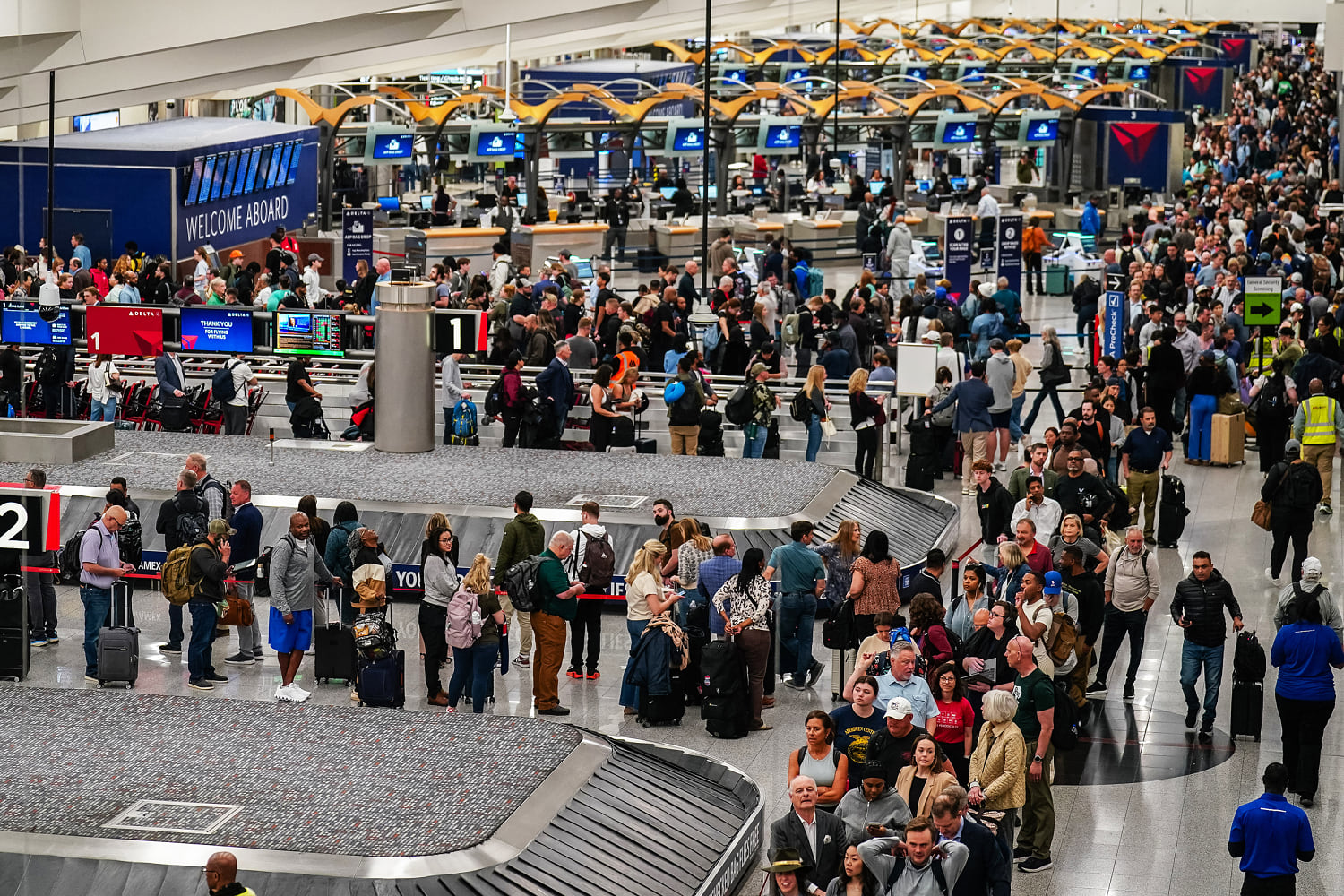
The television in the corner of the crowded airport lounge flickered with the image of a podium. It was the kind of moment where the world collectively holds its breath, waiting to see if the next sentence contains the spark for a global conflagration. When the words finally came—a backing off from the brink, a de-escalation of immediate kinetic strikes—a visible wave of relief washed over the travelers. Shoulders dropped. Phone calls were made. The "war" was over before the first major deployment.
But for those who live in the gray zones of modern geopolitics, the relief felt premature. They know that in the twenty-first century, the absence of falling missiles does not signify the presence of peace.
War has changed its shape. It no longer requires a formal declaration or a clear frontline. Instead, it has become a permanent, low-boil state of being—a series of "productive talks" held under the constant pressure of digital sabotage, proxy skirmishes, and economic strangulation. The missiles stayed in their silos, but the conflict merely migrated into the shadows of the everyday.
The Butcher, the Baker, the Coder
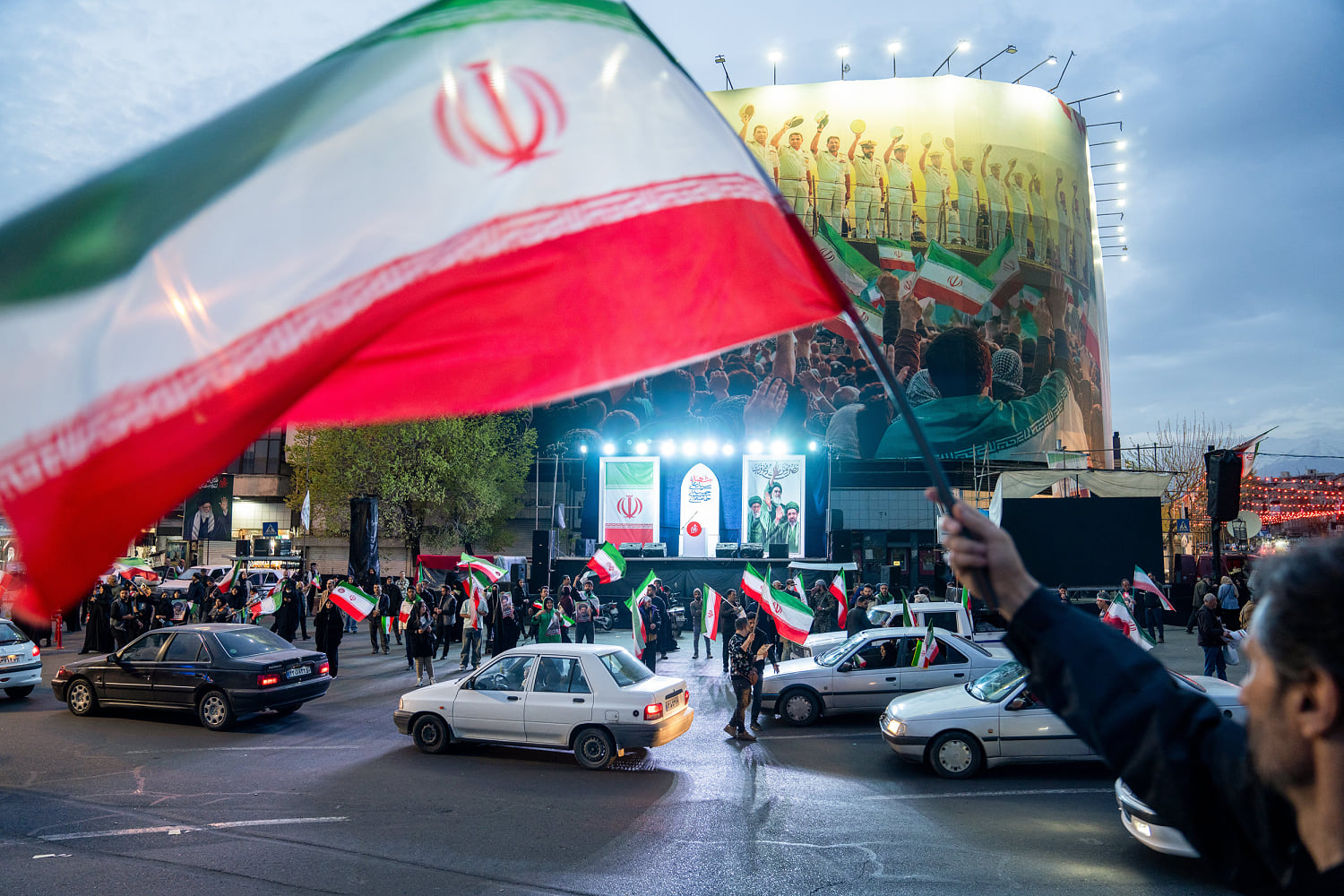
Consider a merchant in a bustling market in Tehran. To him, "de-escalation" is a word used by men in suits thousands of miles away. It doesn't lower the price of bread. It doesn't stop the sudden, inexplicable crash of the local banking system during a suspected cyberattack. His life is the collateral damage of a war that refuses to use its name. When the headlines proclaim a diplomatic breakthrough, he still watches the exchange rate with the frantic eyes of a man watching a house fire.
Now, look at the other side of the equation. A young intelligence analyst in a windowless room in Virginia watches a screen filled with scrolling green text. There are no medals for the "productive talks" he facilitates by identifying a shipment of drone components before they leave a port. He isn't pulling a trigger, but he is engaged in a daily struggle of attrition. He sees the maps. He sees the movement of "advisors" across borders. He knows that while the cameras focus on the White House or the United Nations, the real friction is happening in the deep, dark fiber-optic cables under the sea and the dusty backroads of the Middle East.
These two people—the merchant and the analyst—are the true faces of the modern "forever war." They represent the human element that gets lost when we talk about foreign policy as if it were a game of chess. In chess, the pieces don't feel hunger or exhaustion. In reality, the "productive" nature of these talks is bought with the nervous systems of millions.
The Illusion of the Big Bang
We are programmed to recognize war by its noise. We look for the "Big Bang"—the shock and awe, the televised explosions, the dramatic troop movements. Because we didn't see a massive escalation this week, we tell ourselves the crisis has passed.
This is a dangerous misunderstanding of how power is currently wielded.
The escalation didn't stop; it just became atmospheric. It’s like the difference between a lightning strike and a rising tide. You can run from the lightning. You can see it coming. But the tide is relentless, quiet, and eventually, it covers everything.
The "productive" talks mentioned in the news cycles are often less about finding a lasting peace and more about managing the rate of the rising water. Both sides have realized that a direct, full-scale military engagement is too costly, too unpredictable, and too ugly for the modern voter to stomach for long. So, they pivot. They fight through proxies. They fight through currency. They fight through "accidents" at industrial sites.
The Cost of Living in the Gray
When a nation exists in a state of permanent "near-war," the soul of that nation begins to fray. Trust evaporates. Every technical glitch becomes a suspected act of foreign aggression. Every dip in the economy is blamed on a hidden hand. This is the invisible stake of the conflict. It isn't just about territory or oil; it's about the psychological stability of entire populations.
Imagine a family trying to plan for a future when the "productive talks" could sour by breakfast. Do you start a business? Do you save for a home? The uncertainty acts as a tax on the spirit. It creates a generation of people who are perpetually braced for an impact that may never come in the form they expect.
The standard news reports focus on the "red lines" and the "diplomatic levers." They rarely mention the father who can't explain to his daughter why her internet is down for the third time this week, or the soldier who isn't "at war" but hasn't seen his family in six months because his unit is stationed in a "non-combat" zone that feels an awful lot like a trench.
The Language of Deception
The words we use to describe these events are designed to sanitize them. We use terms like "surgical strikes," "strategic patience," and "measured response." These phrases are bandages applied to a gaping wound in our collective security.
To say that a war "goes on" despite "productive talks" is a paradox that we have learned to accept as normalcy. We have become comfortable with a world where peace is just a slightly quieter version of conflict.
But talk to the people who are actually on the ground. Ask the humanitarian workers trying to navigate a landscape where the "rules of engagement" change every time a tweet is sent or a back-channel message is received. They will tell you that the stakes have never been higher. The complexity of these modern, multi-layered conflicts means that a single misunderstanding—a "productive" conversation gone wrong—can ripple through the global economy in seconds.
The Ghost in the Machine
We are currently witnessing a shift in the very nature of human disagreement. In the past, wars had a beginning and an end. There was a treaty, a handshake, and a period of reconstruction. Today, we are moving toward a model of "persistent engagement."
This is the war that doesn't go on "amid" talks; the talks are the war. The negotiations are a theater where each side tries to gain an inch of leverage, a bit of digital territory, or a slight edge in the court of public opinion.
It is a exhausting way to live.
The human brain isn't wired for a constant, low-level threat that never resolves. It craves a conclusion. We want to know who won and who lost. But in this invisible war, there are no winners, only survivors. There are only those who managed to keep their lights on for one more day and those who didn't.
The Quiet Room
Late at night, far from the cameras, the diplomats sit in quiet rooms. They drink lukewarm coffee and stare at maps that look nothing like the ones in our schoolbooks. Their maps are marked with pipelines, server farms, and shipping lanes. They negotiate over things the public will never hear about—the release of a specific prisoner, the lifting of a minor sanction on a specific grade of steel, the agreement to look the other way while a certain port is used.
This is the "productive" work. It is small, gritty, and deeply human. It is driven by fear as much as by ambition. The fear of what happens if the talking stops.
Because if the talking stops, the "invisible" war becomes visible again. And no one, no matter how much they posture on a podium, truly wants to see what that looks like in an age of hypersonic missiles and digital collapse.
The tragedy of the modern era is that we have become so good at managing the "gray zone" that we have forgotten what real peace feels like. We celebrate the absence of a mushroom cloud while ignoring the slow-motion erosion of the world around us.
We look at the screen, see that no new fires have been lit today, and we go back to our lives. We tell ourselves that the situation is "contained." We believe the headlines when they say the escalation has been avoided.
But out in the world, the merchant still counts his devalued coins. The analyst still stares at the scrolling green text. And the long, cold shadow of the war that never quite starts—and never quite ends—continues to stretch across the horizon, darkening the doorsteps of people who just want to know that tomorrow will be the same as today.
The silence isn't peace. It's just the sound of everyone holding their breath, waiting for the next "productive" day in a world that has forgotten how to exhale.
Would you like me to analyze how this narrative strategy compares to traditional journalistic reporting on the same event?