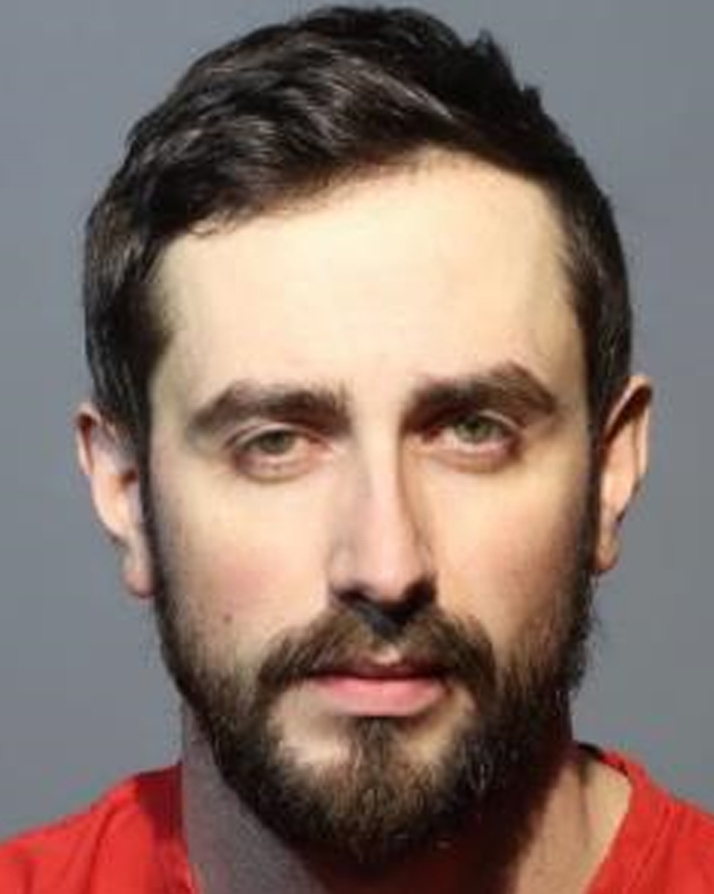
A 17-year prison sentence handed down in a Florida courtroom marks the end of a cross-border pursuit that exposed the limits of geography in the digital age. Mark Anthony Arishenkoff, a resident of Alberta, Canada, will spend nearly two decades in a United States federal prison for traveling with the intent to engage in illicit sexual conduct with a minor. This case does not just represent a single conviction. It serves as a stark profile of how international law enforcement agencies now coordinate to bridge the gap between Canadian suspects and American victims.
Arishenkoff’s trajectory from a quiet life in Western Canada to a high-security cell in Florida began with a series of online interactions that felt, to him, anonymous. They were anything but. Under the scrutiny of the FBI and local Florida authorities, his digital footprints became a roadmap for an arrest that occurred the moment he stepped onto U.S. soil.
The Mechanics of a Borderless Trap
The investigation into Arishenkoff utilized a sophisticated multi-agency approach. It wasn’t a matter of luck. Law enforcement in Florida has spent years refining "sting" operations that specifically target individuals who believe that distance provides a safety net. In this instance, the communication originated in Canada, but the intended crime was rooted in the United States.
When a suspect crosses an international boundary to commit a felony, the legal machinery shifts gears. Federal prosecutors in the U.S. have a specific set of tools for "travel with intent" cases. These statutes are designed to intercept predators before the physical act occurs. The 17-year sentence reflects the severity with which the American justice system views these incursions. It is a duration rarely seen in similar Canadian proceedings, where sentencing guidelines often lean toward shorter periods of incarceration for comparable offenses.
The Disparity in Sentencing
One of the most significant factors in this case is the location of the arrest. Had Arishenkoff been prosecuted within the Canadian judicial system, his legal team might have argued for a significantly reduced sentence based on different rehabilitation frameworks. Florida, however, remains one of the most aggressive jurisdictions for these types of crimes.
The U.S. federal system operates under a different set of pressures. There is no parole in the federal system. Seventeen years means seventeen years, minus a small percentage for good behavior. This reality creates a massive deterrent for those operating from abroad, though many, like Arishenkoff, fail to realize the stakes until the handcuffs are on.
Logistics of the Florida Arrest
The arrest itself was the culmination of a high-stakes game of chicken. Investigators allowed Arishenkoff to proceed through the travel process—booking flights, passing through airport security, and arriving at a predetermined location. This ensures that the "intent" portion of the charge is undeniable. By the time he reached the meeting point, his commitment to the crime was documented through physical presence, not just text on a screen.
This method is fraught with risk. It requires absolute synchronization between Homeland Security, the FBI, and local police. If the suspect is tipped off, the operation collapses. In this case, the silence was maintained perfectly. Arishenkoff moved from the Calgary area to the humid heat of Florida, unaware that his every move was being logged by a surveillance team.
Digital Evidence and the False Sense of Security
Many offenders believe that using encrypted apps or deleting browser histories offers protection. This is a myth that continues to fuel the hubris of digital predators. Law enforcement agencies now employ specialists who can reconstruct deleted data or monitor traffic in real-time.
In the Arishenkoff investigation, the digital trail was the primary weapon. The transcripts of his conversations provided the context for his travel. They established a clear pattern of behavior that left no room for the "misunderstanding" defense often used in these trials. When the evidence is this granular, defendants often choose to plead guilty rather than face a trial where their own words are read back to a jury.
The Impact on Cross-Border Cooperation
This conviction reinforces a growing trend of cooperation between the Royal Canadian Mounted Police (RCMP) and the FBI. In the past, jurisdictional disputes or paperwork backlogs might have allowed a suspect to slip through the cracks. Today, the exchange of information is nearly instantaneous.
The Alberta-Florida connection highlights a specific vulnerability. Canadian citizens often feel a sense of kinship and ease when traveling to the U.S., which can lead to a dangerous lack of caution for those with criminal intent. They forget that they are entering a sovereign nation with a vastly different—and often more punitive—legal culture.
A Warning to the North
The Arishenkoff case is being watched closely by legal analysts in Canada. It serves as a reminder that the internet has effectively deleted the 49th parallel for criminal investigations. For the families involved and the communities in Alberta, the shock of the 17-year sentence is tempered by the realization that justice was served through a system that does not prioritize the comfort of the accused.
The cost of this investigation was high, involving hundreds of man-hours and thousands of dollars in travel and surveillance expenses. However, the American Department of Justice views this as a necessary expenditure. By taking a high-profile offender off the streets for nearly two decades, they send a message to others who might consider a similar journey.
The Long Road to Reentry
When Arishenkoff eventually finishes his sentence, he will be a much older man. He will likely face immediate deportation back to Canada, where he will be subject to further monitoring and a lifetime on the sex offender registry. The life he knew in Alberta is gone.
The 17-year term is a lifetime in the world of criminal justice. It covers the span of a child’s entire upbringing. This was a deliberate choice by the judge. It was meant to be a permanent solution to a recurring threat. The finality of the sentence underscores the total collapse of the digital shield that Arishenkoff thought would protect him.
Ask yourself if you need a detailed breakdown of the specific Florida statutes used to secure this 17-year term.