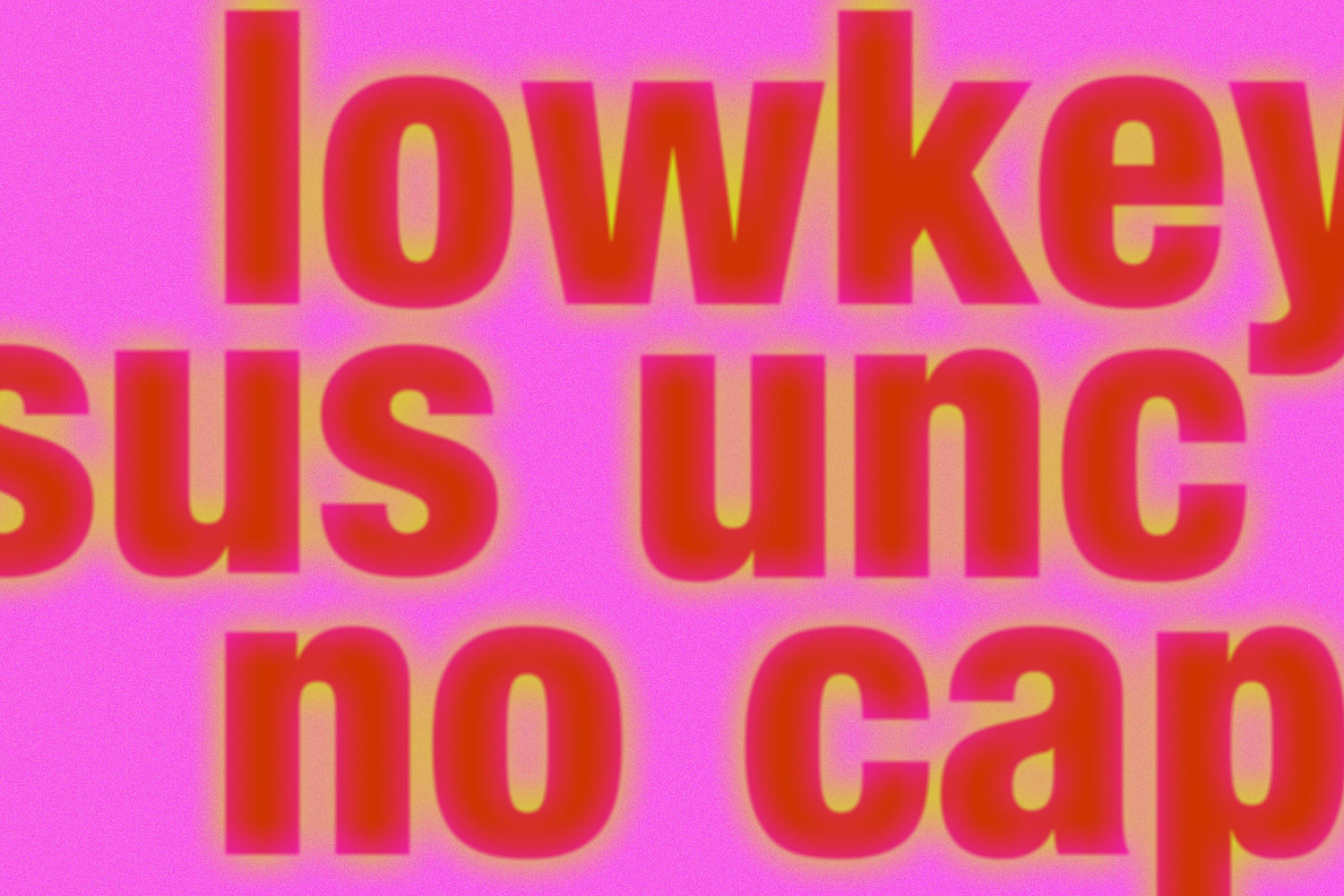
Culture isn't a museum. It’s a marketplace.
The current obsession with labeling Gen Z slang as either "appreciation" or "appropriation" is a shallow intellectual dead end. It treats language like a finite resource that can be stolen or hoarded. Most "insider" pieces on this topic play it safe. They tell you to check your privilege before saying "slay" or "no cap." They argue that the internet is stripping African American Vernacular English (AAVE) of its soul.
They are wrong. They are missing the mechanics of how the digital age actually functions.
Language is moving at the speed of light because of the platform, not just the people. We aren't seeing a theft; we are seeing the total collapse of regional and ethnic silos. If you think a white teenager in suburban Ohio using "finna" is the end of civilization, you don't understand how the human brain processes mimicry in the era of the TikTok algorithm.
The Algorithm Doesn't Have a Race
We need to stop pretending that cultural exchange happens through a series of conscious, moral choices. It doesn't. It happens through the Feed.
When a soundbite goes viral, it becomes a tool. A linguistic utility. To the user, that word isn't a historical artifact of Black resistance or Southern identity. It’s a functional unit of digital currency. The algorithm optimizes for engagement, and AAVE-derived slang happens to be the most efficient engagement vehicle ever created.
Critics call this "digital blackface." This is a lazy, reductive term that collapses the nuance of identity. Genuine digital blackface—using an avatar to deceive or mock—is a real, documented phenomenon. But using a phrase that has permeated every corner of the global internet isn't a performance of race; it’s a performance of belonging to the internet itself.
The internet has its own dialect. That dialect is built on the bones of AAVE because Black creators are, and have always been, the vanguard of cool. You cannot consume the culture’s output 24/7 and expect the language to remain a walled garden.
The Myth of Cultural Ownership
The "appropriation" argument rests on a shaky foundation: the idea that a group can own a word.
Sociolinguist William Labov spent decades proving that AAVE is a complex, rule-governed system, not "broken English." His work was vital for establishing respect for the dialect. However, the modern attempt to retroactively apply intellectual property rights to these rules is a doomed project.
Language is a virus. It spreads through contact. In the 1920s, that contact happened in jazz clubs. In the 1990s, it happened via MTV. Today, it happens in 15-second intervals on a glass rectangle in your pocket.
The velocity of the internet has turned slang into a "disposable commodity." By the time a corporate brand uses a term in a tweet, that term is already dead to the people who invented it. This isn't a tragedy. It’s the natural lifecycle of prestige dialects.
Why We Should Stop Policing "Slang"
Attempting to gatekeep language creates a "Linguistic Uncanny Valley."
You've seen it. A person tries so hard to be "respectful" that their speech becomes stiff, artificial, and ultimately, exclusionary. They fear the "appropriator" label more than they value genuine connection. This creates a barrier to entry for cross-cultural communication.
If we want a truly integrated digital society, we have to accept that the "purity" of dialects is a fantasy.
- Logic Check: If you use a French loanword like "cliché" or "entrepreneur," are you appropriating French business culture?
- The Counter-Argument: "But those aren't marginalized groups."
- The Reality: Marginilization doesn't change the linguistic mechanics of mimicry. It changes the optics, but it doesn't change how a 14-year-old learns to speak from their favorite streamer.
The focus should be on credit and capital, not syllables.
The Real Crime: The Monetization Gap
I have seen companies spend $500,000 on "culture consultants" to tell them if they can use the word "bestie" in a marketing campaign. This is a massive waste of resources.
The problem isn't that the brand used the word. The problem is that the Black creator who popularized the trend the brand is chasing has 50,000 followers and no brand deals, while a white influencer doing the same dance has 5 million followers and a sneaker line.
That is the actual theft. It’s financial, not phonetic.
Focusing on "Who is allowed to say what?" is a distraction. It’s a low-stakes culture war that allows platforms and brands to avoid the much harder conversation about algorithmic bias and revenue distribution. We are arguing over the menu while the restaurant is robbing the chef.
The Death of Context is the Birth of the Global Dialect
People often ask: "Does AAVE lose its meaning when it goes mainstream?"
The honest, brutal answer? Yes. And that’s okay.
When a word moves from a specific subculture into the global lexicon, it undergoes "semantic bleaching." The original, heavy, nuanced meaning is stripped away, leaving a light, versatile shell.
Take the word "woke."
- Original Context: A specific warning within Black communities to be aware of systemic injustice.
- Mainstream Shift: A general term for social awareness.
- Weaponization: A political slur used by the right to describe anything they dislike.
This isn't a failure of the Black community to protect their language. It is the inevitable result of a word being too useful for its own survival.
The New Rules of Digital Engagement
If you want to navigate this without being a "cringe" bystander or a performative activist, you need a different set of rules.
- Stop Asking for Permission. Nobody can give you a "pass" to use a dialect that isn't yours. If you use it, own the fact that you are a participant in a global digital culture.
- Observe the "Prestige" Hierarchy. If you aren't from the culture, you will always be a late adopter. If you're okay with that, proceed. Just don't expect to be the one setting the trend.
- Fund the Source. If you’re a brand using "Gen Z slang" (read: AAVE) to sell protein powder, hire Black creative directors. Not as "consultants." As leads.
- Accept the Evolution. Slang is meant to change. It is meant to be misunderstood by the older generation. If you understand every word your teenager says, that slang has already failed its primary purpose: rebellion.
The Future is Hybrid
We are heading toward a "Global Internet English" that is 40% AAVE, 30% gaming lingo, 20% anime references, and 10% traditional grammar.
This isn't a loss of identity. It’s the creation of a new one. The kids aren't "appropriating" culture; they are living in the ruins of the old ones and building something faster, weirder, and more inclusive.
Stop mourning the "purity" of language. It never existed. The "lazy consensus" wants you to feel guilty for the way the world talks now. Reject the guilt. Look at the ledger instead.
If you're worried about the ethics of your vocabulary, you're looking at the wrong map. The words are free. The influence is earned. The money is stolen.
Fix the money. Leave the words alone.