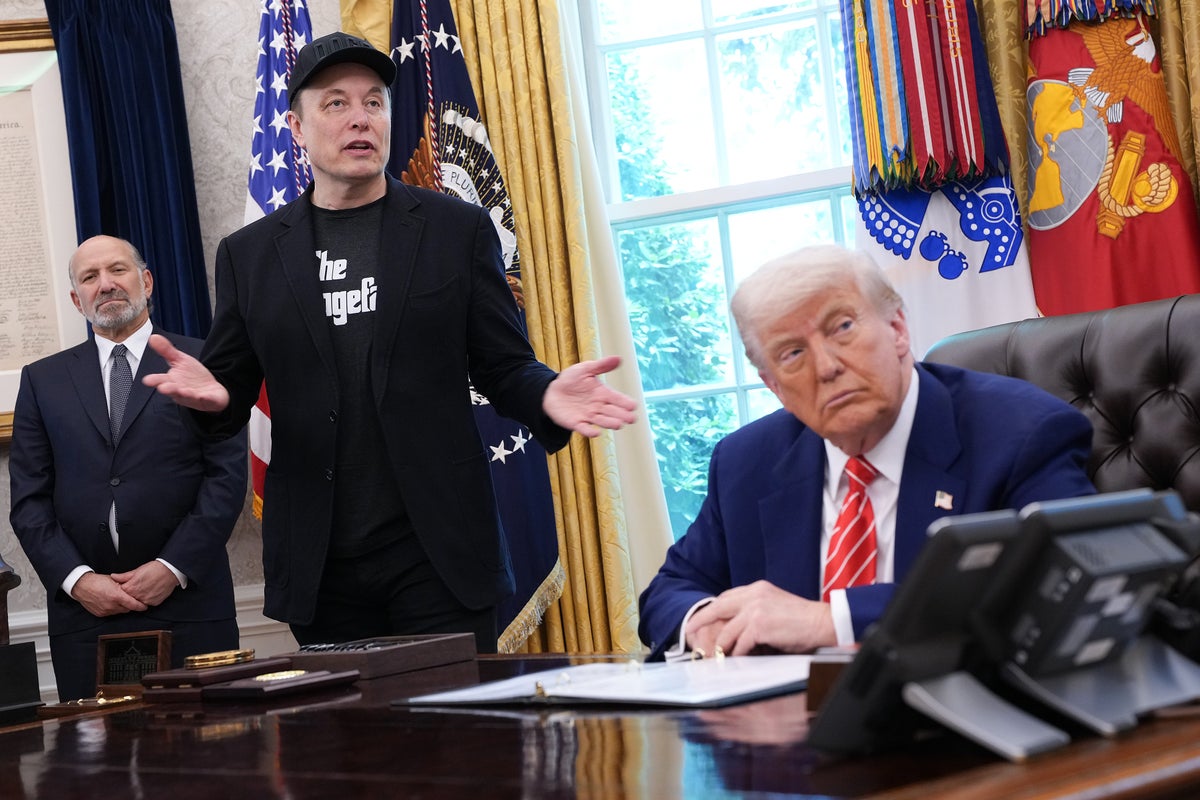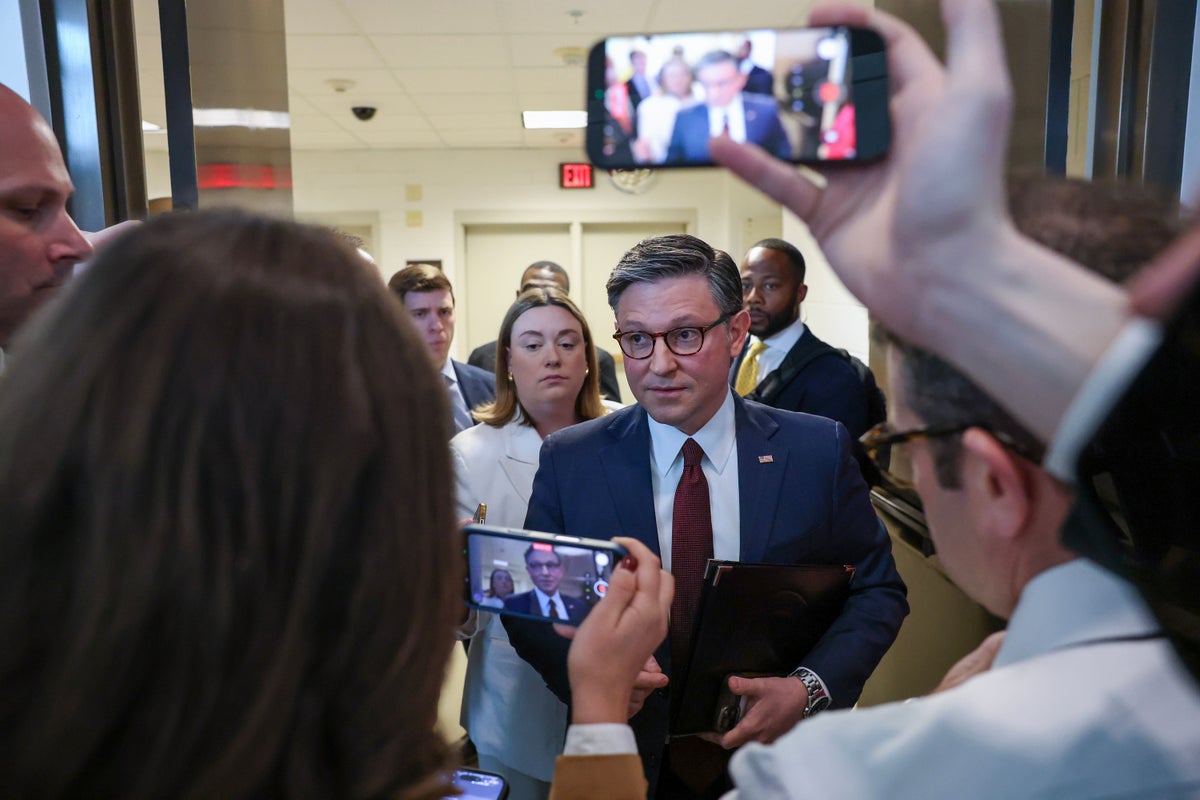
The political commentary surrounding the recent legislative friction between Speaker Mike Johnson and Senate Majority Leader John Thune is predictably shallow. Pundits are currently obsessed with the "chaos" narrative. They claim Johnson is "torpedoing" a solution to a national airport crisis. They whisper that Thune has lost his grip on the Senate.
They are wrong. Discover more on a related subject: this related article.
What the mainstream media labels as a "crisis" is actually a bloated, decades-long addiction to federal subsidies that have stifled real innovation in aviation infrastructure. By blocking this specific bill, Johnson isn't creating a bottleneck; he’s finally refusing to fund a broken model. The "airport crisis" isn't a lack of money. It’s a lack of market discipline.
The False Premise of the Federal Infrastructure Fix
Most people believe that if we just throw another $40 billion at the Federal Aviation Administration (FAA) or the Airport Improvement Program (AIP), the lines at TSA will shrink and flights will depart on schedule. This is a fundamental misunderstanding of how aviation economics works. Further analysis by BBC News delves into similar views on this issue.
The United States operates under a bizarre hybrid system. Airports are mostly owned by local governments but are tethered to federal strings. This "middle-man" architecture ensures that capital is allocated based on political pull rather than passenger demand. When a bill like the one Thune is pushing hits the floor, it’s packed with carve-outs for regional hubs that shouldn't exist in a rational market.
I have spent years analyzing the capital expenditure reports of Tier 1 and Tier 2 airports. The pattern is always the same: federal grants are used to build "monuments to mayors"—massive, gleaming terminals that look great in a ribbon-cutting photo but do absolutely nothing to increase runway throughput or reduce gate turn-around times.
Why the "Thune is Weak" Narrative Fails
The critics argue that because Leader Thune couldn't shepherd this through without a fight, the Senate is in disarray. This ignores the reality of modern legislative leverage. In a divided government, "control" doesn't mean forcing a consensus; it means knowing when to let a bad deal die.
Thune is operating within a chamber that is fundamentally allergic to fiscal restraint. Johnson’s intervention isn't an insult to Thune’s leadership. It is a necessary external check on a Senate that has become a rubber stamp for industry lobbyists. The aviation lobby—Airlines for America and the American Association of Airport Executives—has spent millions to convince the public that the sky will literally fall without this specific funding package.
Johnson is calling their bluff.
The Hidden Cost of "Solving" the Crisis
The bill in question relies on a continuation of the status quo: heavy taxation on passenger tickets redirected into a central fund, which is then redistributed with zero accountability for performance.
- Inefficiency is Rewarded: Airports that manage their budgets poorly receive more "emergency" funding.
- Stagnation: Because the FAA dictates the standards for almost every square inch of tarmac, private-sector innovations in de-icing, baggage handling, and autonomous ground traffic are delayed by years of bureaucratic vetting.
- Price Distortion: Federal subsidies mask the true cost of operating out of certain hubs, preventing low-cost carriers from truly competing on a level playing field.
If you want to see what a "solved" airport crisis looks like, stop looking at D.C. and look at the privatization models in Europe and South America. When Heathrow or Sydney Airport needs to expand, they don't beg a legislature; they go to the capital markets. They are held accountable by shareholders and passengers, not by a subcommittee chairman in a three-piece suit.
Dismantling the "Chaos" at the TSA
One of the most frequent "People Also Ask" queries is: Why are airport wait times getting longer if we are spending more on infrastructure?
The answer is simple: We aren't spending on the right things.
A massive chunk of the bill Johnson is blocking is earmarked for "sustainability initiatives" and "aesthetic upgrades." These are luxury goods. We are buying silk curtains for a house with a collapsing foundation. The bottleneck isn't the terminal's carbon footprint; it's the outdated radar systems and the rigid, union-protected staffing models of the TSA.
Imagine a scenario where an airport could opt-out of the federal system entirely. They would hire private security firms with performance-based contracts. If the line takes longer than 15 minutes, the firm loses money. Under the current bill, there is no such accountability. Johnson knows that signing off on this funding just guarantees another five years of the same miserable experience for the American traveler.
The Contrarian Path to Aviation Success
If we actually wanted to fix the airport crisis, we wouldn't be debating a multi-billion dollar spending bill. We would be debating the Airport Privatization Pilot Program and the repeal of the Anti-Head Tax Act.
We need to allow airports to behave like businesses. This means:
- Ending Federal Grant Dependency: Force airports to fund expansions through revenue bonds and private equity.
- Deregulating Ground Services: Let the market determine the best way to move bags and fuel planes.
- Abolishing the FAA’s Dual Role: The FAA should be a safety regulator, not a sugar daddy for airport construction.
The risk of this approach is obvious: some small, inefficient regional airports will close. That is a feature, not a bug. We are currently subsidizing empty flights to nowhere while our major international gateways crumble. Johnson is the only person in the room willing to admit that the "crisis" is actually a bloated system reaching its logical breaking point.
Stop Asking for More Funding
The most dangerous lie in Washington is that "infrastructure" is a synonymous term for "progress." It isn't. Infrastructure is a liability that requires constant maintenance and generates zero value if it isn't used efficiently.
When the media tells you that Mike Johnson is "undermining" the Senate, they are really saying he is interrupting the flow of easy money to the usual suspects. Thune’s inability to "control" the Senate is actually a sign that the old guard’s grip on the checkbook is slipping.
We don't need a bill to solve the airport crisis. We need the government to get out of the way and let the aviation industry face the reality of its own economics.
The next time you’re stuck on the tarmac for three hours, don't blame the guy who refused to sign the check. Blame the people who have been spending your tax dollars for forty years without ever fixing the underlying problem.
The bill is dead. Good riddance.
Would you like me to analyze the specific budgetary line items in the proposed FAA reauthorization to show exactly where the waste is hidden?