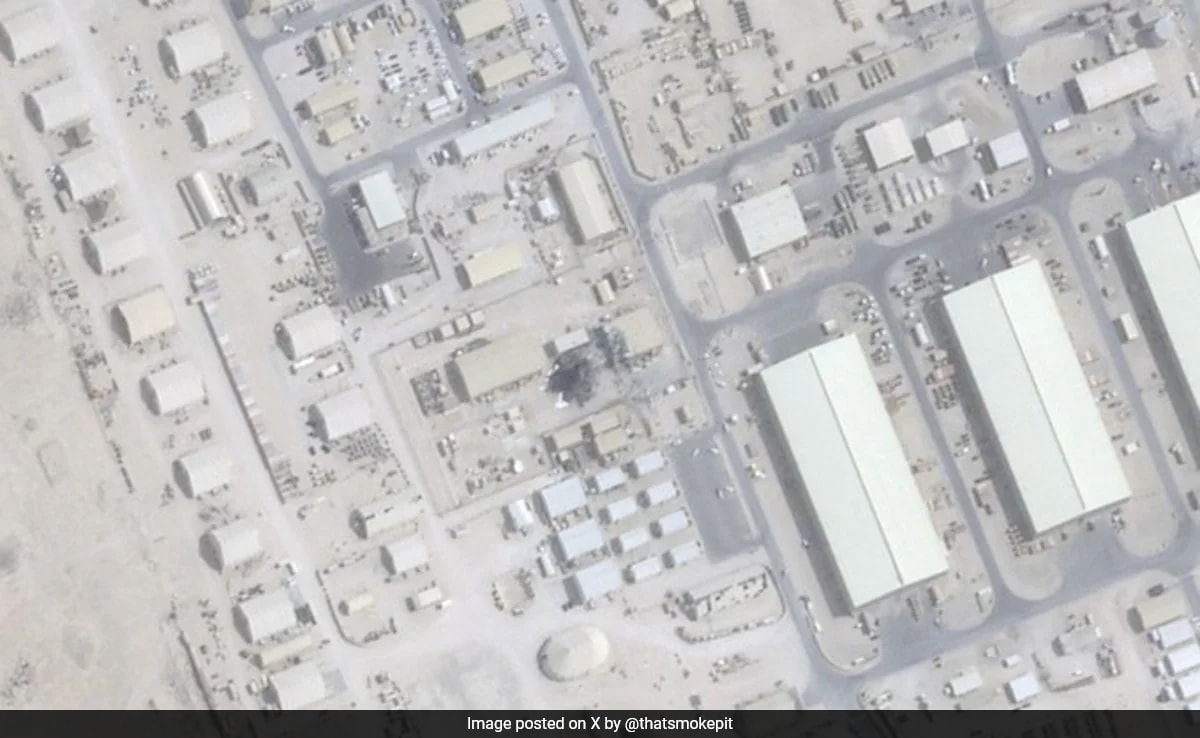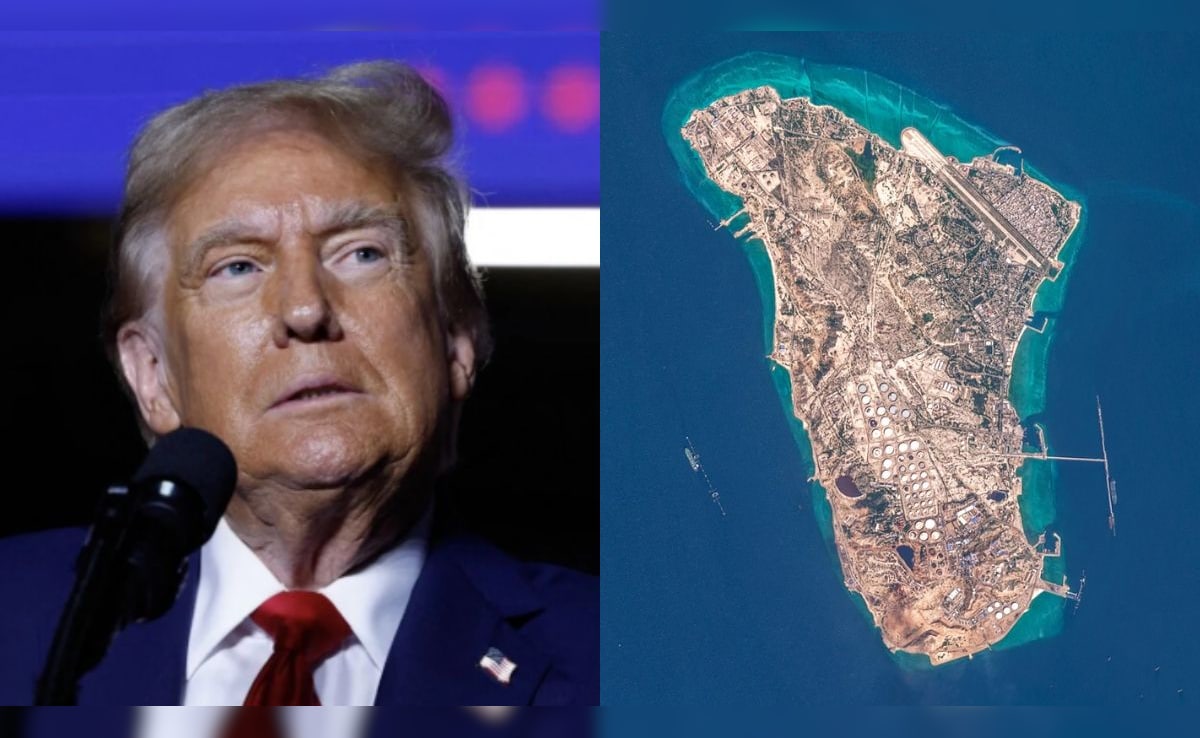
The tension around Kharg Island isn't just another headline about Middle Eastern posturing. It's a localized powder keg that could flatten the global economy in an afternoon. While most analysts focus on the Strait of Hormuz, the real center of gravity for Iranian survival—and the most tempting target for a ground offensive—is this T-shaped volcanic rock sitting 25 kilometers off the Iranian coast.
Iran is currently turning its Gulf islands into "impregnable fortresses." That’s the official line from the Islamic Revolutionary Guard Corps (IRGC). They aren't just moving crates around. They're digging in. If you look at the satellite imagery and recent naval exercises, it’s clear the leadership in Tehran expects a fight on the sand, not just in the air. Meanwhile, you can read other stories here: The Calculated Silence Behind the June Strikes on Iran.
Kharg handles roughly 90% of Iran's crude oil exports. If Kharg falls or gets knocked offline, the Iranian state loses its pulse. That’s why the talk of a US or allied ground offensive isn't just "chatter" anymore. It’s a strategic necessity for anyone looking to actually end a conflict with Iran rather than just trading missile salvos.
The Fortress Island Strategy
Iran’s approach to island warfare has shifted. In the past, they relied on "mosquito" tactics—fast boats swarming tankers. Now, they've moved toward "area denial" on the islands themselves. They're installing sophisticated surface-to-air missiles (SAMs) and long-range drones directly onto the Kharg plateau. To explore the complete picture, we recommend the recent article by NBC News.
The IRGC Navy (IRGCN) recently held massive drills specifically focused on defending these outcrops. They practiced "rapid insertion" of commandos and the use of underground "missile cities." These aren't metaphors. These are reinforced concrete bunkers carved into the rock, designed to survive the kind of bunker-busters the US Navy carries.
You have to understand the geography to see why this is a nightmare for an attacking force. Kharg is surrounded by deep water, making it accessible to large ships, but its coastline is a jagged mess of industrial infrastructure and rocky cliffs. An amphibious landing here wouldn't look like Normandy; it would look like an urban street fight on a giant oil pier.
Why a Ground Offensive is Back on the Table
For years, the consensus was that the US would never put boots on Iranian soil. It’s too big, too mountainous, too populated. But Kharg is different. It’s an island. It’s manageable.
If a conflict scales up, simply bombing Kharg doesn't work for the West. Why? Because a destroyed Kharg means millions of barrels of oil leaking into the Gulf, creating an environmental disaster that would shut down desalination plants in Kuwait, Qatar, and the UAE. You can't just blow it up. You have to take it. You have to control the valves.
Military planners are looking at "Limited Objective Warfare." The idea is to seize the energy hubs to force a surrender without having to march on Tehran. It’s a high-stakes gamble. Iran knows this, which is why they’ve moved their most ideologically committed IRGC units to the island garrisons. They aren't there to watch the horizon. They're there to die for the oil.
The Hardware Shifting the Balance
Iran's "island hopping" defense isn't just about men with AK-47s. They’ve integrated the Khordad-15 and the Bavar-373 missile systems into the island’s defense grid. These systems are meant to keep carrier-based jets at a distance.
- Anti-Ship Cruise Missiles: Hidden in coastal caves and mobile launchers.
- Loitering Munitions: Hundreds of "Shahed" style drones that can be launched from the island to hit ships or incoming landing craft.
- Subsurface Threats: Ghadir-class midget submarines that hide in the thermal layers of the shallow Gulf waters.
These tools make an approach incredibly costly. Even if an attacking force has total air superiority, the sheer volume of "cheap" Iranian tech can saturate defenses. It’s the math of modern war. A $100 million jet vs. a $20,000 drone.
Misconceptions About Iranian Naval Weakness
Don't fall for the trap of thinking the Iranian Navy is just a bunch of speedboats. While the regular Navy (Artesh) handles the big, aging frigates, the IRGC Navy is the one you should worry about. They specialize in asymmetric chaos.
People often think the US 5th Fleet could just "clear" the islands in a few days. That ignores the reality of modern "Active Defense." Iran has spent decades studying US operations in Iraq and Afghanistan. They know they can't win a ship-to-ship slugfest. Instead, they’ve turned Kharg into a giant "suicide vest." If they can't hold it, they’ll ensure nobody can use it for a decade.
The Economic Trigger
If the first boot hits the ground on Kharg, oil prices don't just go up. They teleport. Analysts at places like Goldman Sachs and various energy think tanks have modeled this. You're looking at an immediate jump to $150 or $200 a barrel.
The global shipping insurance market would effectively freeze. No tanker captain is going to sail into a zone where island-based batteries are trading fire with destroyers. This is why the "Ground Offensive" talk is so polarizing. It’s a move of absolute last resort, yet the preparations on the Iranian side suggest they think it’s inevitable.
Logistics of an Island Siege
If you're going to take Kharg, you have to cut it off. Iran knows this. They’ve built a network of supply tunnels and underwater cables to keep the island connected even under a total blockade.
They've also practiced "civilian shielding." Kharg isn't just a base; it’s a town. There are thousands of oil workers and their families living there. Any offensive has to deal with the optics of fighting through a civilian population while trying not to ignite the largest oil terminal in the region.
What Actually Happens Next
Keep an eye on the "Abu Musa" and "Tunb" islands. These are smaller, disputed islands that Iran also occupies. If you see Iran moving heavy armor or advanced electronic warfare suites to these smaller rocks, it’s a signal they're extending their defensive umbrella to protect the approaches to Kharg.
Watch the deployment of the "Shahid Mahdavi," Iran's massive "base ship." It’s basically a floating warehouse and drone carrier. If that ship starts loitering near Kharg, it means they're worried about their land-based runways being neutralized and are looking for a mobile backup.
The reality is that Kharg Island is no longer just a piece of infrastructure. It’s a fortress. Every day the rhetoric heats up, another layer of concrete is poured and another missile battery is hidden in the rocks. The "quiet" preparation for island warfare is the most significant military development in the region this year.
Stop looking at the big maps of the border. Start looking at the small rocks in the water. That’s where the next major conflict will be won or lost. Check the latest maritime risk notices and shipping lane diversions in the Persian Gulf to see how the market is already pricing in this risk. Look for changes in "war risk" insurance premiums—they’re usually a better indicator of reality than any politician’s speech.