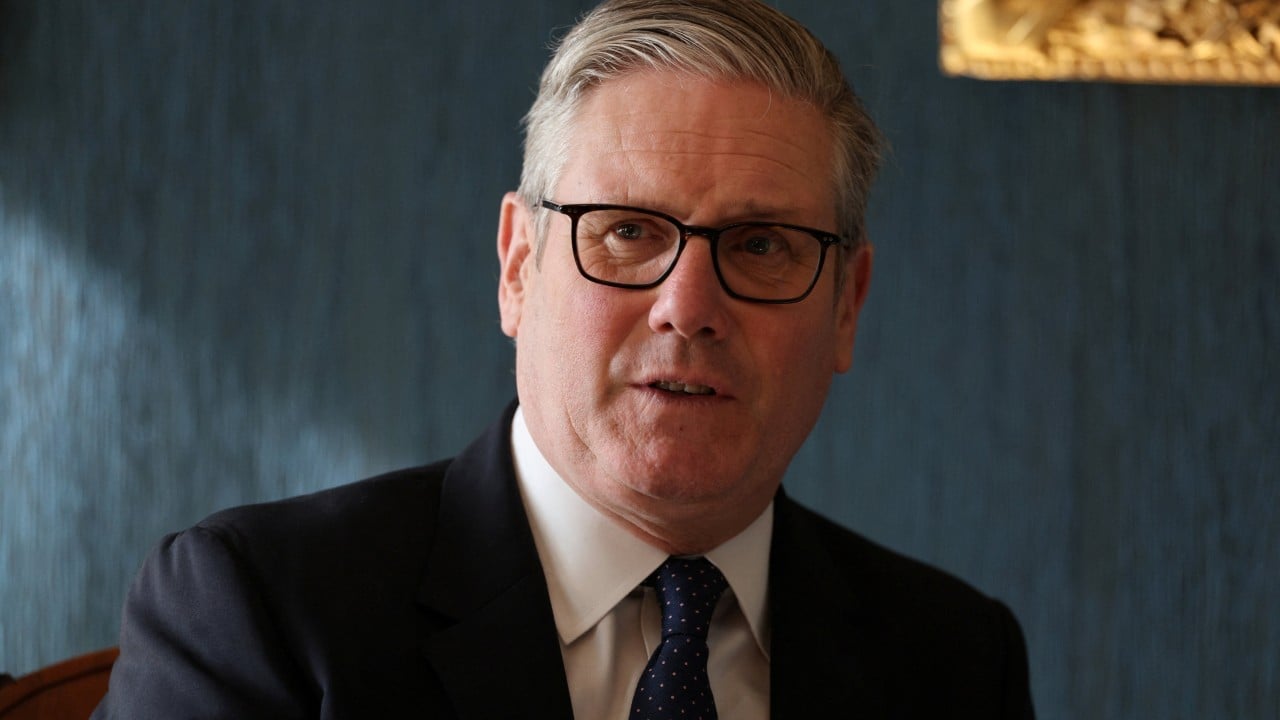
Keir Starmer isn't just calling a meeting because he likes the view from the Downing Street boardroom. On Monday, March 30, 2026, the Prime Minister is pulling together the heavy hitters of British industry—Shell, BP, Maersk, and Goldman Sachs—for a very specific reason. The Middle East isn't just "unstable" anymore. It's actively choking the UK economy, and the government is finally admitting it can't fix this alone.
You’ve likely seen the headlines about the Strait of Hormuz. Iran has effectively shut it down. That’s not some distant geopolitical trivia. It’s the reason your petrol costs 14p more per litre than it did last month. It’s why diesel is up nearly 20%. When 20% of the world’s oil consumption is stuck behind a maritime blockade, the "cost of living crisis" moves from a catchy slogan to a systemic threat. Starmer’s roundtable is a desperate attempt to coordinate a private-sector shield against a war that he insists the UK won't join, but is already paying for.
The Economic Shrapnel Hitting British Businesses
This isn't a standard policy briefing. The Commander of Maritime Operations is giving these CEOs a "maritime security picture" that looks increasingly grim. We’re talking about shipping giants like Maersk and CMA being forced to take the "long way" around the Cape of Good Hope. That adds 10 to 14 days to every journey. It’s a logistical nightmare that trickles down to everything from the price of a pint of milk to the availability of seasonal electronics.
The invite list tells the real story. You don't bring in Lloyd’s of London unless "war risk" insurance premiums are spiraling out of control. You don't summon HSBC and Goldman Sachs unless you’re worried about market volatility breaking the back of the UK’s fragile recovery. The government’s official line is de-escalation, but the presence of these firms suggests they’re actually preparing for the long haul.
Starmer Is Walking A Tightrope
The Prime Minister is in a bind. He’s under massive pressure from Washington to join direct strikes against Iran, yet he’s stubbornly refusing. He says he won't get "dragged into this war," but he’s already deploying fighter jets to Cyprus and Qatar. It’s a classic Starmer move: trying to project "calm, level-headed leadership" while the world feels like it’s catching fire.
The problem? The public is "worried sick," and they aren't just worried about missiles. They’re worried about 5% inflation. They’re worried about energy bills that were finally supposed to drop but are now staying stubbornly high. By hosting this roundtable, Starmer is trying to show he’s "pro-business" while simultaneously threatening those same businesses with "anti-profiteering" laws. It's a confusing message. One day the Treasury is asking for industry "resilience," the next they’re giving the Competition and Markets Authority (CMA) "further teeth" to bite companies for price gouging.
What This Actually Means For You
If you’re running a business or just trying to balance a household budget, Monday’s meeting is a signal that the "status quo" is gone. The government is bracing for a conflict that could last "for some time." Here’s the reality of what’s being discussed behind those closed doors:
- Supply Chain Gaps: We aren't looking at empty shelves yet, but "just-in-time" delivery is dead. Expect erratic stock levels for the next few months.
- Energy Security: The push for "home-grown clean energy" is being accelerated, but that doesn't help you pay your gas bill next week. The government is considering more targeted support for heating oil, but it's a sticking plaster on a gaping wound.
- The Profitability Crackdown: If you're a retailer or energy provider, the government is looking for a scapegoat. They’ve already announced an anti-profiteering framework. They want to make sure the "war" isn't used as an excuse to pad margins.
Starmer's popularity has taken a hit since he took office, and with local elections looming on May 7, he needs a win. But a roundtable in Downing Street isn't a win—it's a war room. He’s telling industry leaders to get their houses in order because the government’s ability to bail everyone out is "stretched."
Tactical Steps For Navigating The Disruption
Don't wait for the readout from Number 10 to tell you things are tough. If you're managing inventory, you need to be looking at 21-day delay buffers now. If you're an investor, the days of bank rate cuts being a "sure thing" are over. Andrew Bailey and the Bank of England are watching this conflict with one hand on the interest rate lever.
The most important thing to watch isn't the de-escalation rhetoric. It's whether the shipping routes through the Strait of Hormuz actually reopen. Until that happens, everything else is just talk. Keep an eye on the CMA’s new powers. If they start handing out fines, it’ll be a sign the government is losing its patience with the private sector’s "resilience" efforts.
Check your contracts for "Force Majeure" clauses and start diversifying your suppliers away from the Gulf if you haven't already. This isn't just a news cycle; it's a fundamental shift in how we’re going to have to do business in 2026.